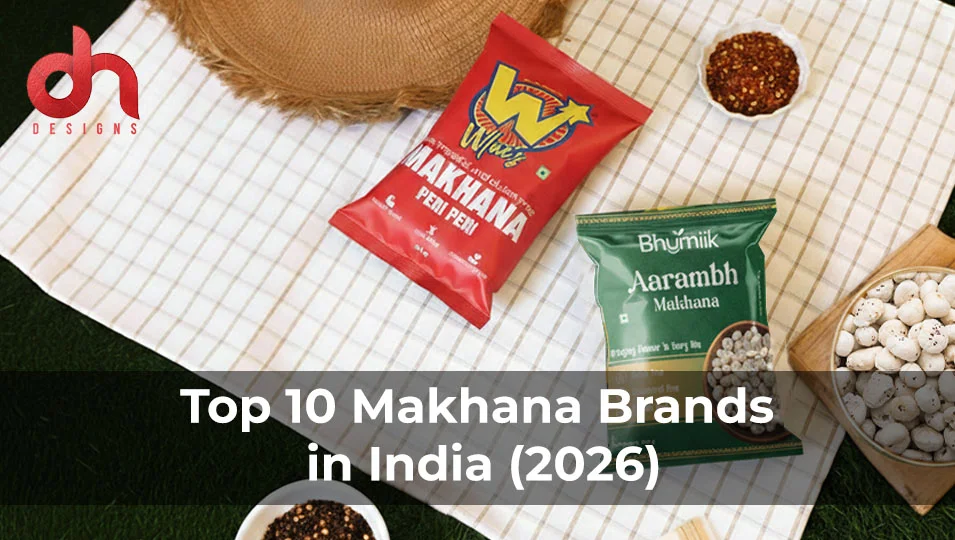
Best Makhana Brands in India at a Glance
| Brand | Known for | Range highlights | Best for |
|---|---|---|---|
| Farmley | Farm-sourced snacking | Desi flavours, reusable jars | Everyday clean snacking |
| Mr. Makhana | Playful flavour-led packs | Wide flavour list, sold abroad | Flavour variety |
| Too Yumm | "Guilt-free" snacking | Masala and global flavours | Bold, budget-friendly flavours |
| Tata Sampann | Trusted Tata name | Plain makhana | A household staple |
| Happilo | Nuts and dry fruits | Roasted, pouches and jars | Stocking up |
| Sattviko | Wellness and tradition | Herb-led savoury and sweet | Mindful snacking |
| MOM | Roasted, not fried | Chip-style flavours | Swapping out fried snacks |
| Pop Mak | Convenience | Resealable pouches, chaat and cheese | Family snacking |
| Chappan Bhog | Raw makhana grades | Gold and Platinum raw, roasted range | Cooking and fasting |
| Bhumiik* | Clean label | Handpicked, slow-roasted | Premium plain makhana |
*Bhumiik is a DN Designs client. Ranges change often, so check each brand's current listing before you buy.
How We Chose These Brands
We picked brands that are widely sold online, in quick commerce or in stores, and that each stand for something clear: a flavour range, a sourcing story, a format or a trusted name. As a branding and packaging agency, we also looked at how clearly each brand communicates on pack. The brands are numbered for easy reference, not ranked, and no brand paid to be included. Bhumiik is a DN Designs client, which we have marked wherever it appears. This guide is not nutrition or medical advice.
Top 10 Makhana Brands in India (2026)

Farmley
Farmley built its name on farm-sourced dry fruits, and its makhana follows the same route: sourced directly from farmers and seasoned with a desi accent. Flavours such as Tangy Tomato, Achaari Chatka and Minty Pudina sit alongside plain roasted options, and many variants come in reusable jars that keep the makhana crisp after opening.

Mr. Makhana
Founded in 2015 by Rishab Jain and headquartered in Delhi, Mr. Makhana is one of the brands that turned fox nuts into a flavour-led snack. Its playful packs carry names like Pudina Party, Piri Piri Paradise, Butter Tomato and Lime & Chilli, and the brand also sells in the Gulf, Canada, the US and the UK.

Too Yumm
Too Yumm is the snacks brand of Guiltfree Industries, part of the RP-Sanjiv Goenka Group, and fox nuts were one of its two launch products in 2017. The brand sells makhana on a "guilt-free snacking" promise, in bright, youthful packs with flavours such as Chatpata Masala, Tandoori and Spanish Tomato.

Tata Sampann
Tata Sampann is the everyday foods brand of Tata Consumer Products, best known for pulses and spices. Its makhana uses the same calm, trust-led packaging, which makes it an easy pick for households that buy plain makhana for snacking, fasting or cooking and want a familiar name on the pack.
Happilo
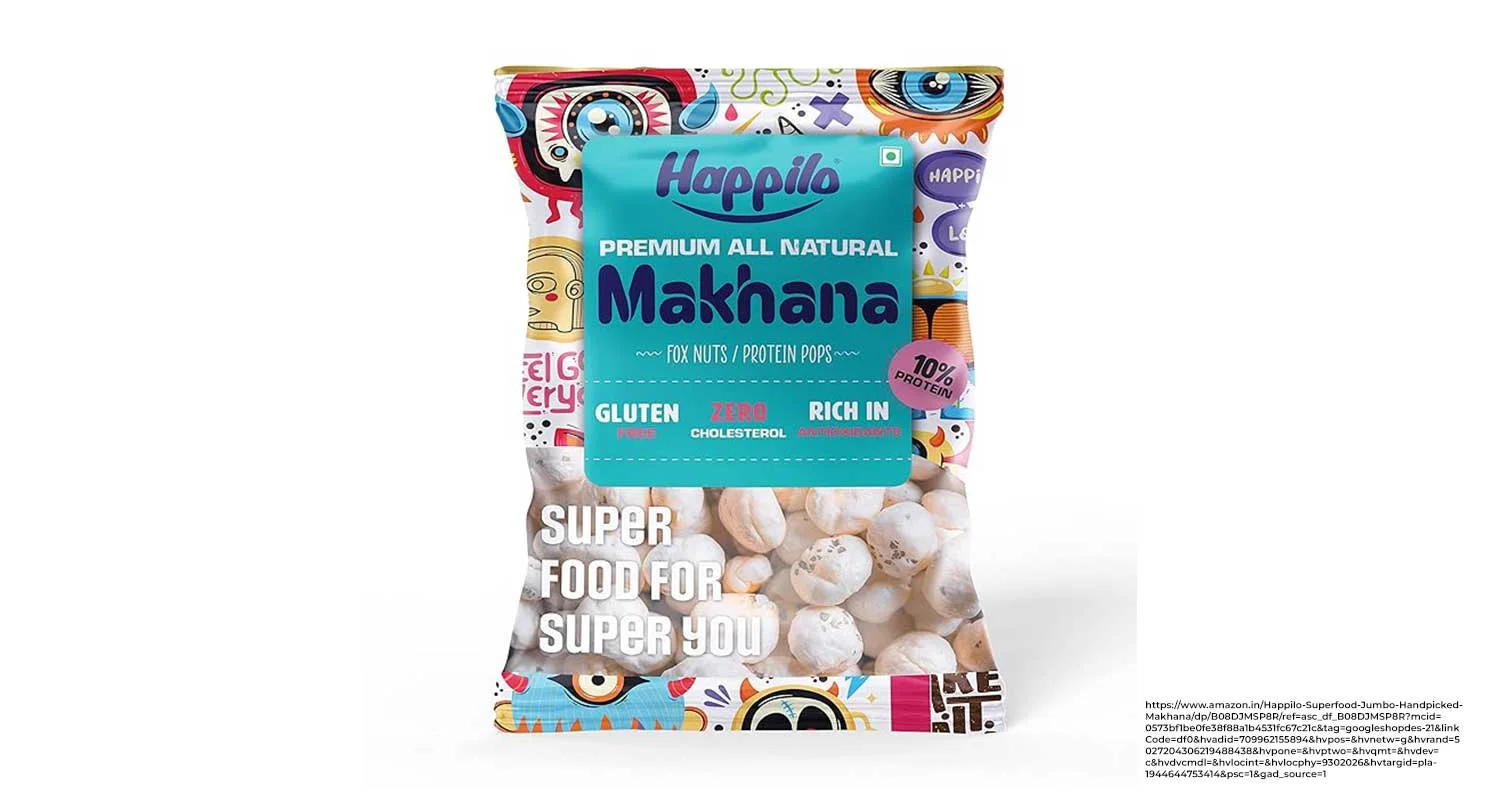
Happilo is known for nuts and dry fruits, and its roasted makhana sits beside them as a lighter snack. Flavours include Cream & Onion, Perky Pudina and Himalayan Salt & Pepper, and depending on the variant the makhana comes in a resealable pouch or a jar for the kitchen shelf.

Sattviko
Sattviko takes a wellness-first route, with makhana that leans on traditional Indian ingredients. Its savoury range includes Peri-Peri, Mint and Sweet Chilli, while Gur, Caramel and Cinnamon cover the sweet side, and some recipes list herbs such as turmeric, ashwagandha and tulsi.

MOM (Meal of the Moment)
MOM, from Alimento Agro Foods, sells roasted, not fried, makhana for busy urban snackers. Its flavours read like a bag of chips, Roasted Cheddar Cheese, Himalayan Salt N Pepper, Cream & Onion and Peri Peri, which makes it an easy swap for people moving away from fried snacks.

Pop Mak
Pop Mak keeps things simple: resealable pouches, clear flavour labels and an all-ages appeal. Its flavour list mixes global and street-food tastes, including Spanish Tomato, Heavenly Cheese, Mumbai Chaat, Pink Salt with Desi Ghee and Coriander Delight.

Chappan Bhog
Chappan Bhog is a go-to name for raw makhana. It sells graded raw makhana, with Gold and Platinum packs labelled by suta size, alongside a roasted range in flavours such as Salt & Pepper, Pudina, Peri-Peri and Tomato & Chilli.

Bhumiik
Bhumiik positions itself as a clean, honest snacking brand with Indian roots. Its range, Aarambh, Phool and Pavitram, is handpicked and slow-roasted, with natural flavours and heritage-led packaging. Disclosure: Bhumiik is a DN Designs client.
Makhana Variants: By Type, Form and Taste
Every brand above sells some mix of the same makhana variants. Knowing them makes any pack easier to read: the type tells you how it was processed, the form tells you how it is used, and the taste tells you what it is seasoned with.
By Type

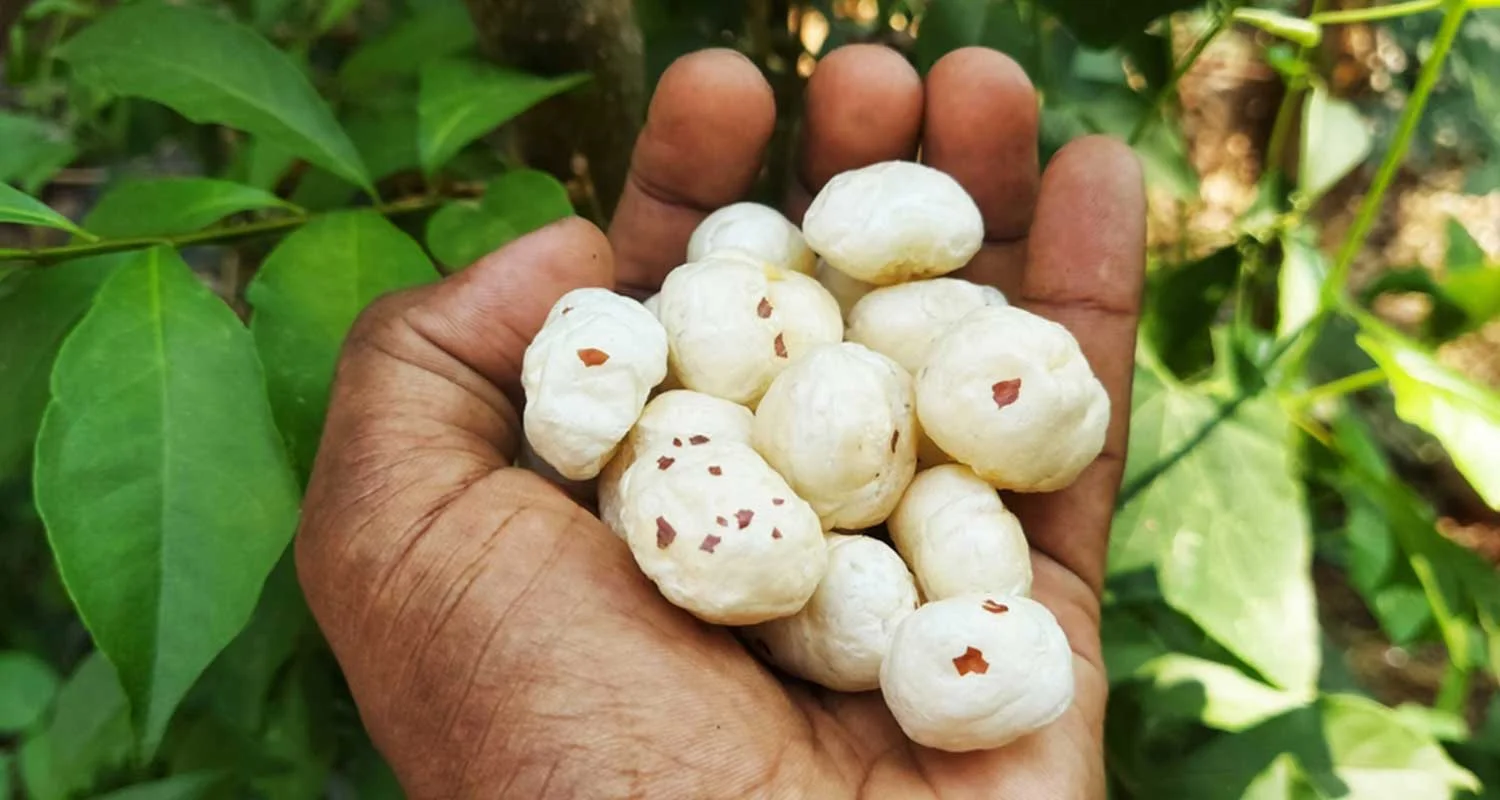
Raw Makhana
Popped, cleaned and graded, but not roasted or seasoned. Raw makhana is what you cook with: kheer, curries, fasting recipes or roasting at home.

Roasted Makhana
Dry-roasted or roasted in a little oil or ghee, with only salt or nothing added. It is ready to eat and the closest packaged option to plain makhana.

Flavoured Makhana
Roasted makhana coated in seasoning. This is the format most new brands launch with, because flavour is where they can stand apart.
Organic Makhana
Makhana from certified organic farming. Look for an organic certification on the pack rather than the word "natural", which is not the same thing.
By Form

Whole Makhana
The full popped seed, the form most people know. It is used for snacking, roasting at home and cooking.

Broken Makhana
Smaller, cheaper pieces that break off during processing. They work well in sweets, kheer and namkeen mixes.

Makhana Powder
Ground makhana used in baby food, flour blends, porridges and protein mixes.

Ready-to-Eat Packs
Roasted or flavoured makhana in single-serve pouches, family packs and jars. This is where most brands compete.
By Taste

Salted and Salt & Pepper
The safest starting point. A light coat of salt, often Himalayan pink salt with cracked pepper, keeps the nutty taste of makhana front and centre.

Masala and Desi Flavours
Chatpata masala, tandoori, achaari and chaat flavours are where Indian brands shine. They suit tea-time cravings and travel well.

Cheese and Cream & Onion
Familiar chip-aisle flavours that make makhana an easy swap for children and first-time buyers.

Peri-Peri and Spicy
One of the most common flavoured makhana options. Expect a tangy chilli kick and plenty of seasoning on each pop.

Sweet: Caramel, Gur and Chocolate
A dessert-style snack. Gur (jaggery) and caramel coatings are the usual picks, and some brands also make chocolate-covered makhana.
What Do Makhana Grades (Suta) Mean?
Raw makhana is sorted by size, and sellers describe that size in "suta". The higher the suta number, the bigger the popped seed. Larger, whiter seeds such as 5 and 6 suta sell at a premium and are the ones you will see on pack names like Chappan Bhog's Gold and Platinum. Smaller grades are fine for cooking, where size matters less.
04 · Flavoured MakhanaBest Flavoured Makhana Brands in India
For the widest choice of flavoured makhana, start with Mr. Makhana, Too Yumm and Farmley. MOM and Pop Mak are strong on cheese and salted flavours, Sattviko leads on sweet options such as gur and caramel, and Chappan Bhog covers classic roasted flavours alongside its raw range.
| Flavour | Brands to try | Pick it if you like |
|---|---|---|
| Salted, salt & pepper | Happilo, MOM, Chappan Bhog, Pop Mak | A light, nutty snack |
| Masala and desi | Too Yumm, Farmley, Pop Mak | Chatpata, tandoori or achaari flavours |
| Cheese, cream & onion | MOM, Pop Mak, Mr. Makhana, Happilo | Chip-style flavours |
| Peri-peri and spicy | Mr. Makhana, Sattviko, MOM, Chappan Bhog | A tangy chilli kick |
| Pudina and mint | Mr. Makhana, Happilo, Farmley, Chappan Bhog | Something cool and tangy |
| Sweet | Sattviko, Mr. Makhana | Gur, caramel or chocolate |
Flavours as listed by each brand; ranges change, so check the current listing.
05 · Market OverviewWhy So Many Makhana Brands Are Launching in India

The short answer is demand. According to the Government of India's makhana sector factsheet (PIB, August 2026), India's domestic makhana market grew by 17 to 18% a year between 2021-22 and 2024-25 and is expected to reach ₹11,000 to 12,000 crore by 2029-30. Production is estimated at 80,590 tonnes for 2025-26.
Supply is concentrated in one state. The same factsheet says Bihar grows about three-fourths of India's makhana, and "Mithila Makhana" from the state's Mithila region carries a GI (Geographical Indication) tag. The government also set up a National Makhana Board in Bihar in September 2025 to support farmers, processing and exports.
For brands, this means two things. The category is large enough for many players, and the raw product is much the same for everyone. What separates one makhana brand from another is flavour, format, origin story and, above all, how clearly the pack communicates them.
06 · Buying GuideHow to Choose a Good Makhana Brand
Choose by how you will eat it: raw makhana for cooking, plain roasted for light everyday snacking and flavoured for taste. Then read the label. Check whether it is roasted or fried, what oil and seasoning it uses, the pack size and how fresh it is.
- Match the type to the occasion: raw for kheer, curries and fasting recipes; roasted or flavoured for snacking.
- Check how it is cooked: "Roasted, not fried" packs suit lighter snacking.
- Read the ingredient list: look at the oil, salt, sugar and seasoning, especially on flavoured packs.
- Look at the date: makhana goes soft once it absorbs moisture, so fresher is better.
- Pick the right pack: resealable pouches and jars keep makhana crisp after opening.
- Check the label basics: under FSSAI's labelling rules, packaged food must show its ingredients, nutrition information, date marking and the FSSAI licence number.
- Note the origin: many brands name Bihar or Mithila on the pack, which tells you where the makhana was grown.
What the Top Makhana Snacks Brands Get Right
Look across the list above and a few patterns repeat. These are the choices that help makhana snacks brands in India get picked from a crowded shelf or a small app thumbnail.
A Clear Personality
Mr. Makhana and Too Yumm sound fun before you even taste them. A name and tone of voice that fit the audience do half the selling.
Flavours You Can Spot
Strong colour coding per flavour lets shoppers find their favourite in seconds and makes a range look complete on shelf.
An Origin Worth Telling
Farm sourcing, Bihar and Mithila give makhana a real story. Brands that show it on pack earn trust and justify a premium.
A Format for Each Moment
Single-serve pouches for desks and bags, jars for the kitchen and gift boxes for festivals widen when and where a brand gets bought.
If you are planning a launch, our guide to makhana brand design and marketing goes deeper into positioning and pack strategy.
08 · Case StudiesMakhana Brands We Have Designed

Wlue's case study
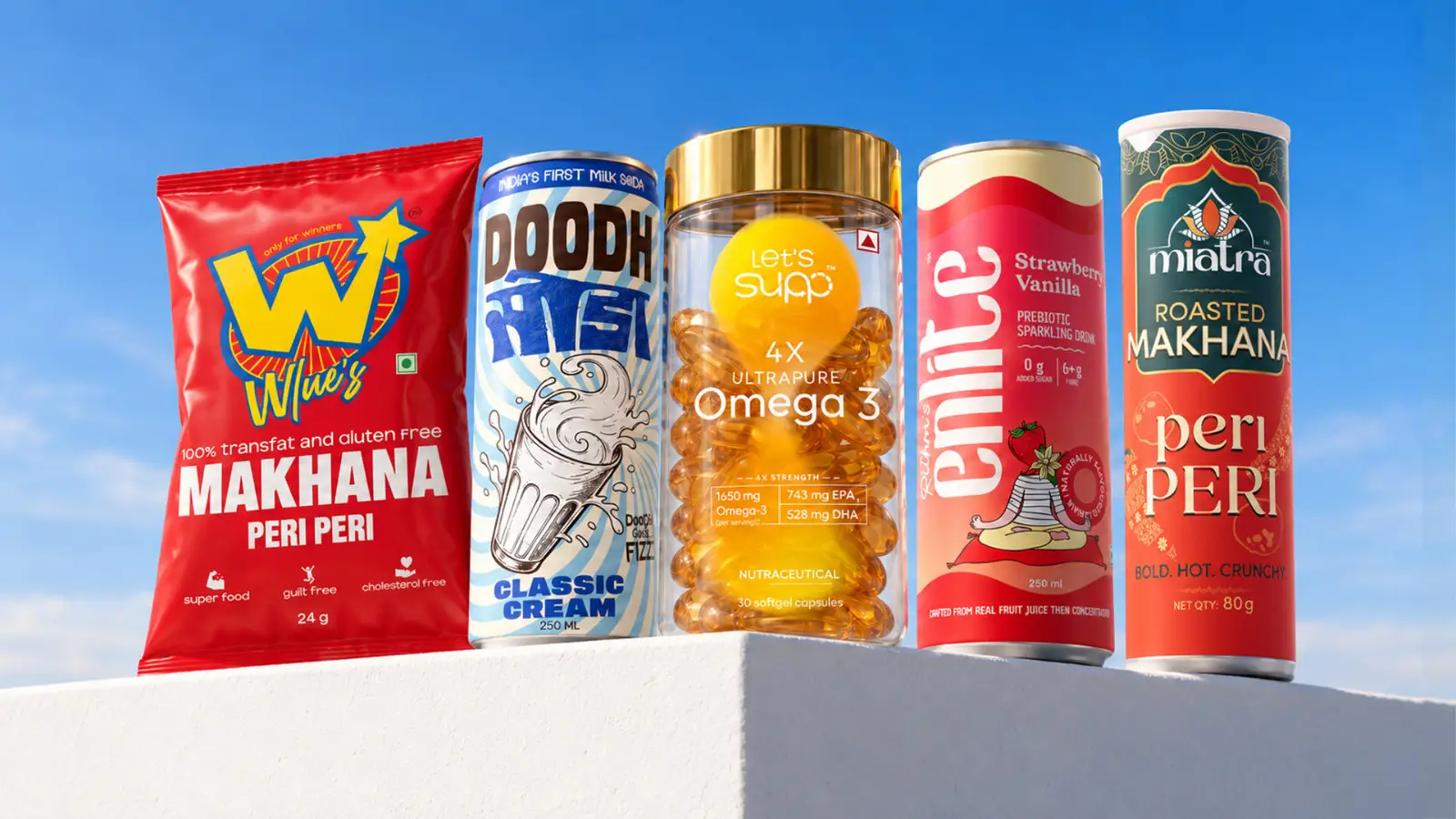
A flavoured makhana brand for Gen Z in India and abroad. We gave Wlue's a playful identity with a retro superhero feel and a star in the logo, so peri peri, cream & onion and cheesy jalapeño packs feel like an everyday munch, not just a health snack.

Bhumiik
A premium makhana brand rooted in heritage. We created the identity, company profile and packaging for three raw makhana variants, then designed and built a website that carries the same traditional, authentic feel.

Deep Root
A premium, modern makhana brand for India, Europe and Dubai. Its logo reflects nature, purity and the brand's "rooted in tradition and culture" ethos, carried through the website and product photography for e-commerce.

Rosnax
A traditional makhana brand from Bihar, by Krishna Foods. Lotus motifs, heritage structures, the state map and a village scene on pack tell the story of where makhana comes from.
Every project above covers a different part of the brand, from brand identity and logo design to UI/UX and websites. For more food work, see our food packaging design guide.
09 · Final ThoughtsThe Best Makhana Brand Depends on How You Snack
There is no single best makhana brand in India. Mr. Makhana, Too Yumm and Farmley lead on flavour, MOM and Pop Mak make easy everyday swaps, Sattviko suits mindful snacking, and Chappan Bhog and Tata Sampann cover raw makhana for the kitchen. Read the label, pick the type that fits your day and try a small pack first.
For brands, the lesson is just as clear. The makhana inside the pack is similar across the category, so positioning, flavour design and packaging design decide who gets picked. If you are building the next name on this list, DN Designs can help you shape it.
Frequently Asked Questions
Which is the best makhana brand in India?
It depends on what you want. Mr. Makhana, Too Yumm and Farmley are strong for flavoured makhana, MOM and Pop Mak suit everyday snacking, and Chappan Bhog and Tata Sampann are good choices for raw makhana. Compare the type, ingredients and pack before you buy.
Which brands sell the best flavoured makhana?
Mr. Makhana has one of the widest flavour lists, including Pudina Party, Piri Piri Paradise and Butter Tomato. Too Yumm is known for masala flavours, Farmley for desi flavours such as Achaari Chatka, MOM for cheese and salt and pepper, and Sattviko for sweet options such as gur and caramel.
Which is healthier: raw, roasted or flavoured makhana?
Raw and plain roasted makhana have the fewest added ingredients. Flavoured makhana adds oil, salt, sugar or seasoning, so the nutrition varies from pack to pack. Read the ingredient list and nutrition table, and look for "roasted, not fried" if you want a lighter snack.
What does suta mean on a makhana pack?
Suta is the size grade of raw makhana. The higher the number, the larger the popped seed, so 6 suta makhana is bigger and usually costs more than 4 suta. Larger grades are preferred for snacking and gifting, while smaller grades work well in cooking.
Is branded makhana better than loose makhana?
Branded makhana is usually graded, cleaned and sealed, and its label tells you the ingredients, dates and FSSAI licence number. Loose makhana can be cheaper but is harder to judge for size, freshness and moisture. If you buy loose, choose seeds that are white, crisp and evenly sized.
Where does most of India's makhana come from?
Bihar. According to the Government of India's 2026 makhana factsheet, Bihar grows about three-fourths of India's makhana, and Mithila Makhana from the state's Mithila region carries a GI tag.
How do I start my own makhana brand?
Start with a clear audience and position, such as flavour-led, clean-label or premium gifting. Then build a name, identity and flavour system that shows that position on pack, and plan formats for each sales channel. DN Designs builds makhana and snack brands end to end, from strategy and naming to branding and packaging, so get in touch to share your idea.