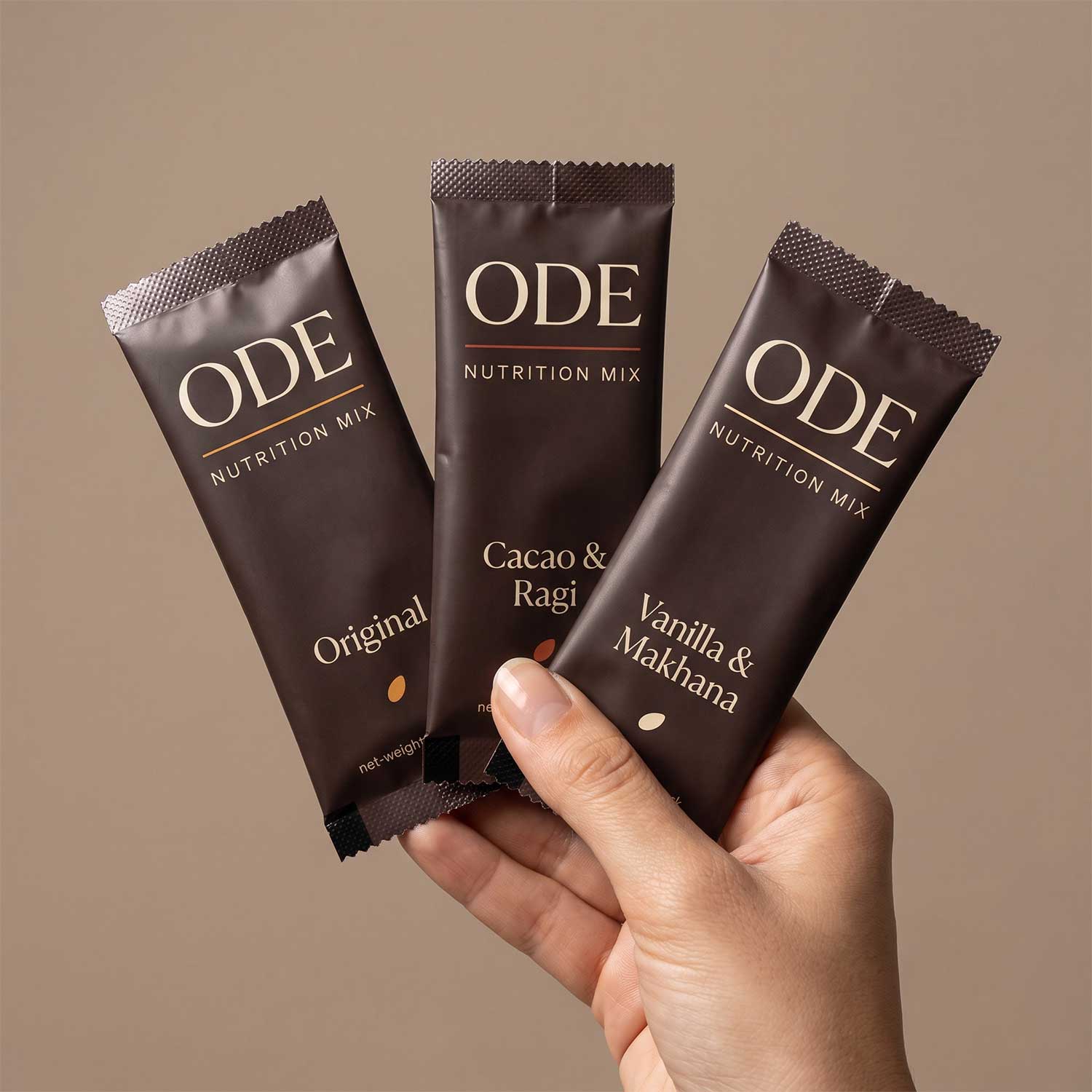

Think about global brands like The Tata Group, General Electric, Hitachi Ltd and Mahindra Group. They operate in numerous industries and offer a range of products, services, and brands in the market. How do customers know about all of them and their connection with these brands? Also, how do they themselves keep things organised for their internal processes and marketing?
Brand architecture is the answer. It is through this architecture or structure that businesses (parent/master brand) organise their offerings (sub-brands) clearly.
There are different brand architecture types, and each of them has a varying level of association between the master and the sub-brands. If one has the sub-brand grow under the stewardship of the parent brand, in the other, the sub-brand evolves and establishes itself on its own. There are still others that sit somewhere in between the two types.
In this blog, we will explore each of these brand architecture types, together with their advantages and disadvantages, in detail. But before diving deep into the topic, we will elaborate a bit more on what brand architecture actually is and why it is important. Later in the blog, we will also discuss how to choose the right brand architecture model for your business and the process to create it efficiently.
And if you are just starting a business and think that brand architecture has no relevance for you, think again. It is needed right from the beginning.
In This Article
Brand Architecture — What Is It?
It is given that a business that starts with a single product or brand will not forever stay the same. Progress is inevitable, and therefore, newer products, services and brands will be launched, and some will be acquired, too.
As the repertoire grows, there are chances that the business might appear confusing, both to the internal stakeholders as well as the consumers. This is why a proper structuring of the business is required from the beginning, and this is where brand architecture comes into play.
What is Brand Architecture? It's a framework or structure within which a company organises its various sub-brands or products and defines their roles and relationships with each other.
It helps businesses present themselves clearly and efficiently to their customers and stakeholders, and grow steadily.
02 — BenefitsBenefits of Brand Architecture
A well-established brand architecture creates clarity — both among customers and internal stakeholders. Customers understand and remember the product/service offerings as well as their relationship with each other and the master brand easily. This builds familiarity, trust and ultimately loyalty. Employees, on the other hand, clearly understand how to craft messages and identities for sub-brands to create overall brand consistency. In addition, it enhances the confidence of other stakeholders, like partners and investors, too.
Both the parent brand and the sub-brands can drive each other's growth. Sub-brands can benefit from the reputation of the parent brand and the confidence they inspire in consumers. On the other hand, the growth of the individual sub-brands adds to the value of the parent brand as well. The result is increased brand equity for the overall business.
A well-built brand architecture helps you spot potential areas for growth, which is essential to plan future expansion. Moreover, new product launches get support from the credibility of the already established master brand. Consumers trust the quality of the new product almost immediately because of their previous positive experience with the master brand. This means that businesses can easily expand into newer areas.
A good brand architecture ensures better marketing strategies. You can efficiently recognise opportunities for cross-promotion and cross-selling. The success of one sub-brand can be advantageous to others in the pool. The framework also allows for targeted campaigns with a strong and clear marketing message.
Main Types of Brand Architecture
Branded House
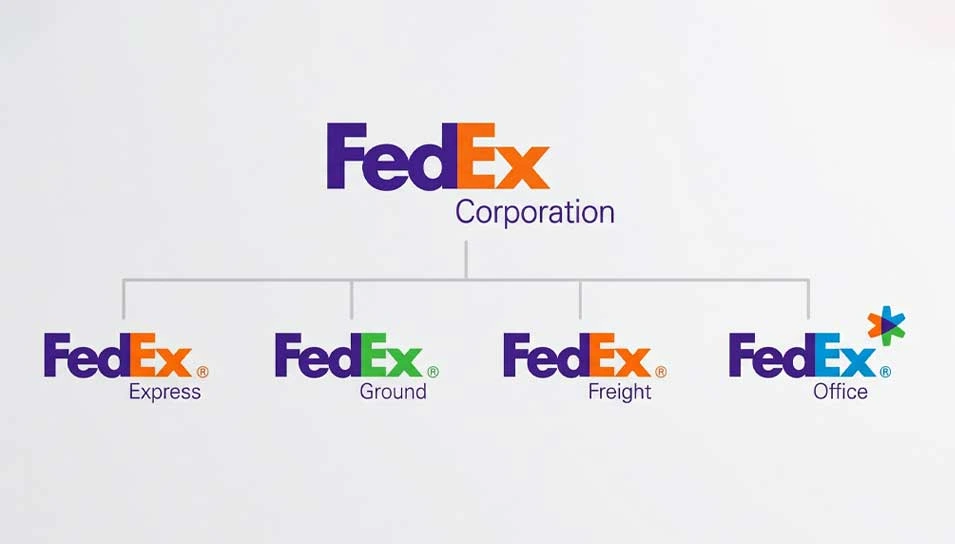
The Branded House or the Monolithic model is the most common, clear and easy type of brand architecture. Here, the master brand is the organisation itself. All other sub-brands — that offer different products and services — work according to the guidelines laid down by the master brand. This means that the sub-brands get their core brand identity elements from the master brand, including logo, mission, values, and the colour palette. However, each brand can also have its own uniqueness to cater to its target audience.
Advantages of the Branded House
- It is the simplest of all brand architecture designs.
- Consumers get a sense of clarity and trust. Since they already trust the well-established master brand, they also trust any new sub-brand introduced by it. This gives the sub-brands a head start in the market.
- The success of sub-brands adds value to the master brand, increasing the overall brand equity.
- When sub-brands perform well, they boost the value of other connected sub-brands as well.
- It is also very cost-effective and efficient. A single marketing strategy works well for all the sub-brands.
Disadvantages of the Branded House
- If the success of a sub-brand can add to the value of the master brand and other sub-brands, it is obvious that its failure can hurt them too. A problem with one of the sub-brands can seriously impact the entire organisation.
- Conversely, if the master brand itself is weak and underperforming, the chances of the sub-brands doing quality business become negligible.
- An organisation may offer products and services that fall into a variety of categories and do not really connect in any way. If this is the case, the overall brand message can become complicated, confusing customers about the actual identity.
Branded House Examples
- FedEx: FedEx Express, FedEx Freight, FedEx Logistics, FedEx Ground
- Google: Google Search, Google Maps, Google Drive, Google Photos, Google Meet
- Amul: Amul Butter, Amul Milk, Amul Cheese, Amul Ghee, Amul Ice Cream
- Reliance: Reliance Digital, Reliance Trends, Reliance Fresh, Reliance Smart, Reliance Foundation
- HCL: HCL Tech, HCL Software, HCL Healthcare, HCL Foundation
House of Brands

The House of Brands model of brand architecture is also known as the Pluralistic model. When compared to the Branded House architecture, this one lies on the other end of the spectrum. While in the former, the master brand and sub-brands are closely tied and affect each other, in the latter, each sub-brand is independent and operates as per its requirements. Their identity, messaging, target audience and positioning are all independent of each other. They might as well be each other's competitors. Customers may or may not know about the association with the master brand, which is essentially required only for investment and administrative purposes.
Advantages of the House of Brands
- Since all sub-brands are independent of each other, it is possible to enter into diverse sectors of the market without diluting the overall brand image.
- Each sub-brand has the creative and operational liberty to design its own identity and pursue its own marketing strategy.
- Problems and a negative reputation of one brand stay with it. There is no spillover effect on other brands, which means that the organisation, on the whole, doesn't get affected. This also gives sub-brands a greater ability to take risks.
Disadvantages of the House of Brands
- In contrast to the Branded House model, the sub-brands in the House of Brands model don't have much support from the master brand when they are launched. These have to be created from the ground level without the benefits that come with being associated with the well-known master brand.
- Since every sub-brand operates on its own and has its own marketing strategy, it is both difficult and expensive. The high cost means the model isn't a feasible option for small businesses or start-ups that function on limited resources.
- Employees within the organisation may struggle to convey each sub-brand's identity to the customers.
House of Brands Examples
- Hindustan Unilever Limited (HUL): Dove, Surf Excel, Lux, Pepsodent, Lakmé
- ITC: Aashirvaad, Sunfeast, Bingo!, Fiama, Vivel
- Procter & Gamble (P&G): Tide, Ariel, Pampers, Gillette, Oral-B
- Godrej Consumer Products: Good Knight, Cinthol, Hit
Endorsed Brands
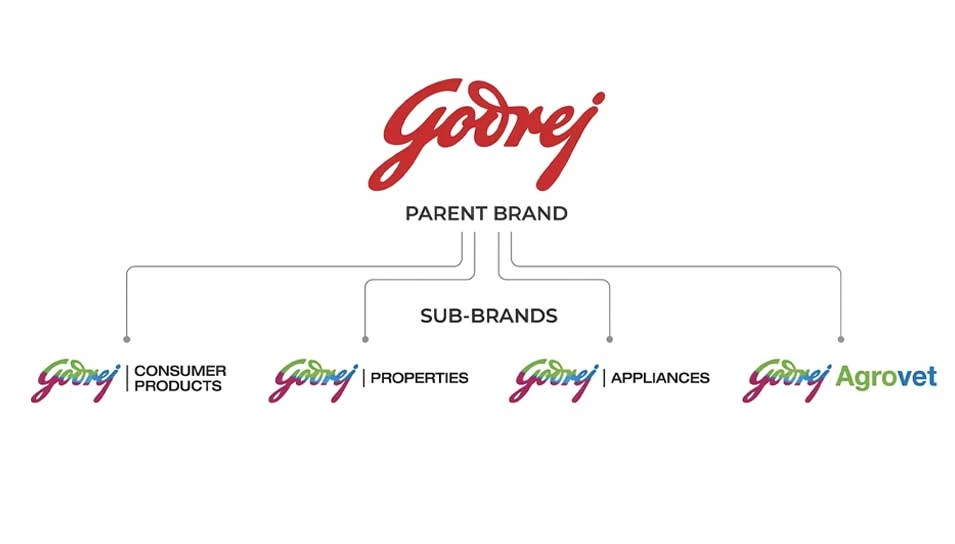
This brand architecture model lies somewhere between the Branded House and the House of Brands. Here, each of the sub-brands holds its own distinct identity and targets a very different set of audiences; however, they enjoy the trust and reputation established by their parent company.
Advantages of the Endorsed Brands
- The sub-brands have the liberty to create their own identity, but at the same time, they benefit from the credibility of the parent brand. This is especially true in the case of a new launch by the sub-brand.
- It offers sub-brands a little more flexibility to operate themselves than the Branded House model. The amount of risk involved is slightly less as well.
Disadvantages of the Endorsed Brands
- Though the risk involved is less, it is still a problem. If one sub-brand suffers from negative reviews or a poor reputation, the other brands in the group and the master brand are affected too.
- Similarly, if the master brand suffers for some reason, the effects spill over to its sub-brands as well.
- Since the association between the master brand and the sub-brands is not so strong (as in the Branded House Model), a new launch takes a longer period of time, and incurs higher expenditures to establish itself in the market.
Endorsed Brand Examples
- Marriott: Courtyard by Marriott, Residence Inn by Marriott
- Kellogg's: Kellogg's Special K, Kellogg's Frosties
- Britannia: Good Day by Britannia, NutriChoice by Britannia
- Godrej: Godrej Interio, Godrej Properties, Godrej Appliances
The Sub Brand
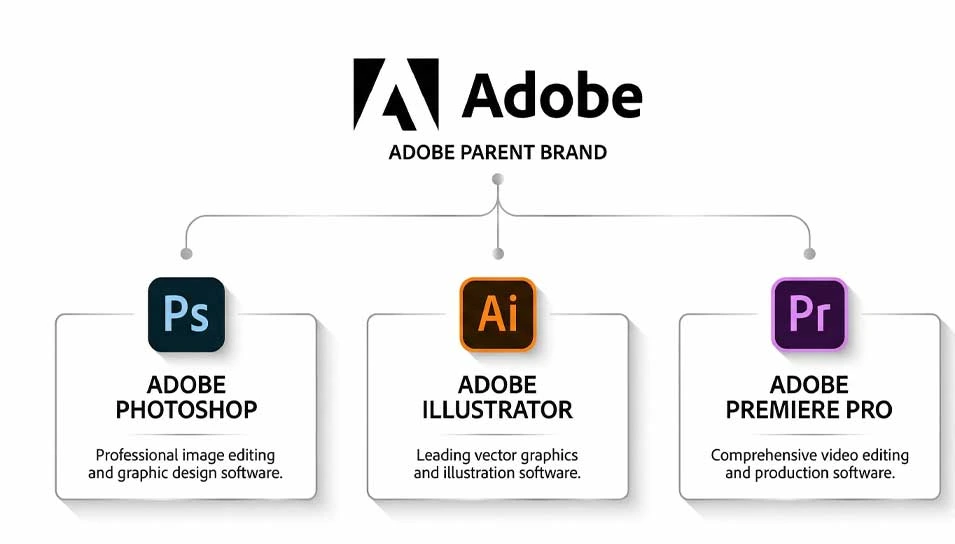
While the Endorsed brand model sits between the two brand architectural styles, the Sub Brand model is closer to the Branded House. The smaller brands within this model maintain a stronger association with the parent brand, both in terms of visual identity and marketing strategy. Still, despite this, each sub-brand has the freedom to establish its own identity and target different markets and audiences.
Advantages of the Sub Brand
- The smaller brands within this ecosystem have the flexibility to expand into newer territory without losing their identity.
- The strong connection with the parent brand lends trust and credibility to a new launch in the market. The result is that the new launch is able to establish itself much faster and more efficiently.
- This model is easy to manage.
Disadvantages of the Sub Brand
- Several smaller brands, all catering to different needs and audiences, can dilute the overall brand message and confuse the customers.
- Smaller brands need to be managed well to ensure that they stay close to the parent brand's core identity and values. This entails a significant investment, both in terms of time and resources.
- As with the Branded House model, here too, a bad reputation of a sub-brand or the master brand negatively impacts the rest of the group.
Sub Brand Examples
- Tanishq: Mia by Tanishq, Rivaah by Tanishq
- Apple: iPhone, iPad, MacBook, Apple Watch
- Adobe: Adobe Photoshop, Adobe Illustrator, Adobe Premiere
The Hybrid Brands
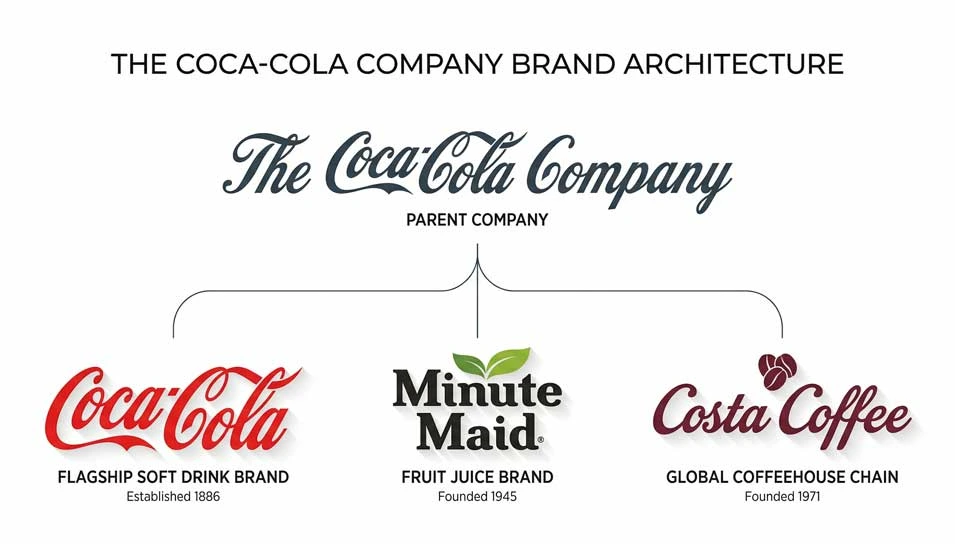
The Hybrid brand architecture combines different models as per requirements. Certain sub-brands maintain close ties with the parent brands (the Branded House approach), while others can have a more independent identity (the House of Brands approach). For this reason, this model is also known as the Blended House model. This type of model usually emerges when an organisation grows and acquires new businesses or merges with others.
Advantages of the Hybrid Brand
- Greater flexibility — that's what the Hybrid model is all about. It allows businesses to use the Branded House model when a close association with the master brand is beneficial, or alternatively, go for the House of Brands option if independence is what is required for the growth of the sub-brands.
- New sub-brands can benefit from their close ties with the parent brand.
- It also enables businesses to expand into newer areas without risking the reputation of the main brand.
Disadvantages of the Hybrid Brand
- With so many sub-brands — some independent from the main brand, while others heavily dependent on it — things can get really complicated.
- It can create confusion in customers' minds as they don't understand the connection clearly.
- It becomes difficult to maintain a harmonious state where sub-brands neither overshadow the parent brand nor rely too much on it.
- The other problems associated with the specific brand architecture style apply here as well.
Hybrid Brand Examples
- Amazon: Amazon Prime, Amazon Fresh, Audible, Twitch
- The Coca-Cola Company: Coca-Cola, Minute Maid, Costa Coffee
- Microsoft: Microsoft Office, Microsoft Azure, LinkedIn, GitHub
- Tata Group: Tata Steel, Tata Motors, Tetley, Jaguar Land Rover
Choosing the Right Brand Architecture For Your Business
If you are new to the business, you will probably struggle a little to find out which architecture model is perfect for you. However, what you need to know is that it is not a rigid framework that cannot be changed. As your business grows and changes, your brand architecture needs to evolve too. For example, a new business might find the Branded House approach suitable, but at a later stage, when it has grown substantially, a hybrid model may offer more advantages. So your brand architecture model needs to adapt accordingly.
How you choose the correct type of architecture for your business will depend highly on your goals and vision. Do you want your business to appear as a unified entity, or do you want independence for your sub-brands to grow on their own, or maybe you want an architecture that offers flexibility and lies somewhere in between? Whatever you choose, clarity and consistency need to be an intrinsic part of it.
Building a New Brand? Start With the Right Structure.
We can help.How to Create Brand Architecture
Frequently Asked Questions
What is the difference between a Branded House and a House of Brands?
In a Branded House, all sub-brands operate under the master brand's identity — sharing its name, visual language, and equity. Google is the classic example. In a House of Brands, each sub-brand is completely independent with its own identity and positioning, and the parent company's name is not visible to consumers. P&G is the definitive example — most customers don't know that Tide, Gillette, and Pampers all belong to the same parent company. The core difference is how much master brand equity is shared with sub-brands.
What is an endorsed brand architecture?
An endorsed brand architecture is one where sub-brands have their own distinct identity but visibly carry the parent brand's name as an endorsement — typically using a "by [Parent]" convention. Courtyard by Marriott and Good Day by Britannia are clear examples. The sub-brand benefits from the parent's credibility and trust while maintaining enough independence to target a different audience or market segment. It sits between the Branded House and the House of Brands on the spectrum.
What are good sub-brand examples?
The clearest sub-brand examples come from Apple — iPhone, iPad, MacBook, and Apple Watch each have their own design language and audience positioning, but all carry the Apple name prominently and inherit its brand equity. Adobe's suite (Photoshop, Illustrator, Premiere) follows the same logic. In India, Tanishq's Mia and Rivaah are strong sub-brand examples — distinct enough to serve different audiences (everyday jewellery vs. wedding jewellery) but clearly tied to the Tanishq parent.
When should a new business start thinking about brand architecture?
From day one. Even if you start with a single product, the architecture decisions you make early determine how easily you can add new products, enter new markets, or launch sub-brands later. A business that begins with a clear Branded House foundation can expand without confusion. One that starts without any architectural thinking often ends up with a fragmented, inconsistent portfolio that costs significantly more to reorganise once it's grown. Early decisions are the cheapest ones to make.
Can a company change its brand architecture type over time?
Yes — and this is expected as businesses grow. A startup that begins as a pure Branded House may naturally evolve into a Sub-Brand or Endorsed model as it launches products for different audiences. Companies that make acquisitions often shift toward a Hybrid model because the acquired brands carry existing equity that shouldn't be discarded. The key is that architectural evolution must be deliberate — planned and communicated clearly — rather than happening through drift and inconsistency.
What role does a branding agency play in brand architecture?
A branding agency like DN Designs brings both the strategic rigour and the creative execution needed to make brand architecture work in practice. This includes auditing your current portfolio, recommending the right architectural model based on your goals and market, designing the visual identity system that reflects the chosen structure, building the brand guidelines that ensure consistency, and supporting the implementation across every touchpoint — from packaging to digital. Architecture is strategy; a good agency makes it visible and consistent.
Conclusion
Brand architecture plays a crucial role in the success of your business. It is the foundation that creates clarity, streamlines your marketing efforts and paves the way for future expansion without confusing the customers and important stakeholders. Businesses should make sure to choose the right architecture model for themselves based on their goals and visions, and adapt it to a more suitable type as they grow and add more products & services to their portfolio.
If Your Brand Is Growing, Your Structure Should Guide It, Not Slow It Down.
Design a brand architecture that brings clarity, aligns your vision, and scales with your business.