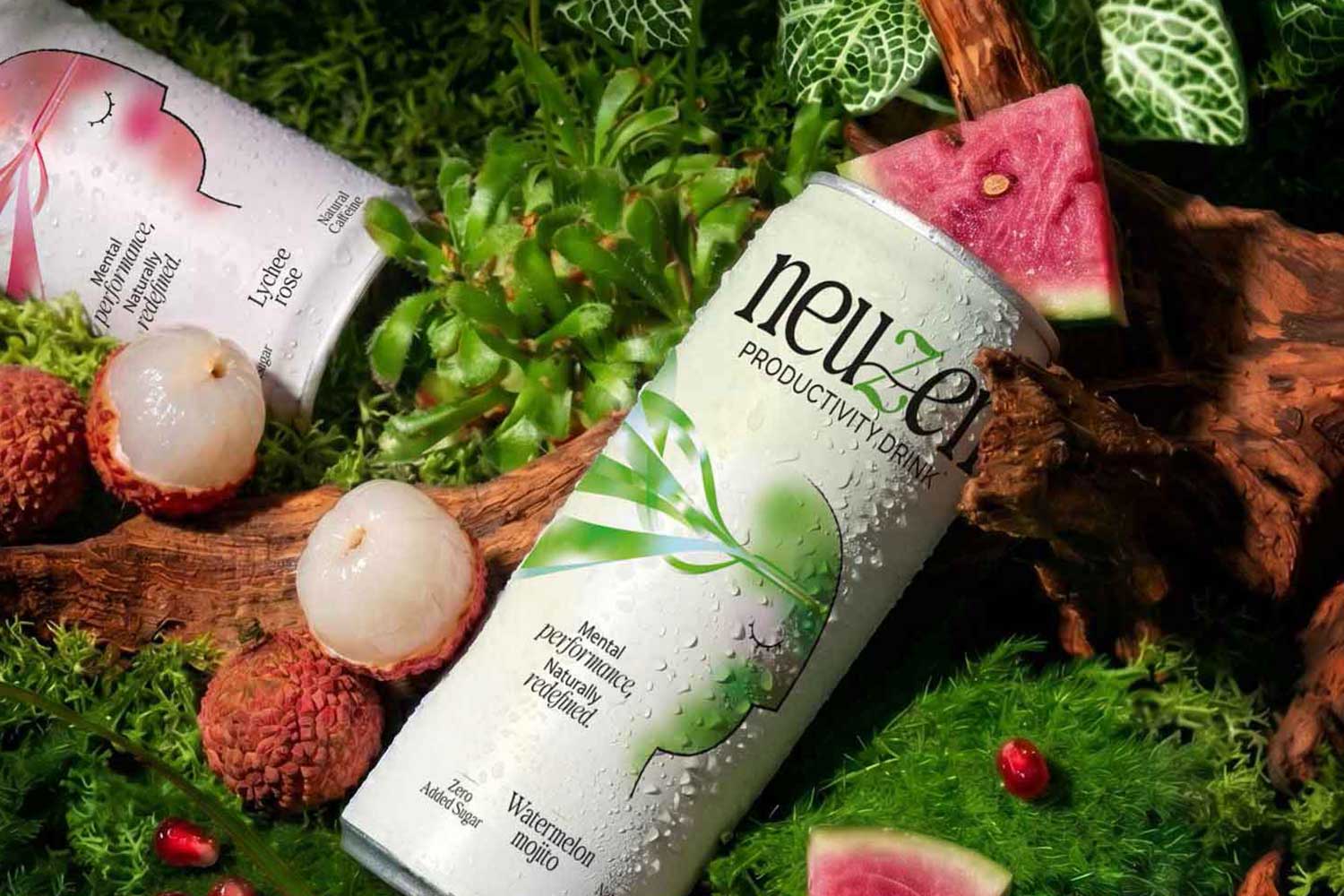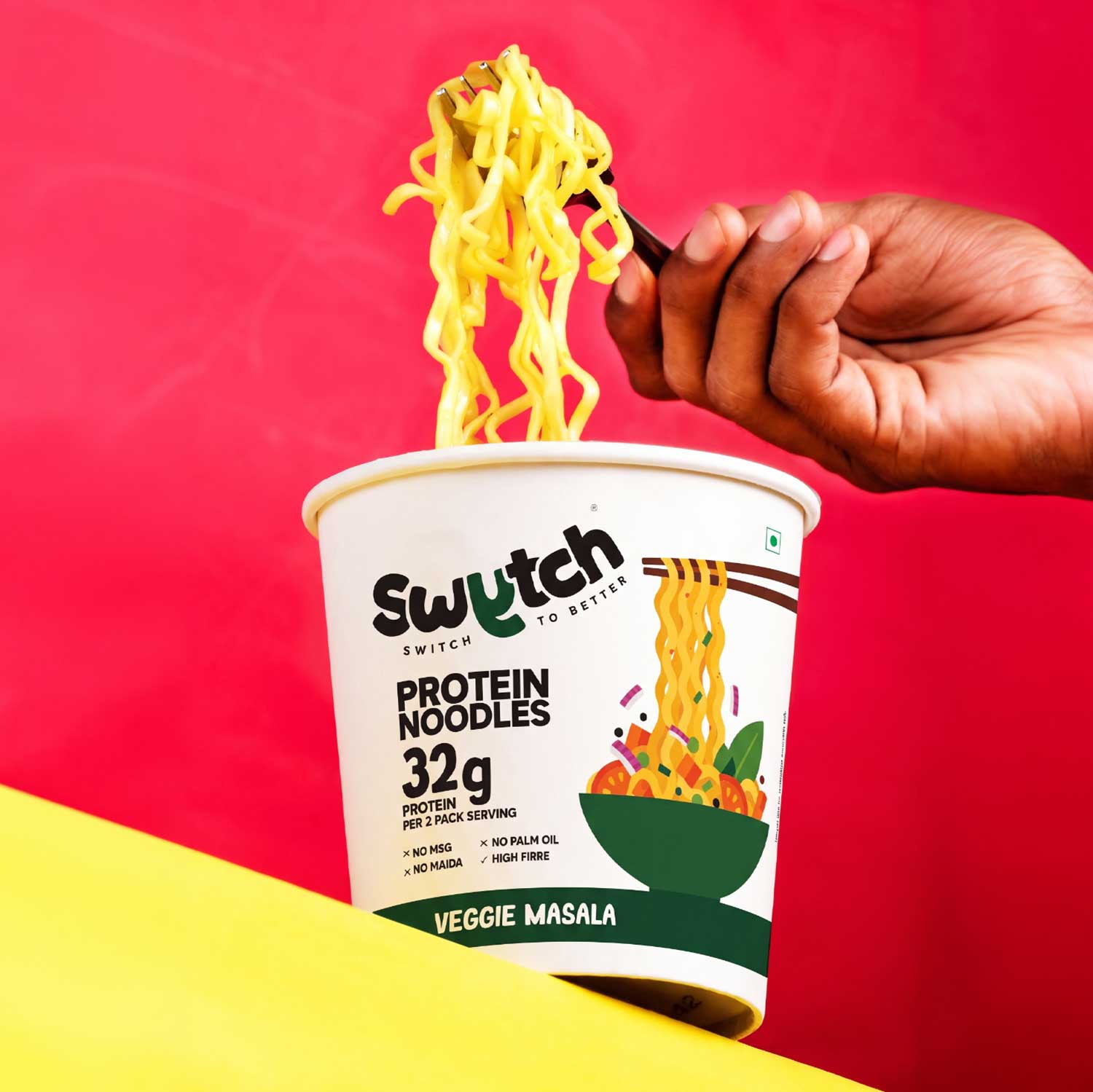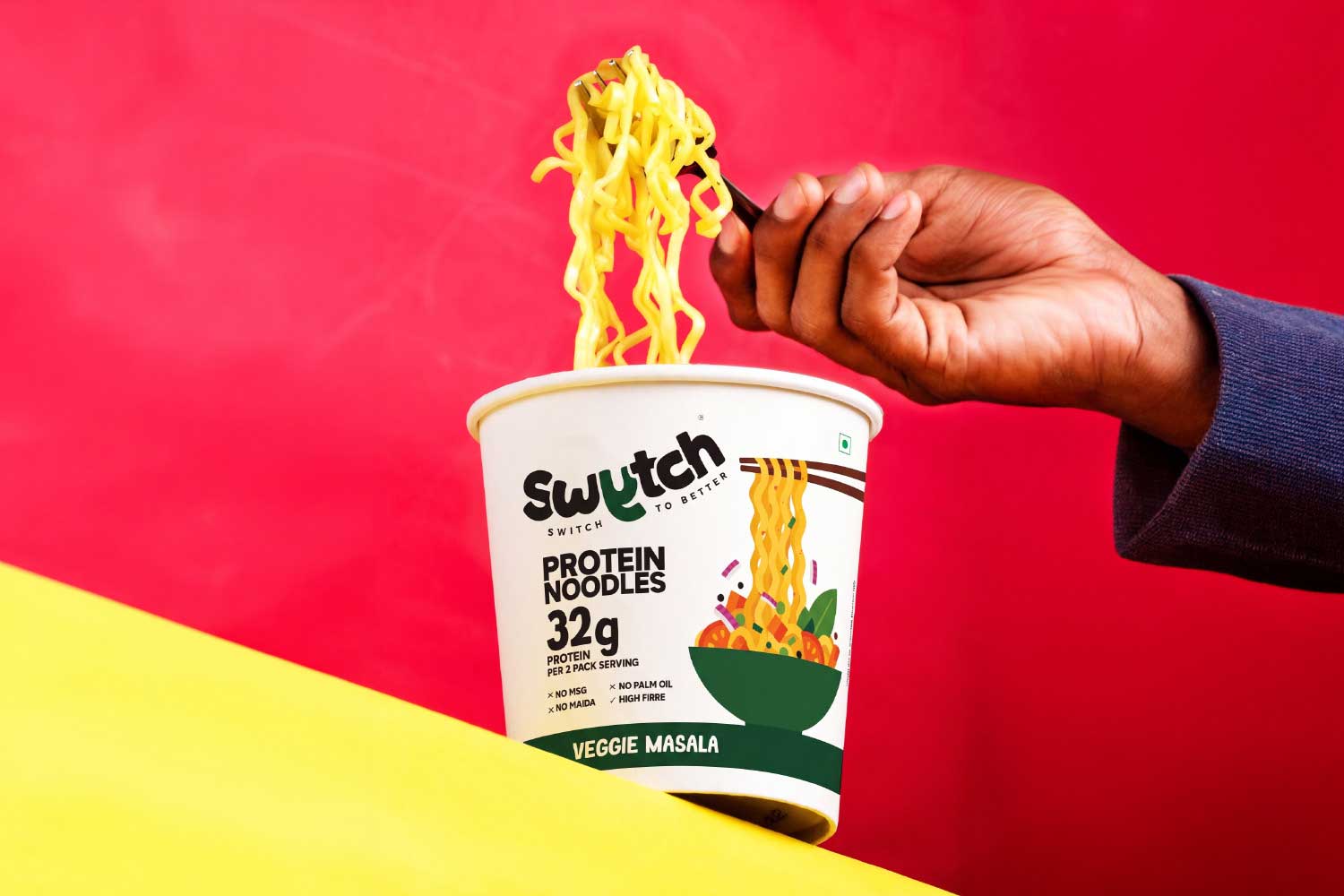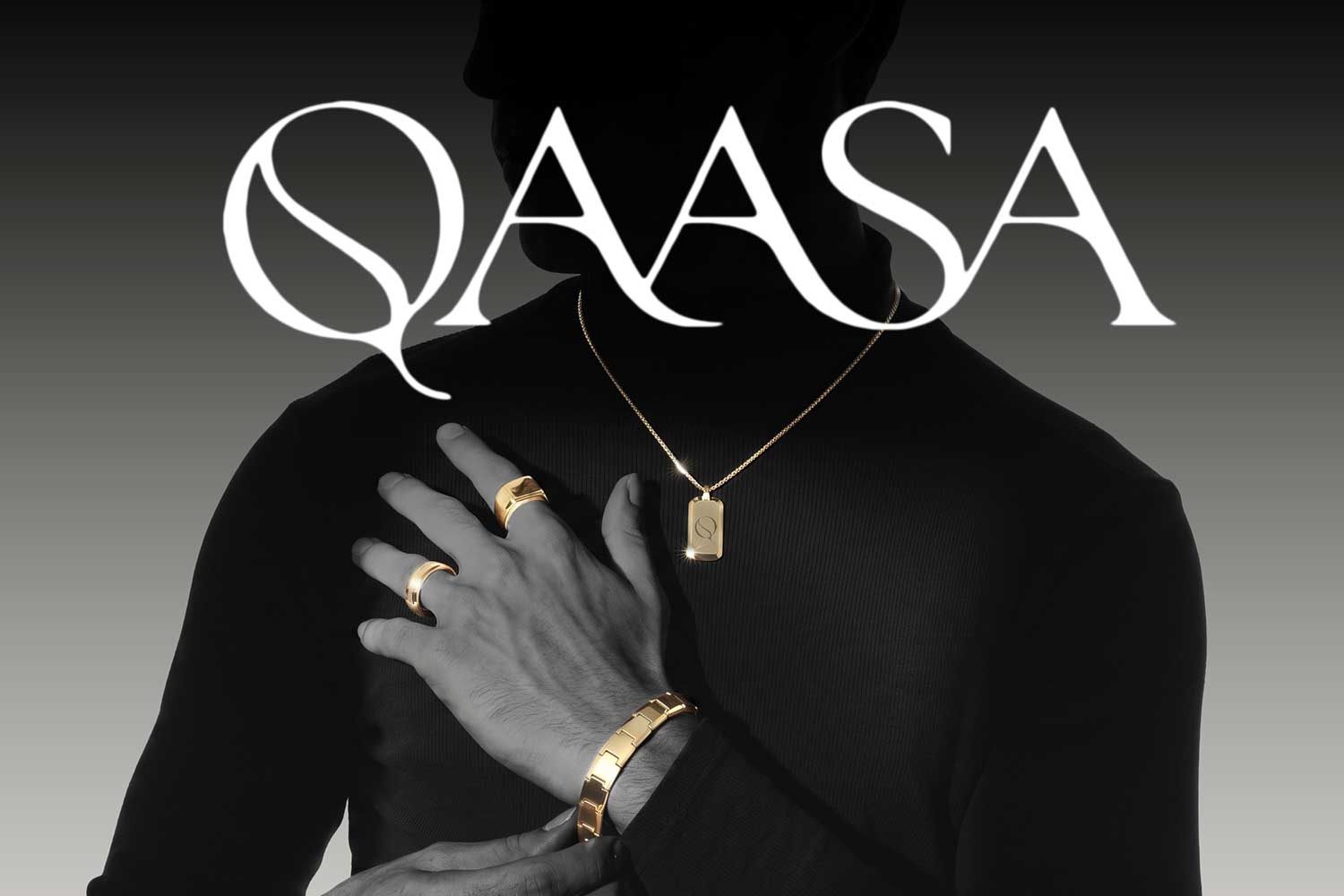
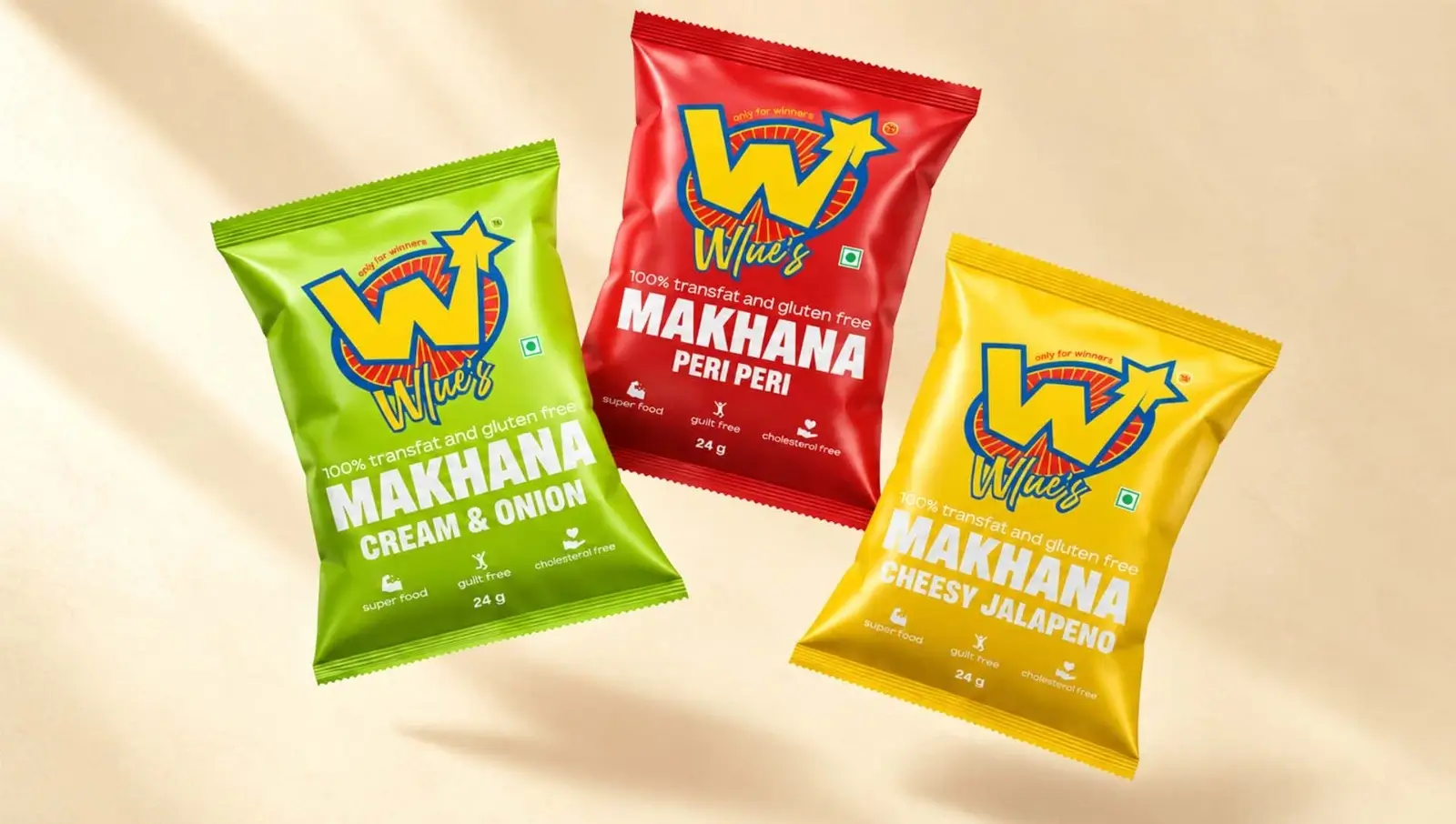
What Is CPG Packaging Design, Really?

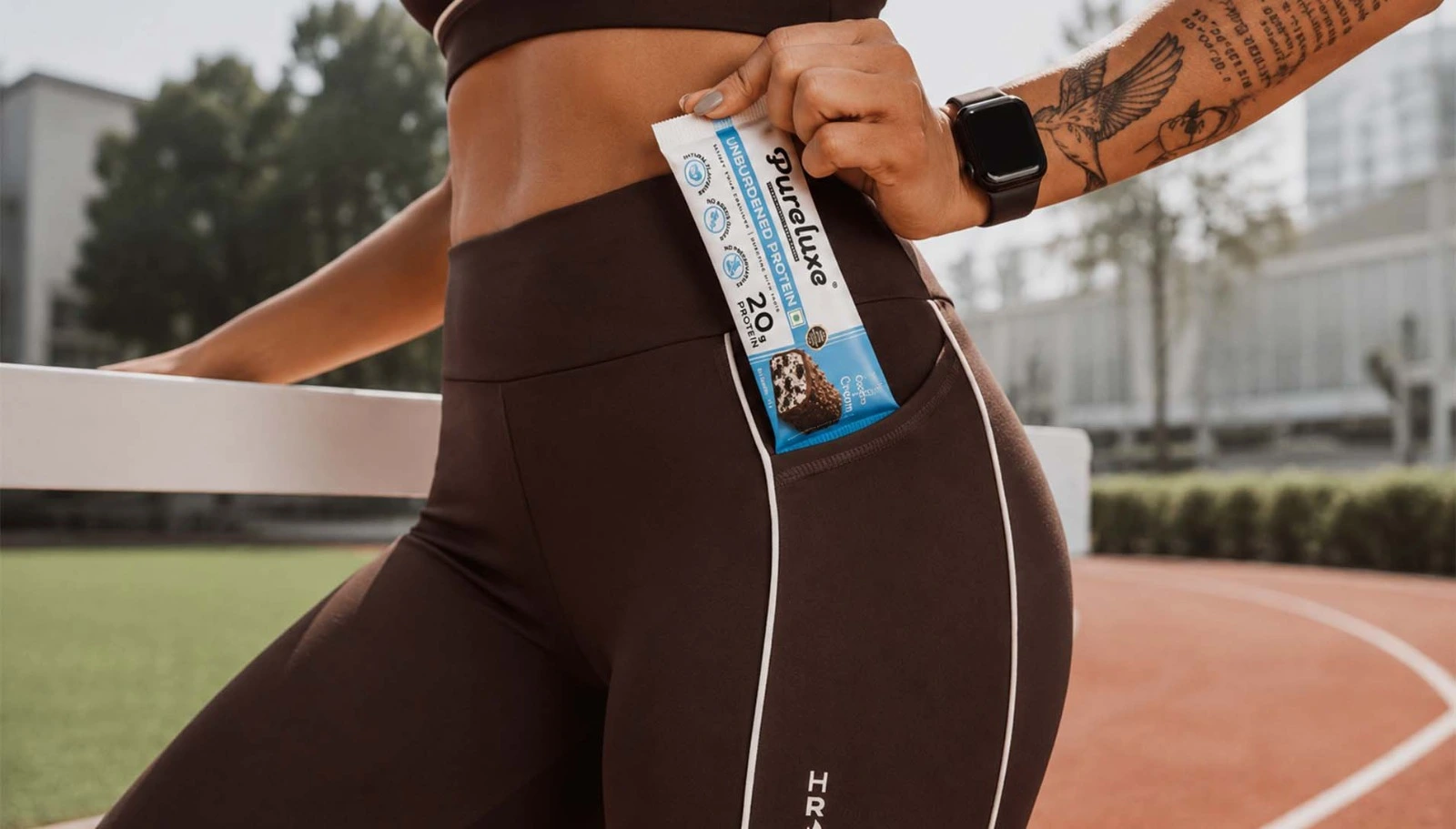
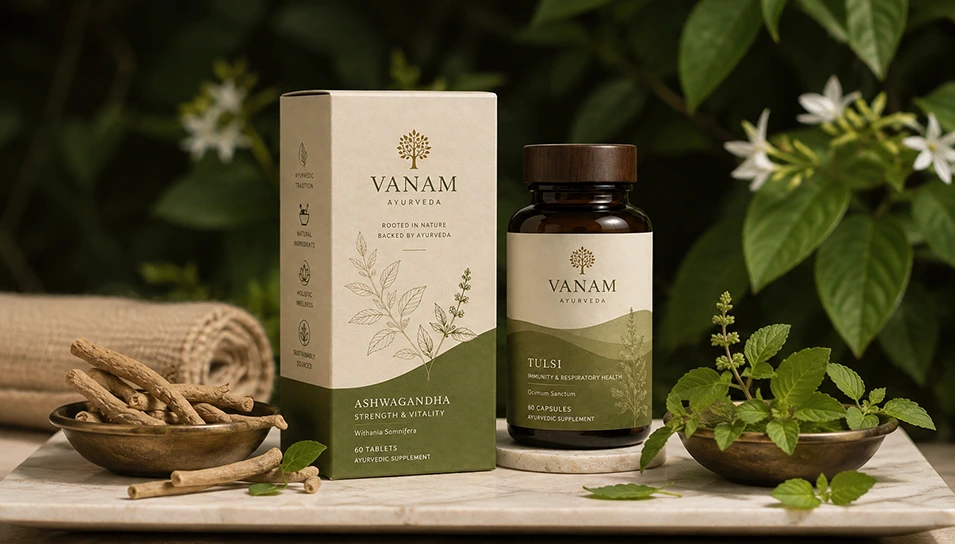
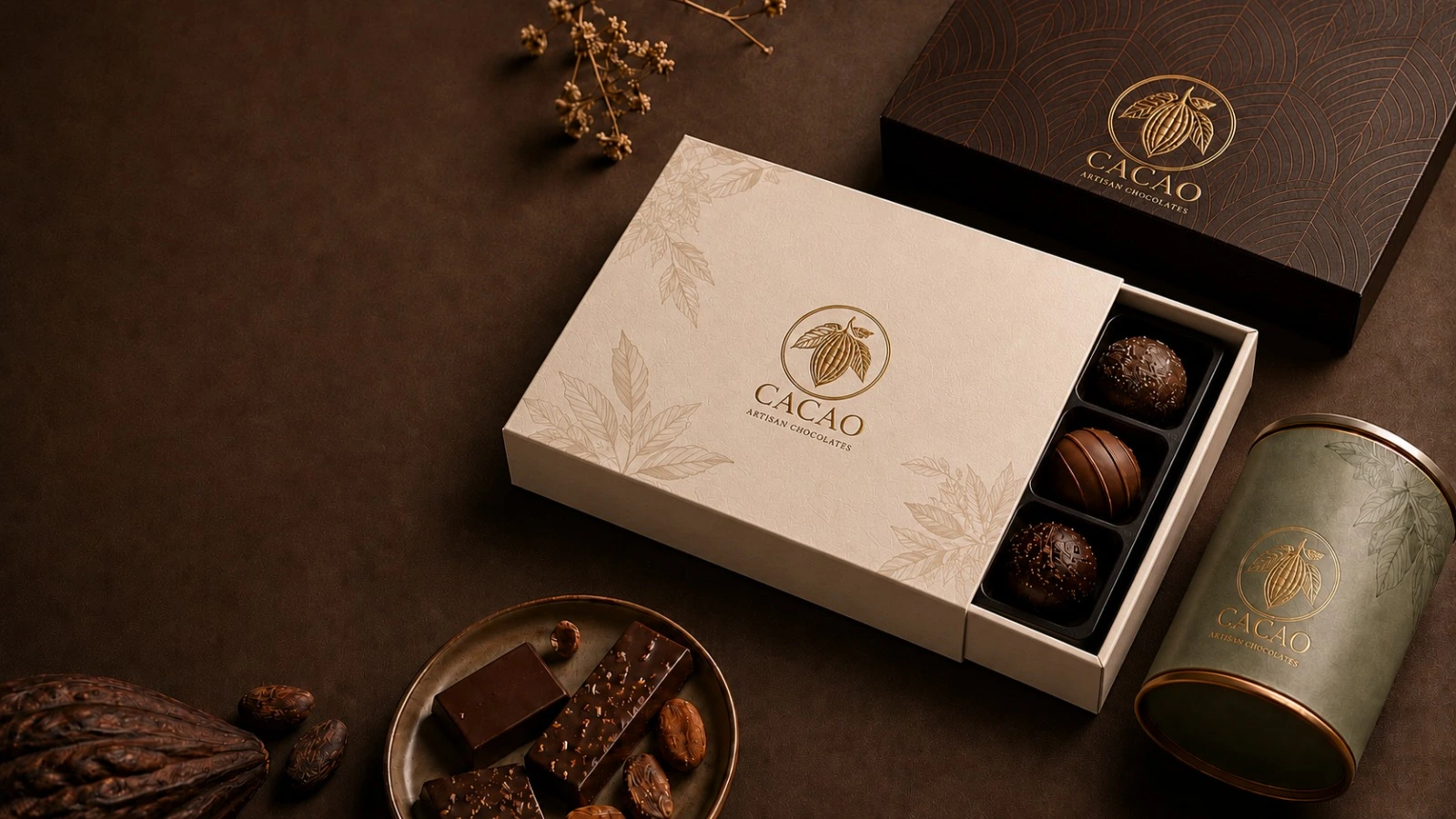
CPG (consumer packaged goods) packaging design is the process of translating a brand's strategy, positioning and personality into something a person can physically hold or scroll past on a product page. It's not decoration. It's not "make the box look nice."
It's the single most tangible and functional piece of marketing a consumer packaged goods company owns. Why? Because it works 24/7, on every shelf, in every cart, with zero ad spend behind it.
Good CPG packaging design does three things at once:
- Stops the scroll or the shelf-scan.
- Tells the customer exactly what they're buying and why it matters.
- Builds enough trust to get the product into the cart.
Miss any one of those, and the product doesn't move, no matter how good it tastes, smells, or performs.
Where CPG Packaging Design Really Begins: Brand Strategy
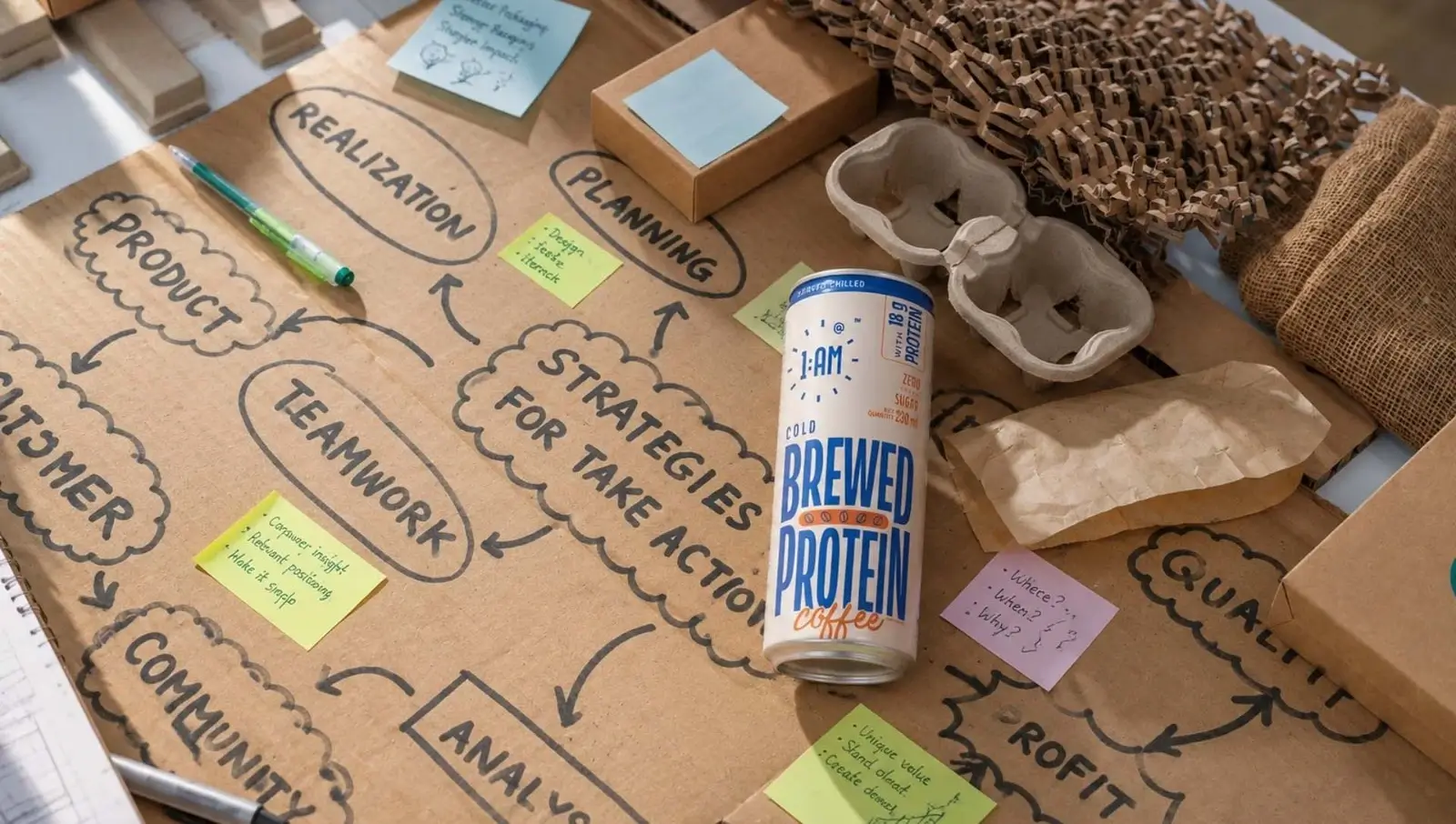
Good CPG packaging design doesn't start with a mood board. It starts with the brand underneath it.
Brand strategy is what gives packaging a reason to look the way it does. Without it, every design choice is guesswork dressed up as a decision.
A sound CPG branding and design strategy defines the audience, the category context, the competitive gaps and the single idea the brand wants to be known for. Packaging design then becomes the execution of that thinking, not its substitute.
A CPG brand strategy answers:
- What's the actual product opportunity; the gap this brand is stepping into?
- Who exactly is this for, and what do they currently settle for instead?
- What does this brand believe that competitors don't say out loud?
Skip this, and your designer is just guessing at what "premium," "clean" or "bold" should mean for your specific customer.
03 — The DifferentiationDeveloping A Clear Brand Positioning
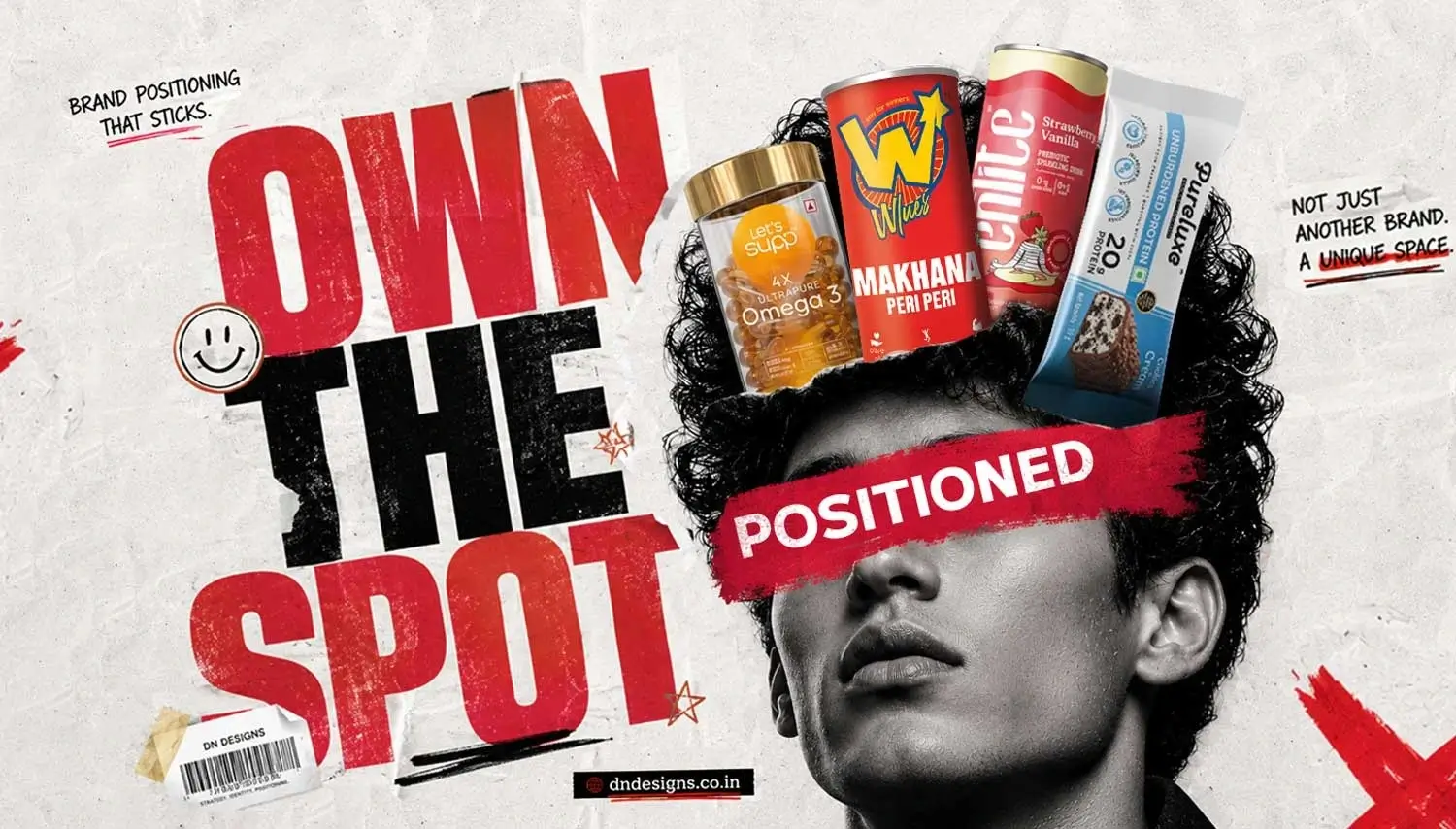
Positioning answers one question.
Compared to everything else in this category, why this brand?
Get it vague, and the CPG packaging design has nothing solid to stand on. Get it precise, and every subsequent decision, from pack shape to shelf language, gets easier to make and easier to defend.
Brand positioning for a CPG product needs to hold up under real category pressure. Premium versus everyday, indulgent versus functional, mass versus niche.
These aren't marketing labels. They shape material choices, price architecture and even how loud or quiet the packaging is allowed to be.
04 — The SystemBuilding a CPG Brand Identity
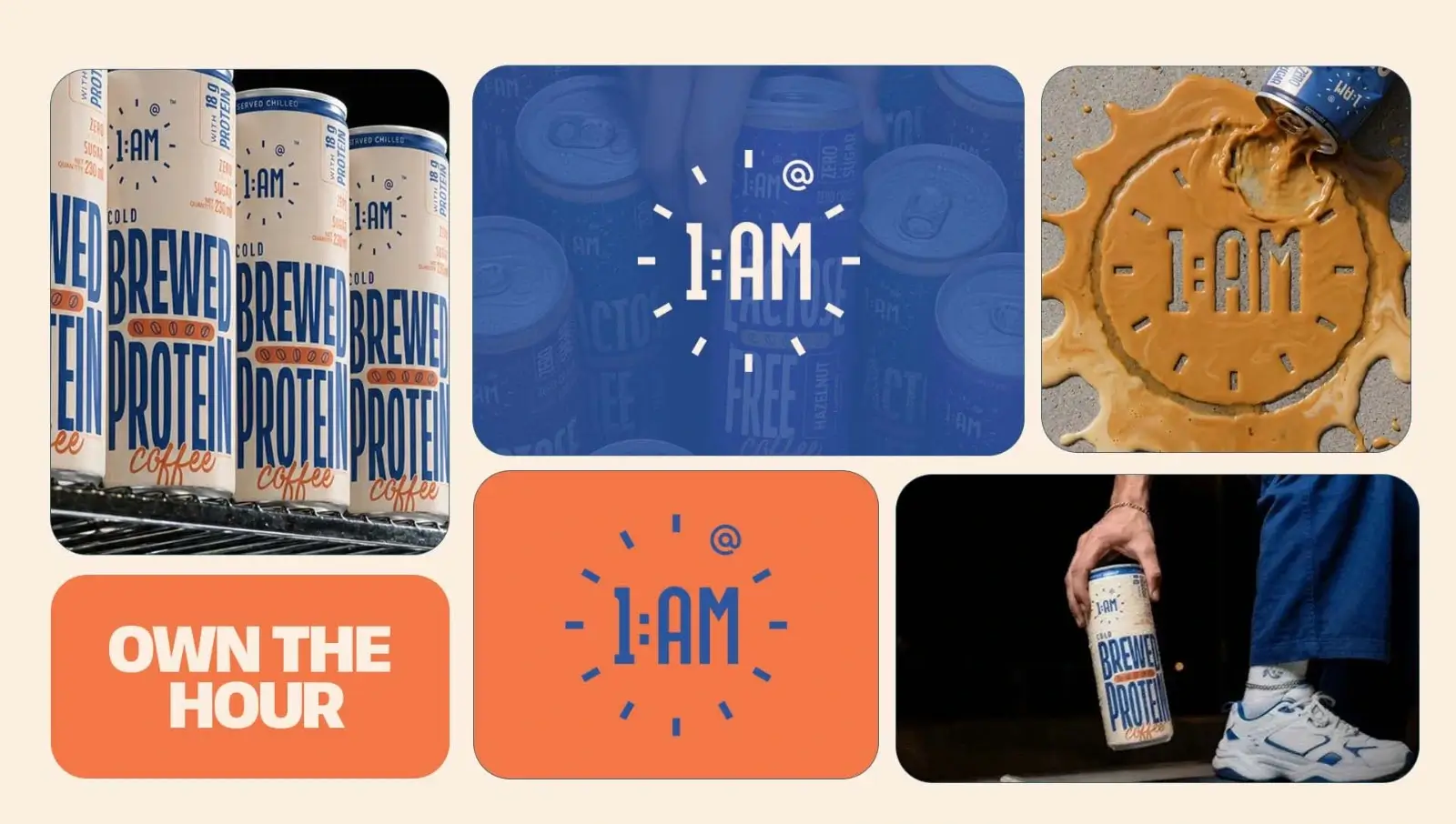
Once the strategy and positioning are set, brand identity is what carries them consistently across every surface the brand touches. Logo, colour system, typography, on-pack voice and messaging, all form part of this identity.
A strong brand identity that works for a CPG brand isn't about picking assets that look good in isolation. It's about building a system flexible enough to work across a hero SKU and a twelve-variant range, on a shelf and on a 400-pixel app thumbnail, without losing coherence.
Brand identity is a system your packaging, website, and social presence all pull from so nothing feels bolted on. Brand development at this stage is really systems thinking, not just pretty design.
05 — The BuildDesigning the Packaging System
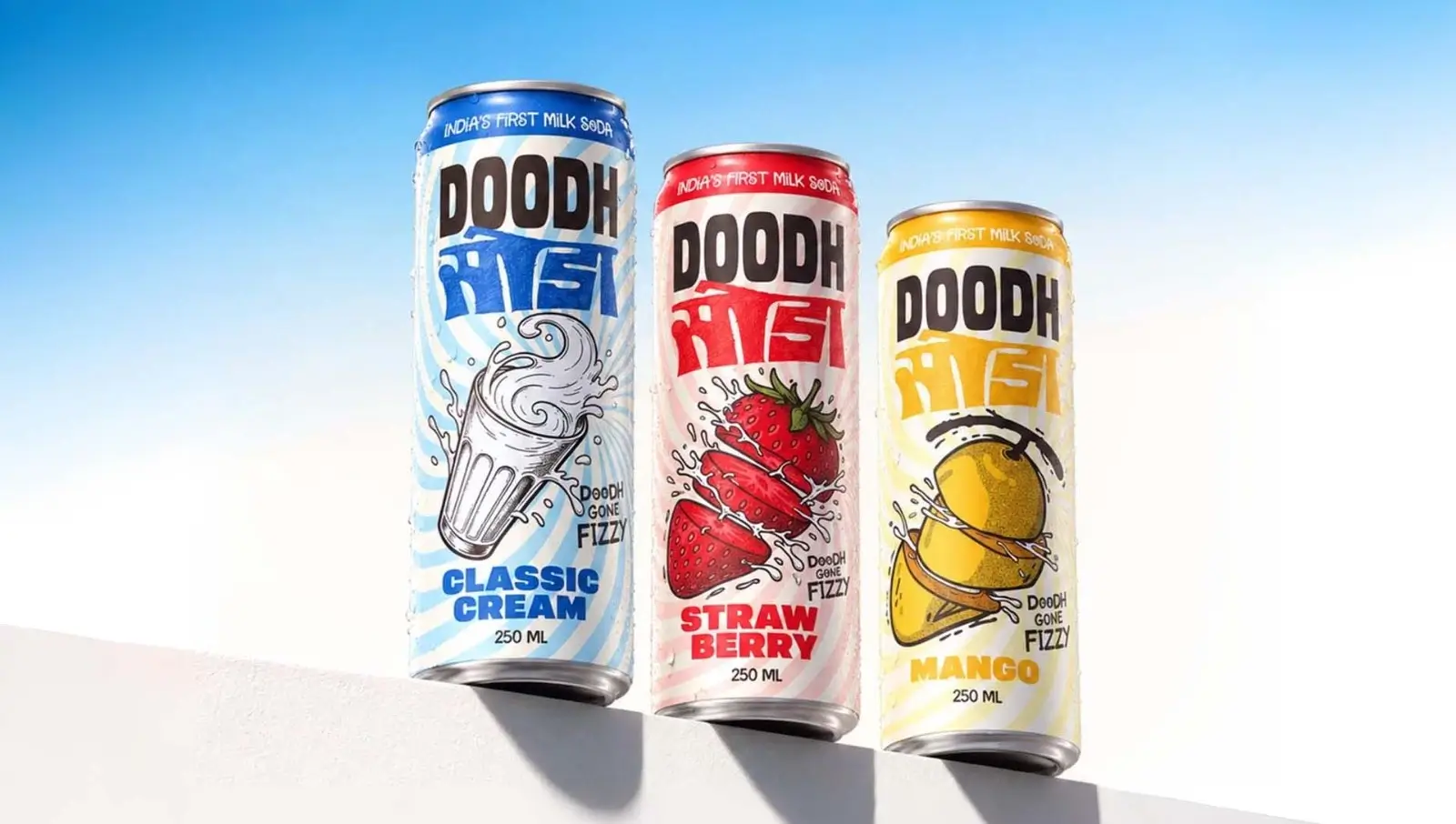
This is the part everyone thinks of first, and it's genuinely the hardest to get right, because it has to solve for people, not just aesthetics. A real packaging system considers:
Not Sure Your Packaging System Can Actually Scale?
Talk to ExpertsThis is also where a lot of good ideas quietly die, because they looked great on screen and fell apart in production. That's why packaging design has to be handled by people who've actually shipped physical products, not just rendered them.
06 — ScalingBuilding a Scalable SKU Structure
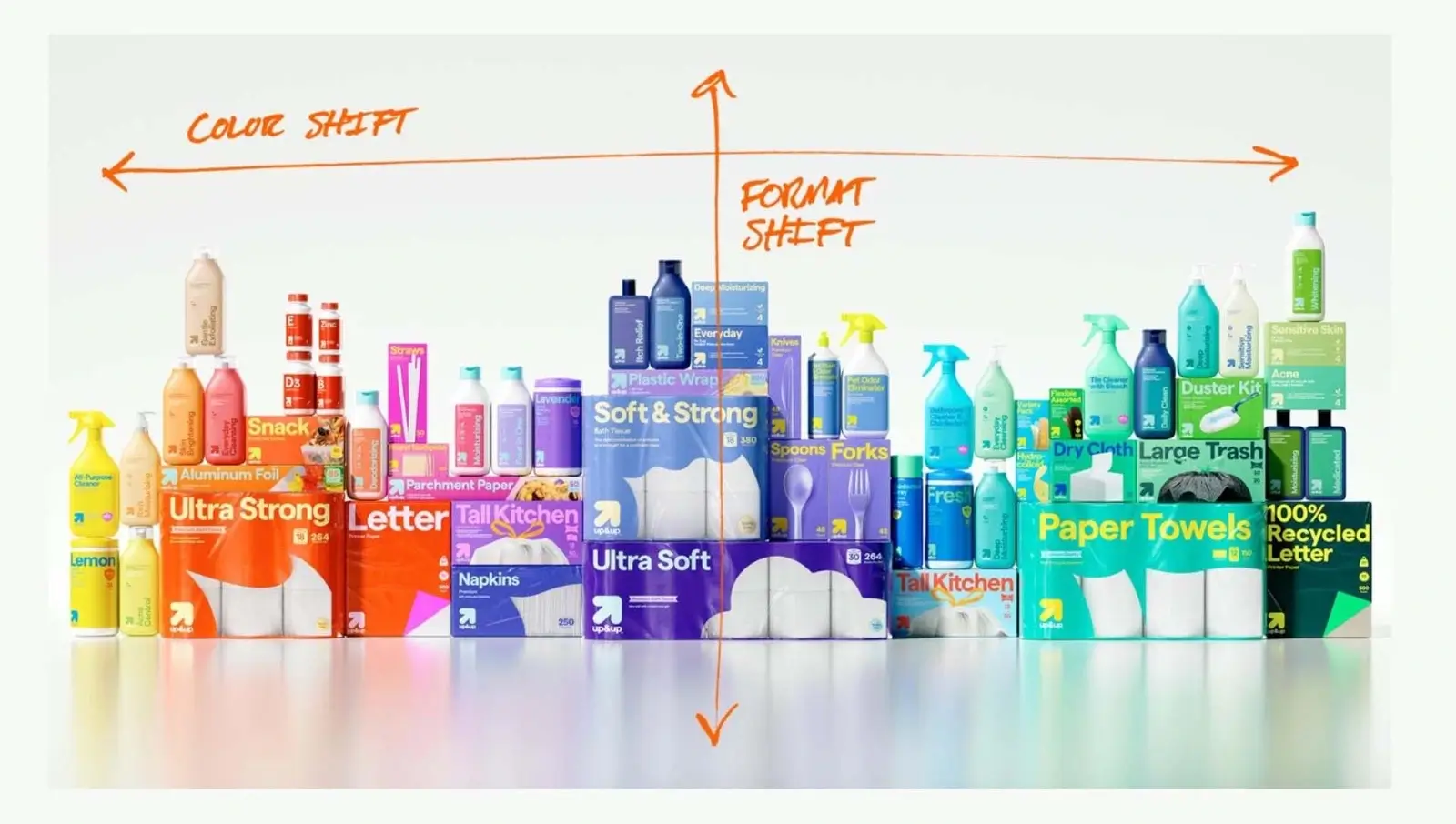
Most brands launch with one hero product and scale to a dozen SKUs within two years. If the packaging system wasn't built to flex from day one, every new SKU becomes a redesign instead of an extension.
A scalable system means:
- A consistent visual hierarchy that new products can slot into.
- Colour or code systems that differentiate variants at a glance.
- Room to add sizes, formats and line extensions without breaking brand recognition.
Design for the SKU you have today, but build the system for the 20 you'll have in three years.
Prepping For Production, Actually
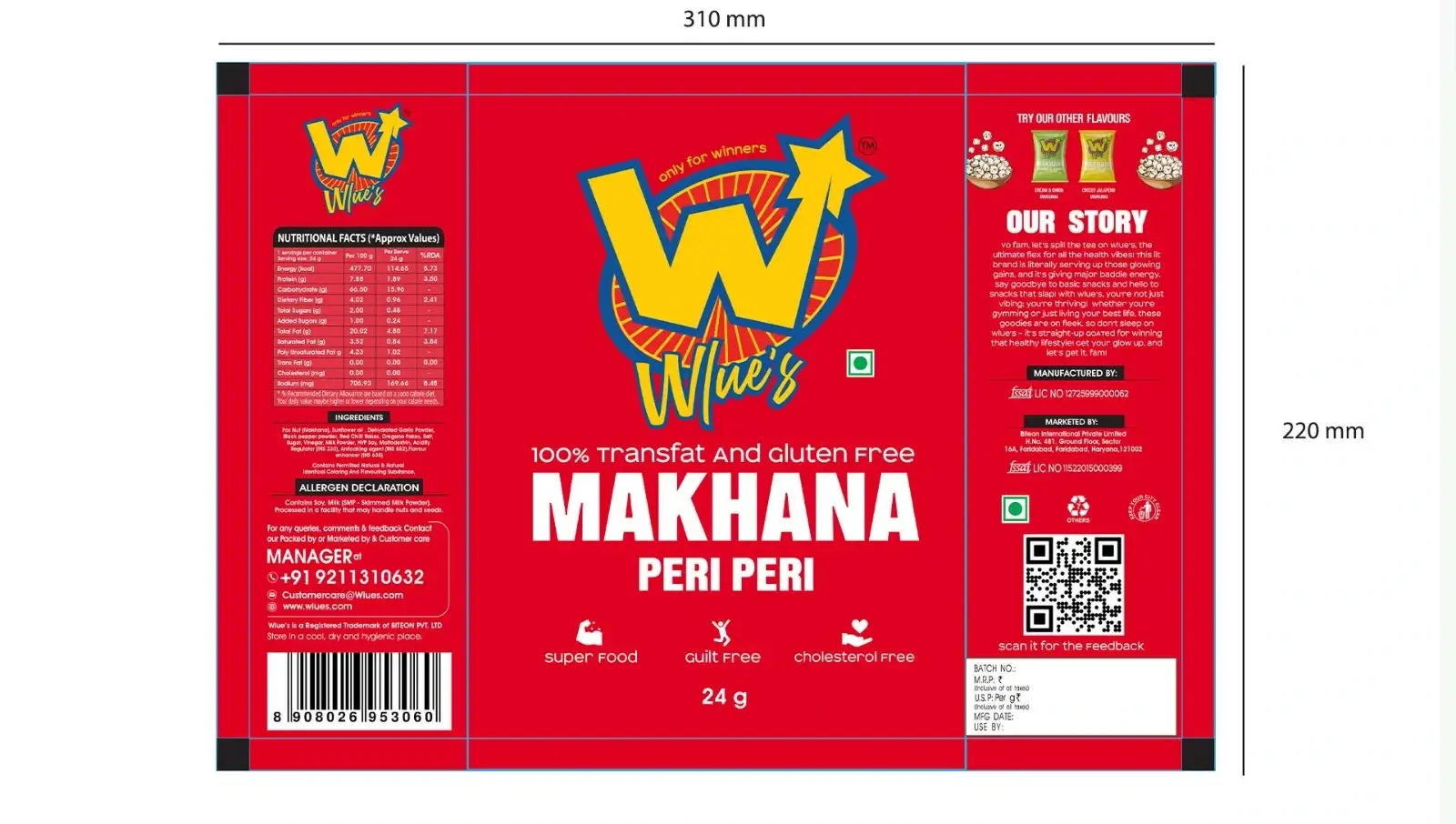
A beautiful file that can't be printed correctly is a real problem. Production-ready files need precise dielines, correct bleed and colour specs (Pantone, CMYK, whatever the printer needs), material specs, and a printer who's actually reviewed the file, not just received it.
This step gets skipped or rushed more than any other in the process, and it's the one that shows up as a very expensive mistake if it turns out to be wrong.
08 — The Reality CheckWhere Most CPG Brands Actually Get Stuck
It isn't usually a lack of ambition. It's the lack of timing and experience.
Strategy, identity, structural design and production-ready files, done properly, are not a one-person job. It takes time and a team that has done this across categories, seen what fails at scale and knows where shortcuts actually cost money later.
CPG founders get pulled into production, distribution, fundraising, and packaging and so end up handling branding and packaging design reactively, patched together SKU by SKU instead of being built as a system from the start.
By the time the gaps show up in flat repeat purchase, fixing it costs far more than getting it right early would have.
That is where a CPG packaging design agency comes in. It brings that focus and experience as standard. The right partner treats packaging as brand development, not decoration, and builds systems that can grow with the brand instead of needing a redesign every time a new SKU launches.
09 — Work With UsWork With DN Designs: A CPG Packaging Design Agency
We're a brand development agency specialising in the CPG and FMCG sectors, taking brands through positioning, identity and structural decisions before the visuals get locked, then through to shelf-ready files.
As a CPG packaging design agency, we've built systems for brands across food, beverage, wellness, and personal care, from first SKU to full category range.
Talk to us about where your brand stands and what a proper CPG packaging design process could look like for your next launch.
Your Product Deserves Packaging That Actually Sells It.
Let's build a CPG packaging system that scales with you, not against you.