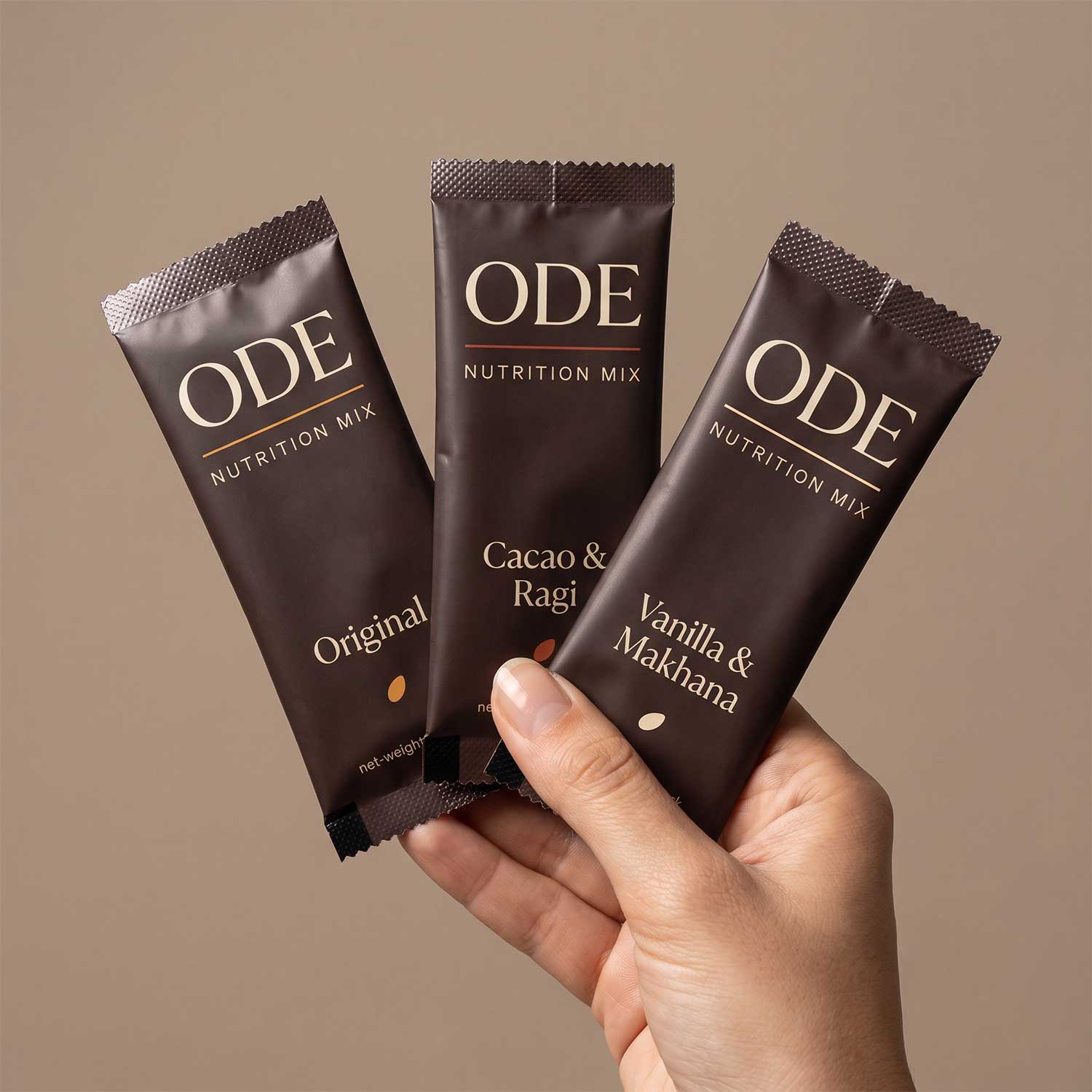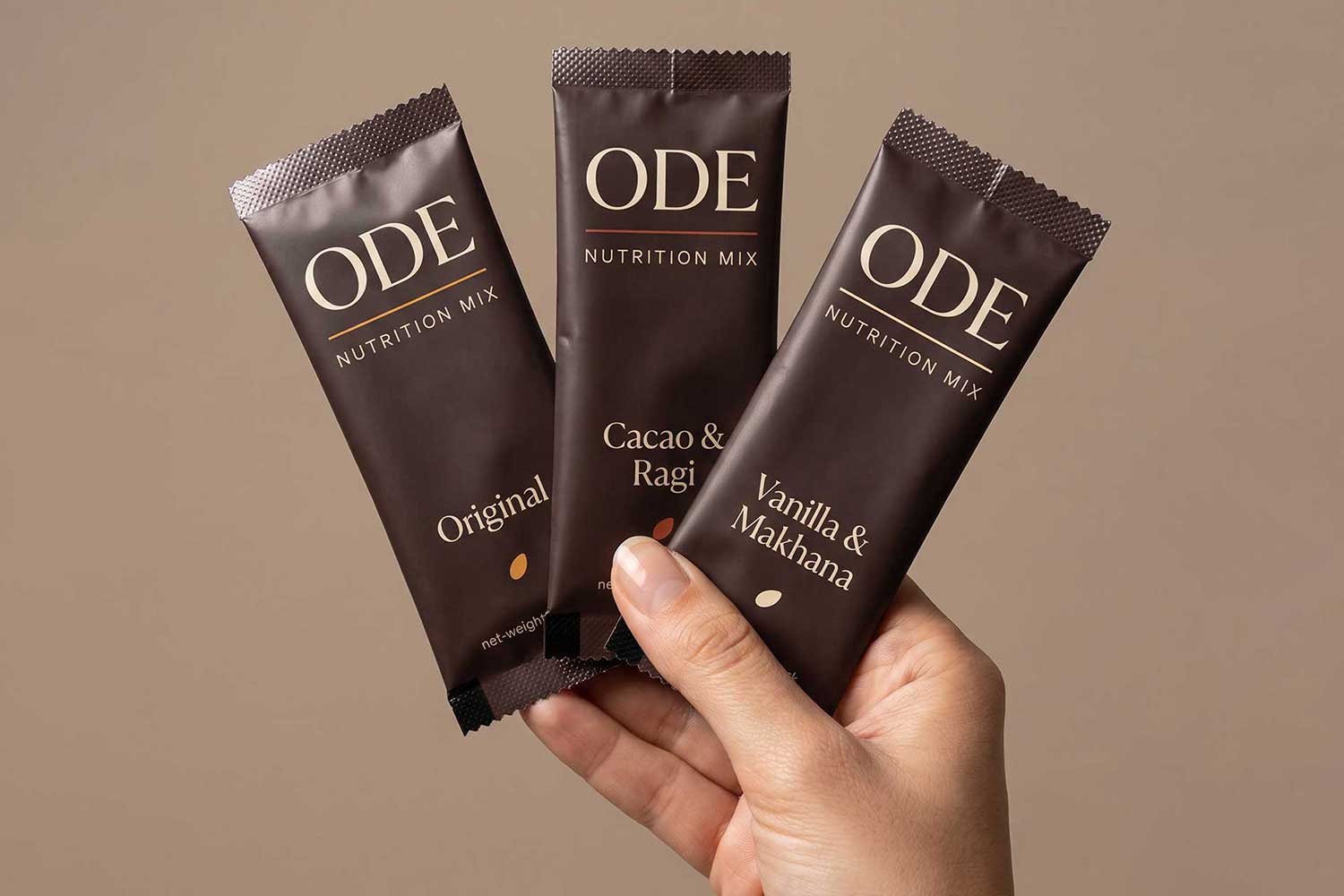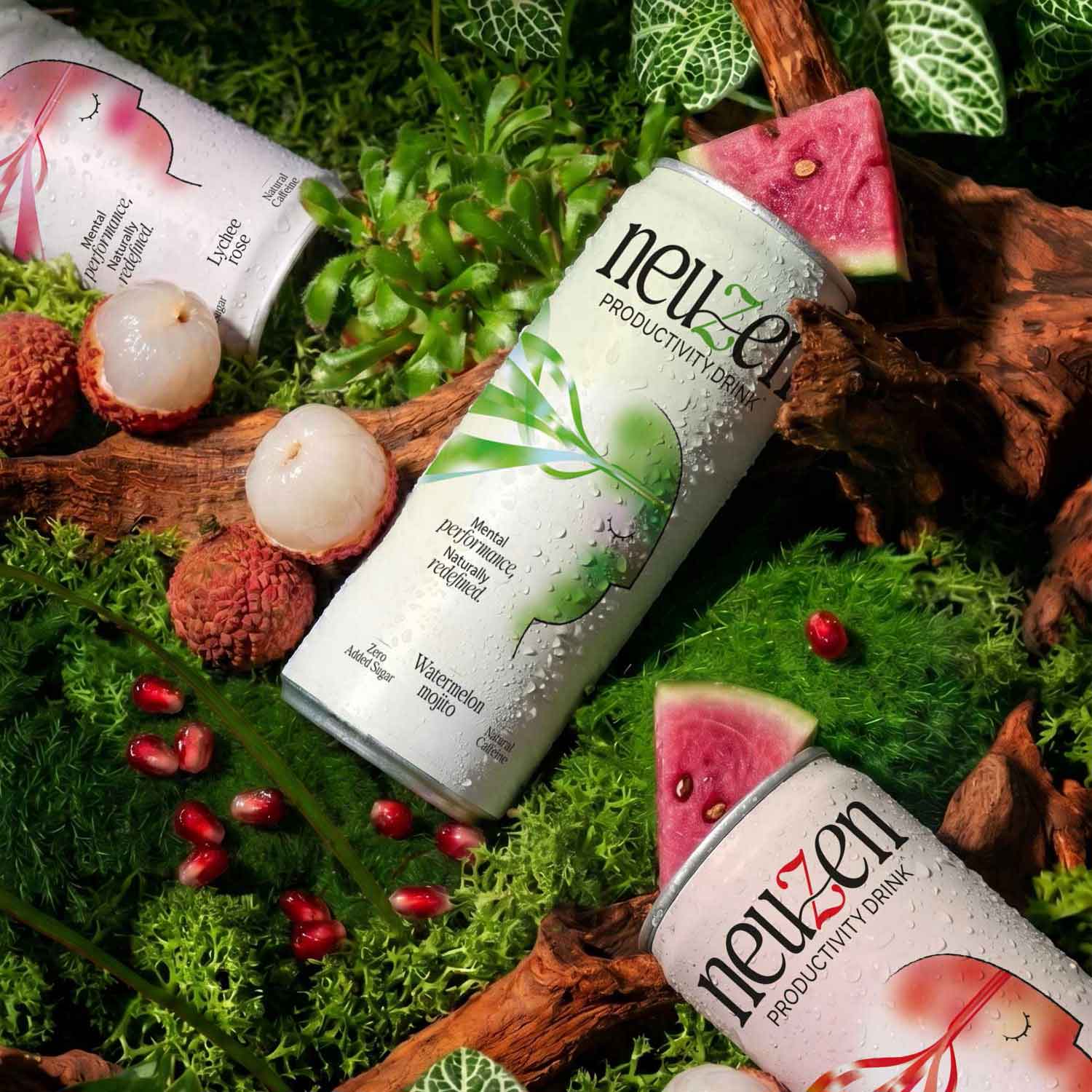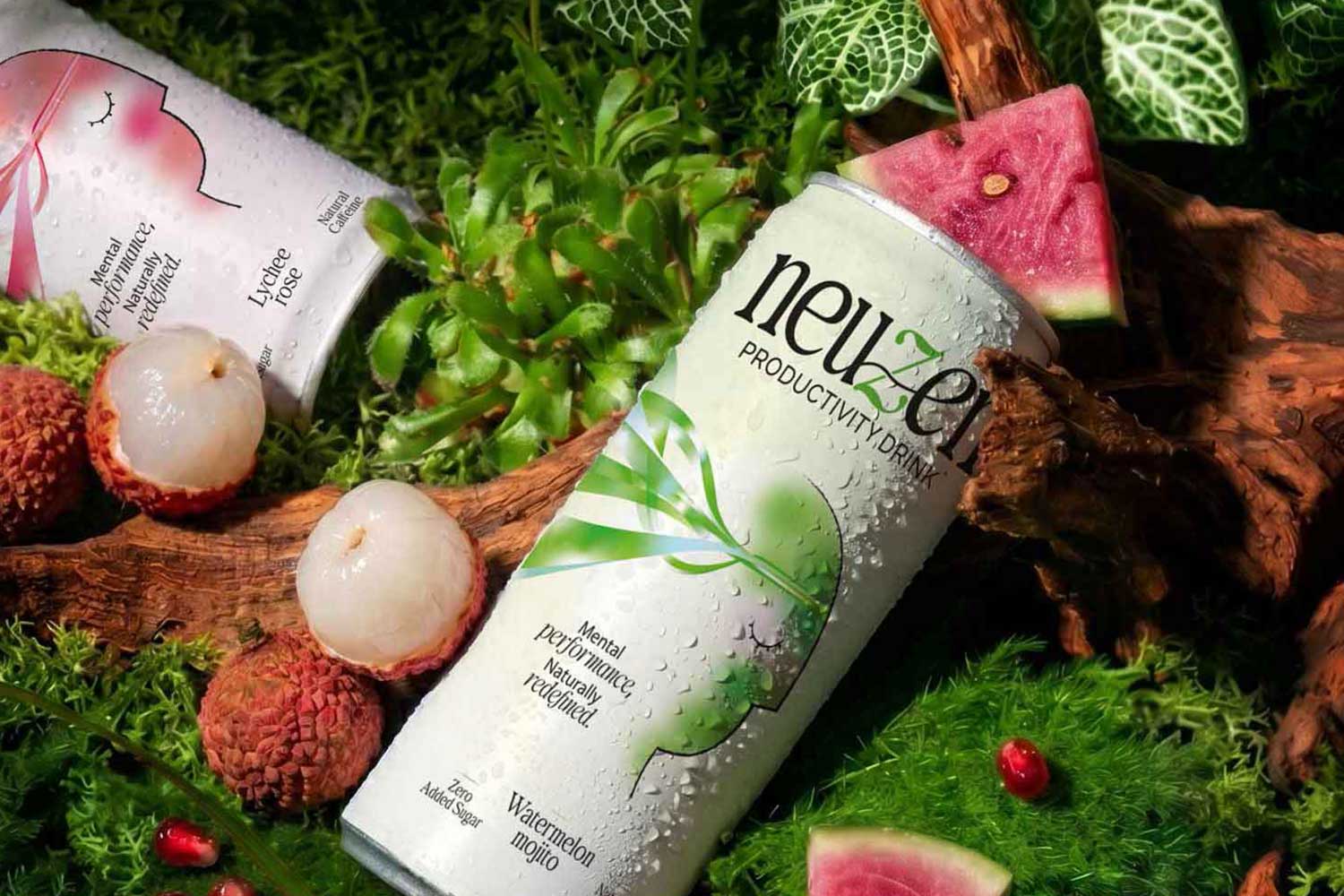
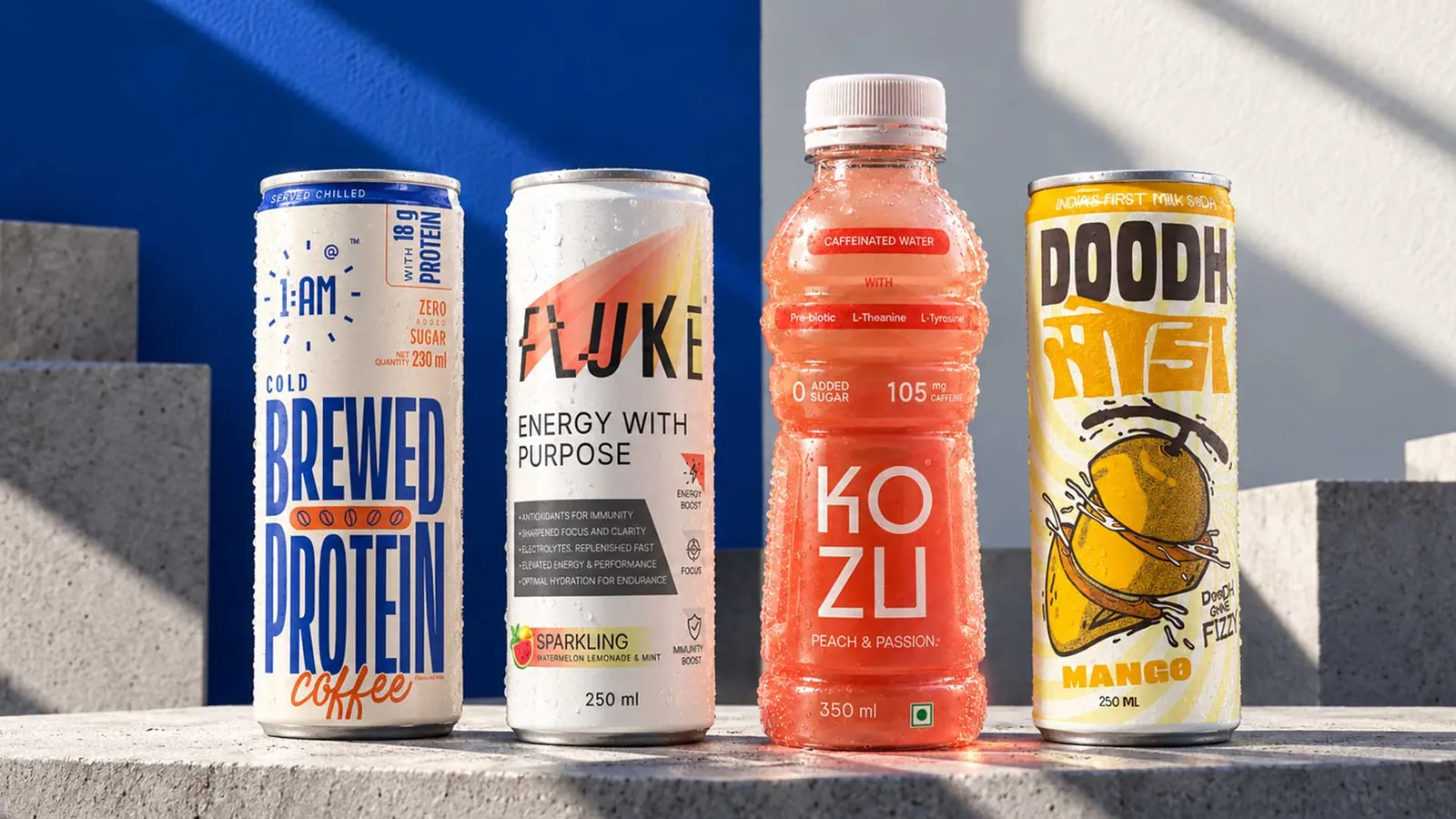
The Beverage Launch Roadmap At A Glance

A typical Indian beverage brand takes 6 to 12 months from idea to shelf. The branding and packaging work should start in month two, not after the formula is locked, because pack format, claims and label space all shape each other.
| Stage | Typical Timing | What Happens | Brand and Packaging Decisions |
|---|---|---|---|
| Idea And Research | Months 1-2 | Category, audience, price point, competitor scan. | Positioning, brand gap, working name. |
| Formulation | Months 2–5 | Recipe, shelf-life tests, ingredient sourcing | Claims you can legally make, flavour names |
| Brand Building | Months 2–4 | Strategy, name, trademark, identity | Logo, colours, type, tone of voice |
| Pack And Manufacturing | Months 3–6 | Co-packer, pack format, supplier quotes | Can vs bottle, printed vs sleeved, dielines |
| Packaging Design | Months 4–6 | Front and back of pack, SKU system, FSSAI label | Claim hierarchy, flavour colour system, compliance check |
| Licences And Production | Months 5–8 | FSSAI licence, trial batch, first production run | Print proofs, colour checks on the actual can |
| Launch | Months 6–12 | Q-commerce, modern trade, D2C site, marketing | Thumbnails, website, social and launch content |
Business Foundations: The Essentials In Brief

Before the brand work, four business decisions need to be in place. Each one changes what your packaging can and must say.
1. Pick A Category You Can Own
Indian shelves already carry colas, juices, energy drinks and packaged water at scale. Newer beverage startups in India are winning in narrower spaces: functional drinks (protein, electrolytes, adaptogens), prebiotic and probiotic sodas, low-sugar sparkling drinks, RTD coffee, and regional flavours made modern. Pick a space where you can be the obvious first choice for one type of buyer.
2. Get Your FSSAI Licence Right
Every food business in India needs FSSAI registration or a licence, based on annual turnover:
| FSSAI Type | Annual Turnover |
|---|---|
| Basic registration | Up to ₹1.5 crore |
| State licence | Above ₹1.5 crore and up to ₹50 crore |
| Central licence | Above ₹50 crore |
If a co-packer makes your drink, both of you need the right licences, and your label must show your licence number.
Category standards matter too. A caffeinated drink, for example, must contain 145–300 mg of caffeine per litre and carry specific warnings (FSSAI). Drinks with novel functional ingredients may fall under FSSAI's nutraceutical or proprietary food rules. Confirm your category with a food regulatory consultant before you design the label.
3. Choose Your Manufacturing Model
Most new brands start with a contract manufacturer (co-packer) rather than their own plant. Ask early about their filling lines: which can and bottle sizes they run, minimum batch sizes, and whether they accept printed cans, sleeved cans or labelled bottles. Your packaging design has to fit their line, not the other way round.
4. Build Pricing Backwards From The Shelf
Start from the price a shopper will pay, then subtract retailer and distributor margins, Q-commerce commissions, GST and logistics. What's left must cover liquid, pack, printing and marketing. Packaging is usually one of the biggest unit costs, often more than the liquid itself, which is why the format decision in the next sections matters so much.
04 · Positioning And NamingStep 1: Positioning And Naming Your Beverage Brand
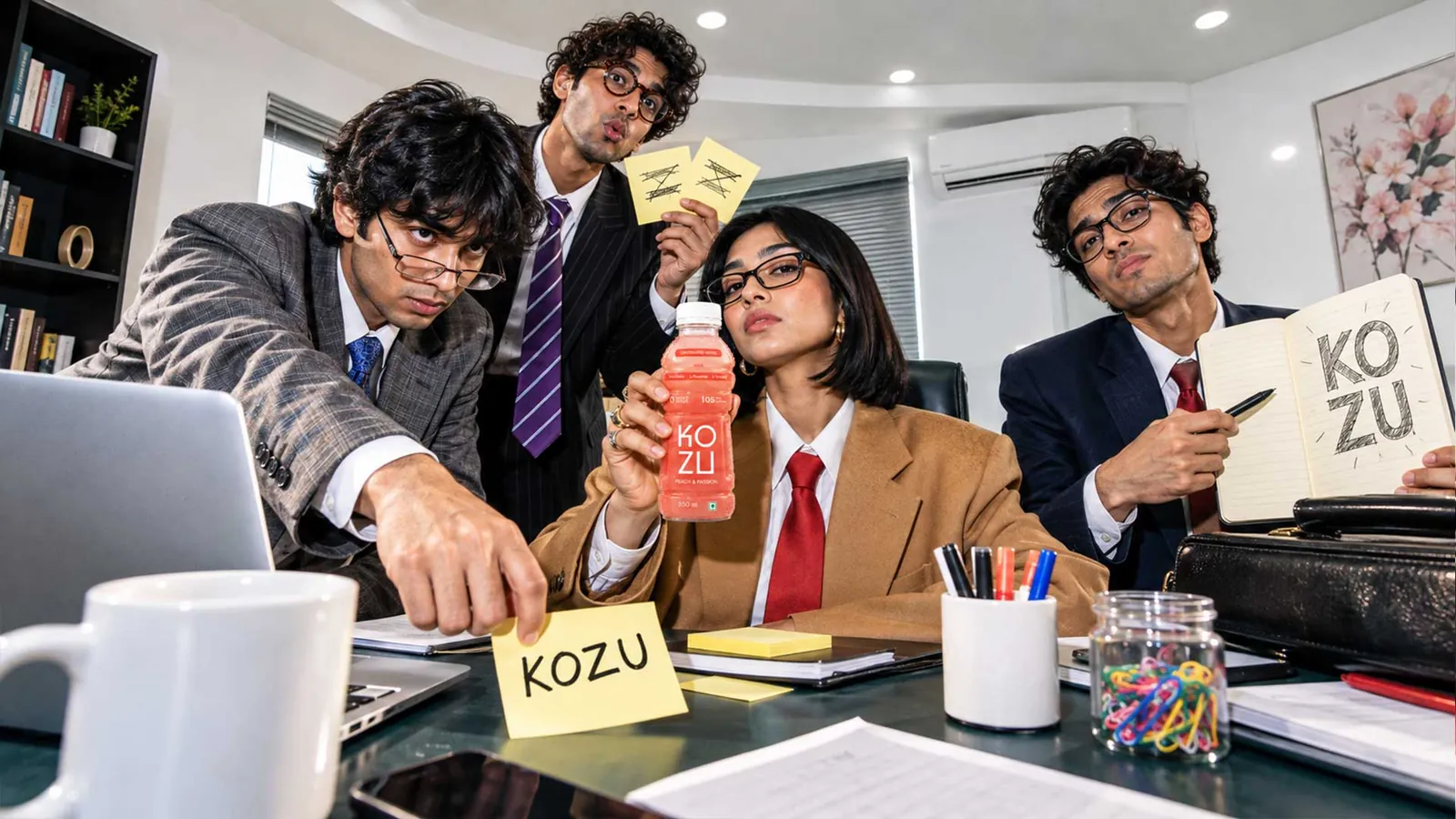
Positioning is the one sentence that decides every design choice after it. Get it wrong, and even beautiful packaging looks like everyone else's.
Find The Gap, Not Just The Category
"A prebiotic soda" is a category. "A prebiotic soda for people who miss cola but want gut health" is a position. Write down:
- Who it's for, as a real person ("a 28-year-old founder working until 1 AM", not "millennials")?
- The moment they reach for it (late-night work, post-gym, afternoon slump, a party mixer)?
- What they drink now and why it falls short?
- The one reason to believe: 18g protein, real fruit, no added sugar, a live culture.
For 1 AM, a protein cold coffee, the gap wasn't "healthy coffee". It was coffee as a badge for people who build things late at night. That one idea shaped the name, the clock-inspired logo, the bold colours and the copy on every can.
Name It For The Shelf And The Search Bar
A good beverage brand name is short, easy to say in Hindi and English, and works as a hashtag and an Instagram handle. Test each shortlisted name for:
- Trademark availability in Class 32 (non-alcoholic drinks) on the IP India public search, and in Class 30 if you might sell powders or coffee later.
- Domain and social handles (.in and .com, Instagram).
- Meaning in regional languages, so you don't launch a name that means something unfortunate in Tamil or Bengali.
- Claim risk: avoid names that sound like a health claim you can't prove, such as "ImmunoBoost".
- Shelf read: can a shopper read it from a metre away on a 250 ml can?
File the trademark before you print. Reprinting cans because of a name dispute is one of the most expensive mistakes a beverage startup can make.
05 · Functional DrinksLaunching A Functional Beverage? What Changes
Functional beverages are the fastest-moving space for new drink brands in India. They also need the most careful branding, because the drink has to look delicious and credible at the same time: not like a supplement, and not like just another soda.
The Functional Drinks Founders Are Launching Now
- Protein drinks and protein coffees, like 1 AM's 18g-protein cold coffee.
- Prebiotic and probiotic sodas that promise gut health with soda taste.
- Electrolyte and hydration drinks for sport, heat and recovery.
- Adaptogen and nootropic drinks for calm, focus or sleep.
- Low-sugar and zero-sugar sparkling drinks with added vitamins or fibre.
What's Different About Branding Them
- Taste first, function second. Shoppers buy a drink to enjoy it. Lead with flavour and mood on the front; let the benefit support it.
- One benefit, made concrete. "Good for your gut" is vague. "6g prebiotic fibre" or "5 billion live cultures" is a reason to believe. Show a number when you can legally claim it.
- Credibility cues without the pharmacy look. Clean ingredient callouts, a simple "what's inside" panel on the back and confident typography signal quality. Clinical blue-and-white layouts make a drink feel like medicine.
- Explain the ingredient once, clearly. If your hero is ashwagandha, inulin or L-theanine, give it one short line on pack and a fuller story on your website and listings.
- Expect closer compliance checks. Functional ingredients can bring a drink under FSSAI's health supplement, nutraceutical or proprietary food rules, and claims are scrutinised more closely. Bring in a regulatory consultant before the label design is final.
Step 2: Choosing Your Beverage Packaging Format
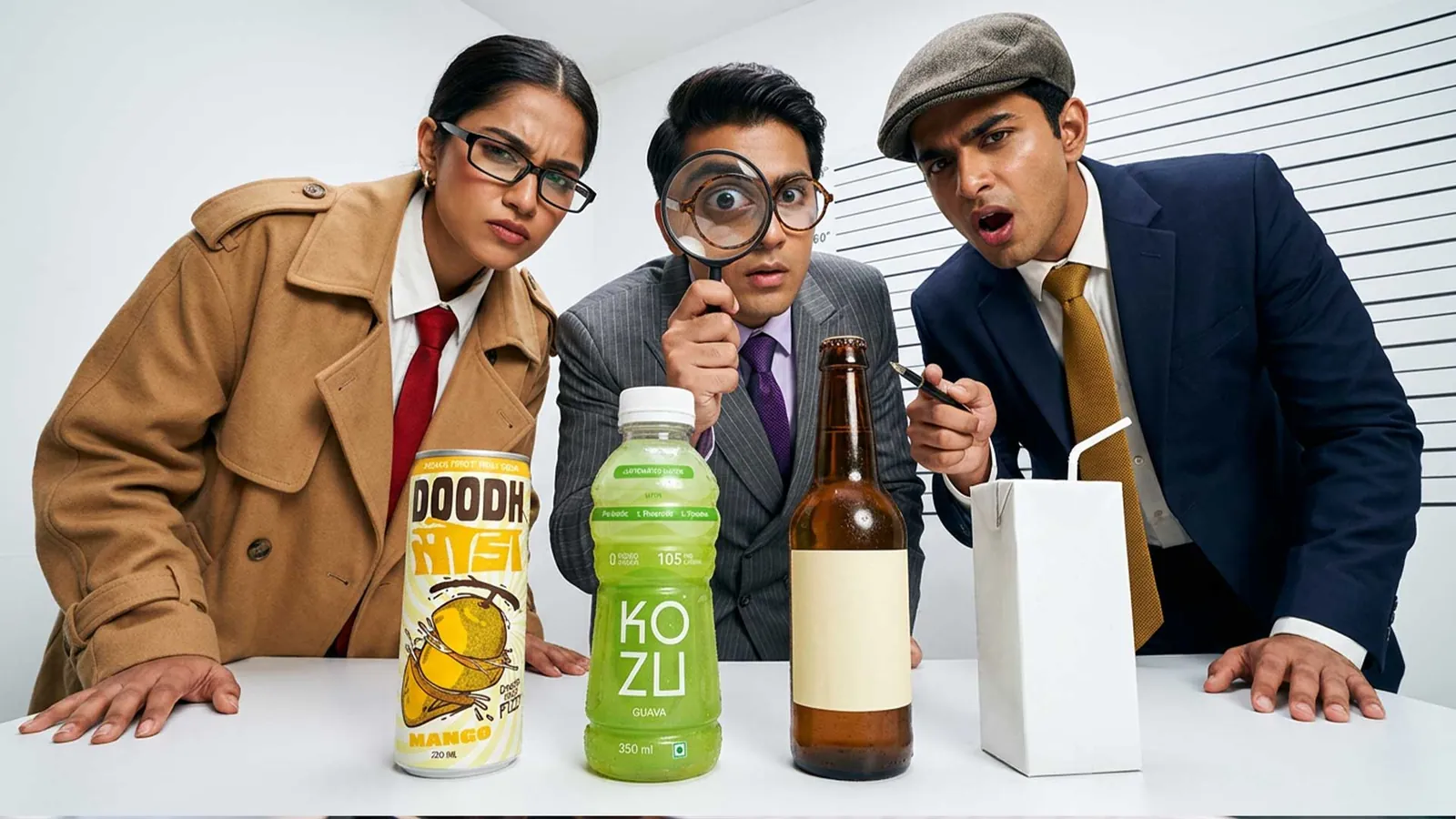
The pack you choose sets your unit cost, your minimum order, how cold your drink feels in the hand and how premium it looks on the shelf. Decide it with your co-packer before design starts.
Can Vs PET Vs Glass
| Format | Best For | Strengths | Watch Out For |
|---|---|---|---|
| Aluminium can (250–330 ml) | Functional sodas, energy drinks, RTD coffee, sparkling drinks | Premium and modern look, chills fast, full 360° branding, recyclable, blocks light | Large minimum orders for printed cans; needs a co-packer with a canning line |
| PET bottle | Juices, electrolyte drinks, flavoured water, larger sizes | Resealable, lighter, lower cost at scale, easy to sample | Can look mass-market; labels limit design area |
| Glass bottle | Kombucha, cold-pressed juice, craft sodas, premium mixers | Feels crafted and premium, good for cafés and gifting | Heavy, breakable, higher freight cost, harder for Q-commerce |
| Tetra Pak | Dairy and plant-based drinks, kids' drinks | Long shelf life without refrigeration | Less premium for functional sodas |
Printed Cans Vs Sleeves Vs Labels
For canned drinks, there are three ways to decorate the can, and the right one depends on your volumes:
- Printed (offset) cans: the design is printed directly on the aluminium. The most premium finish, and the cheapest per can at high volume. The catch is the minimum order, which with the large can makers commonly runs to a lakh or more cans per design. Confirm the exact number with your supplier.
- Shrink sleeves on plain cans: a printed film shrunk around a blank can. Full coverage, photographic detail and much smaller runs, so you can launch four flavours without stocking lakhs of cans. Slightly higher cost per can.
- Pressure-sensitive labels: a sticker label on a plain can. The lowest minimums, ideal for test batches and pilot runs, but less premium and harder to make look seamless.
A common path is sleeves or labels for the first 6–12 months while you learn which flavours sell, then printed cans for your best sellers.
Designing For The Actual Pack
Ask your supplier for the exact dieline (the flat template of the can or label) before design starts. A 250 ml slim can has a very different front face from a 330 ml standard can. Seams on sleeves, the overlap on labels and the unprintable zones near the rim all change where your logo and claims can sit.
07 · Front Of PackStep 3: Front-Of-Pack Design And FSSAI Labelling For Functional Drinks
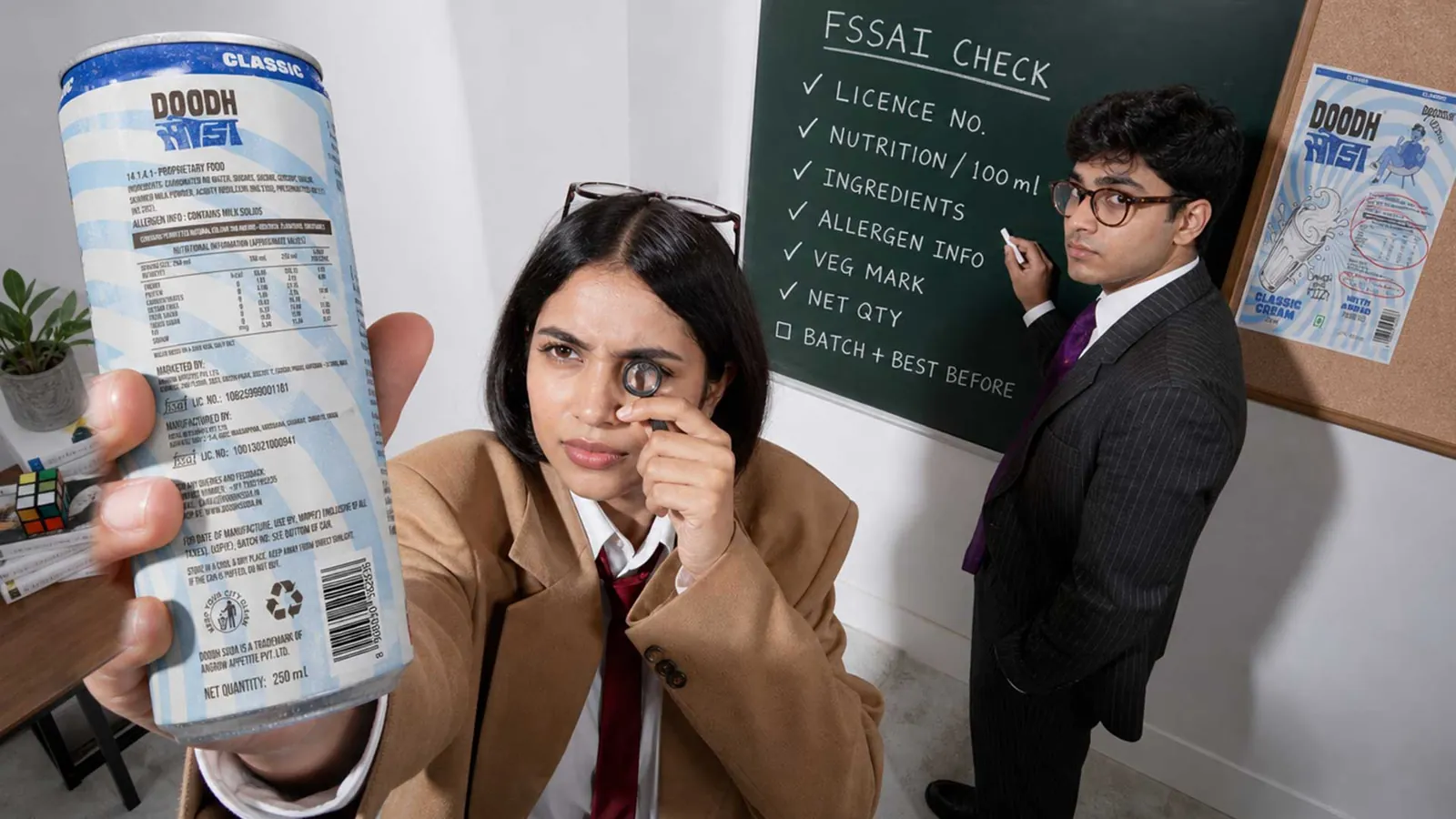
A can has room for about three messages on its front. Functional drinks usually want to say six. Deciding what goes on the front, and what moves to the back, is the most important packaging decision you'll make.
The Front-Of-Pack Hierarchy
Read in order from a metre away, the front of a functional beverage can should answer:
- What brand is this? The logo, large and in the same place on every flavour.
- What is it? "Prebiotic Soda", "Protein Cold Coffee", "Electrolyte Drink". Shoppers can't buy what they can't identify.
- Which flavour? Led by colour first, words second.
- Why this one? One hero claim, such as "18g protein", "3g sugar" or "5 billion live cultures". Only one gets top billing.
Everything else (secondary claims, ingredient story, brand manifesto) belongs on the back or side. On a protein coffee like 1 AM's Brewed Protein, "18g protein" is the obvious hero claim; on its lactose-free variants, "lactose-free" earns a clear secondary spot.
What FSSAI Requires On The Label
Under the FSS (Labelling and Display) Regulations, 2020, packaged drinks must carry, among other things:
- Name of the food
- List of ingredients
- Nutritional information
- Declaration of food additives
- Instruction for use
- Name and full address of the brand owner and manufacturer
- FSSAI logo and licence number
- Net quantity, retail sale price (MRP) and consumer care details
- Batch or lot number
- Date marking (best before or use by)
- The veg or non-veg symbol
- Allergen declarations where relevant
Plan space for all of these from the first sketch. A label that has to be redesigned after the compliance check usually loses its best design ideas.
Functional And Health Claims
Functional beverages live or die by their claims, and FSSAI regulates them closely under the FSS (Advertising and Claims) Regulations, 2018:
- Nutrient claims have thresholds. "Source of protein" and "high protein" each require a minimum share of the recommended daily allowance per serving or per 100 g/ml (FSSAI). Check your lab report against the current thresholds before printing the number.
- No disease claims. A drink can't claim to cure, prevent or treat any disease. "Supports digestion" may be acceptable with evidence; "cures acidity" is not.
- Caffeinated drinks carry warnings. The label must say not to consume more than 500 ml a day and that the drink is not recommended for children, pregnant or lactating women, or people sensitive to caffeine (FSSAI). Design these in clearly; don't hide them.
- Words like "natural", "fresh" and "pure" have conditions attached. Use them only if your product meets them.
Have a regulatory expert review the final artwork before it goes to print. It's a small cost compared with recalling a production run.
Want to see a beverage pack system on real cans? Explore our beverage work
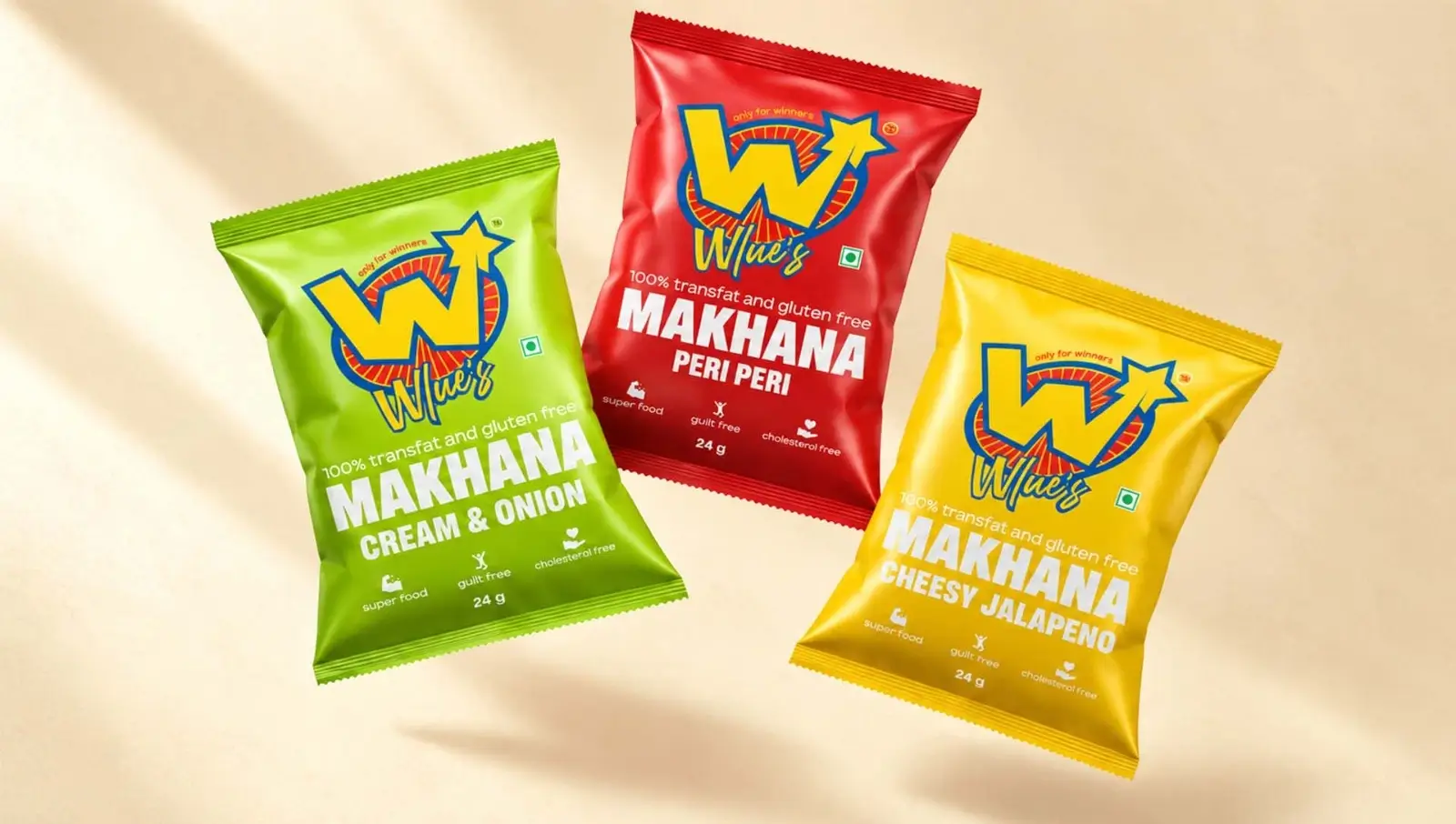
Step 4: Building A Flavour And SKU System
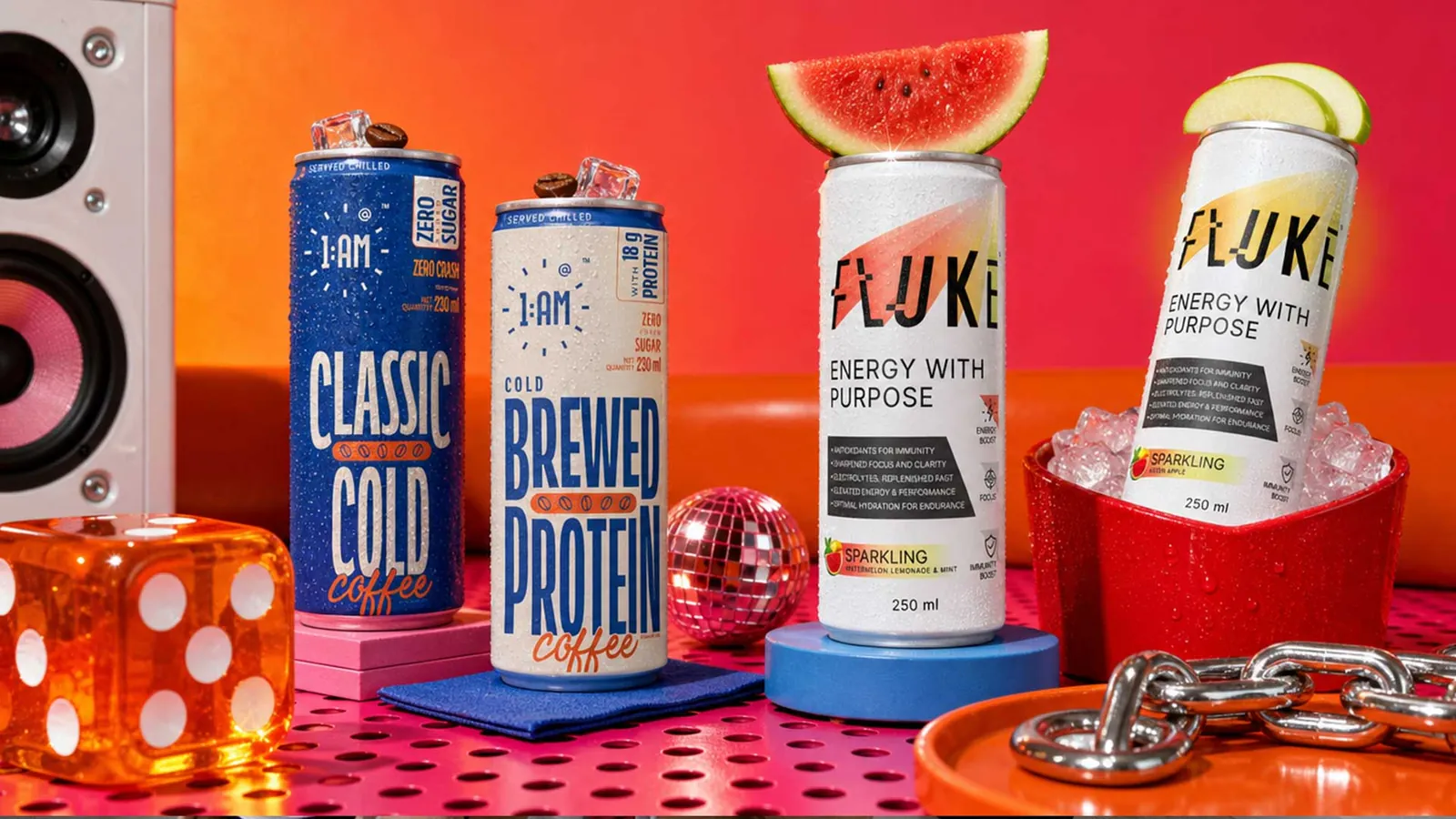
Most beverage brands launch with two to four flavours and grow to eight or more. Design the system for eight on day one, even if you only print three.
A strong SKU system has fixed elements and flexible ones:
- Fixed on every can: logo size and position, typeface, the product descriptor, the claim's position, the layout grid. These build recognition across the range.
- Flexible per flavour: a colour, an ingredient illustration or pattern, the flavour name. These help shoppers find their favourite in a second.
Colour does most of the work. Give each flavour a distinct base colour that hints at the taste (yellow for yuzu or lemon, deep red for berry) and check that no two flavours look alike under fridge lighting.
1 AM launched five SKUs (Brewed Protein, Classic Cold, and three lactose-free flavours) on one bold system, so the range reads as a single brand block on the shelf.
Plan for range extensions too: a sugar-free line, a larger can, a multipack, a limited edition. A good system absorbs them without a redesign.
09 · Quick CommerceStep 5: Designing For Blinkit, Zepto And The Fridge
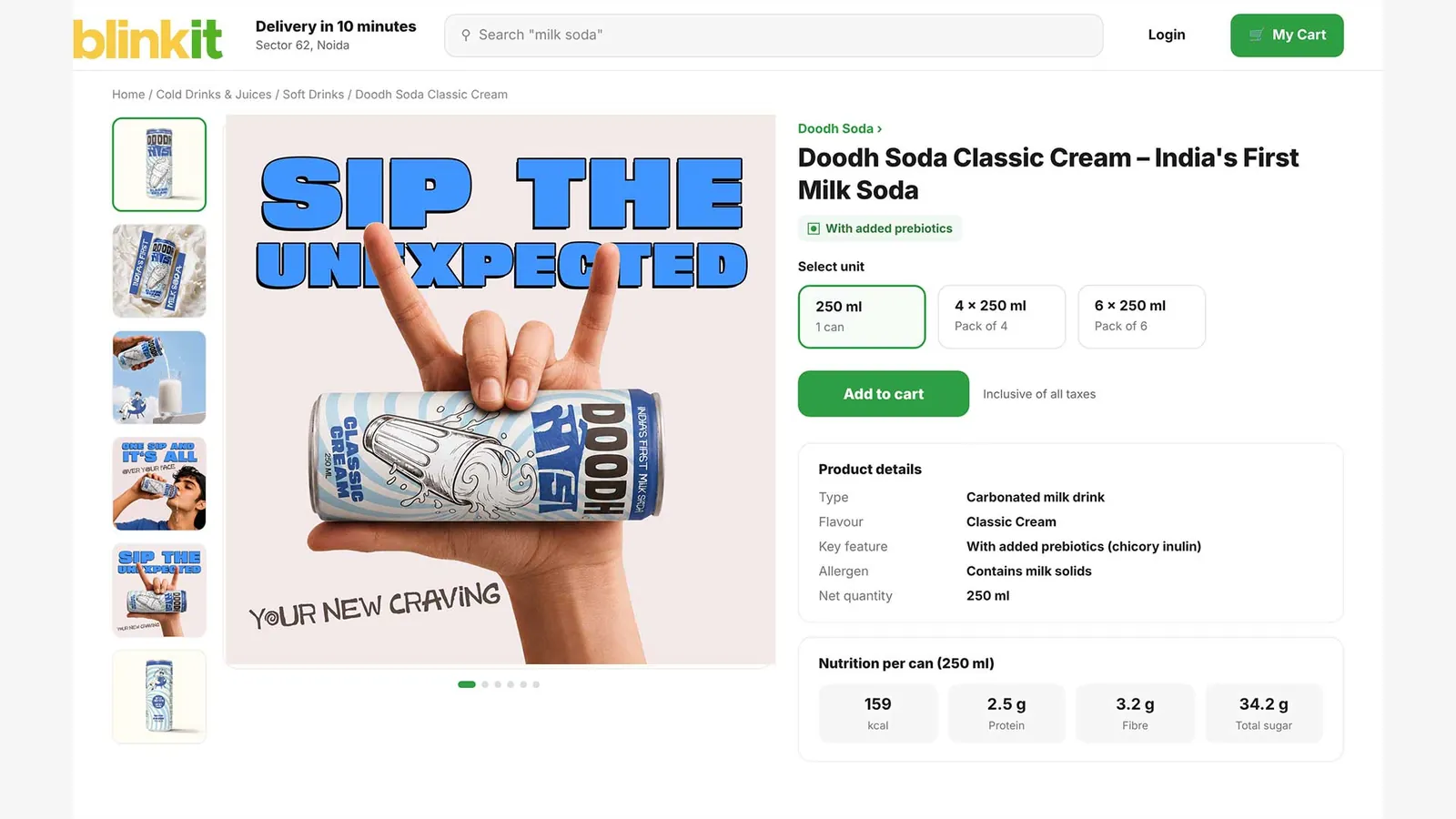
For many new beverage brands in India, quick commerce is the first and biggest sales channel. That changes how packaging must be designed.
The Thumbnail Test
On Blinkit, Zepto, Swiggy Instamart and BigBasket, your can appears as a small square image among a dozen competitors. Before you approve any design:
- Shrink the front of the can to about 150 pixels wide on a phone screen.
- Check you can still read the brand name and tell what the drink is.
- Check the flavour colour still stands out against the white background of the app.
- Compare it side by side with the top five drinks in your category.
If it fails, simplify: a bigger logo, fewer words, stronger colour contrast. Many beautiful cans fail this test because of fine detail that disappears at small sizes.
Your Listing Images Matter As Much As The Can
Q-commerce listings usually allow several images. Use them as a mini sales pitch: the front of the can, the hero claim as a clean graphic, the nutrition panel, the flavour range, and a lifestyle shot. Plan these images alongside the packaging, not after launch.
The Fridge And The Shelf
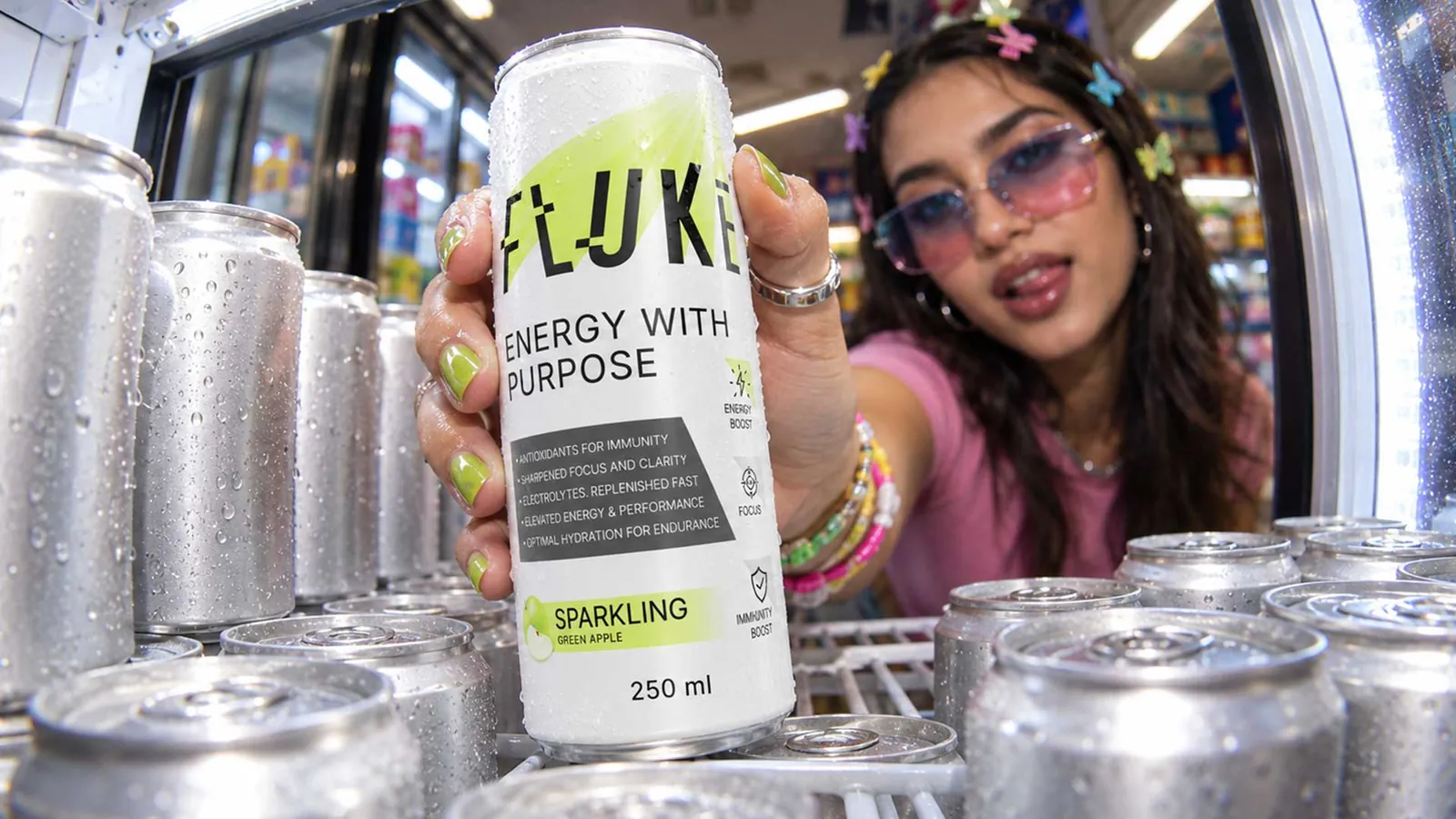
In cafés, gyms and modern trade, your drink sits in a fridge with glass doors, often behind condensation and under cool white light. Test printed samples in a real fridge. Dark, muted colours that look premium on a laptop can turn into a dark blur behind glass. Bright, high-contrast fronts and a clear logo near the top of the can tend to win.
Step 6: Beverage Branding And Packaging Design Costs And Timelines
Some guides put branding and packaging design for a beverage startup at ₹30,000 to ₹1.5 lakh. That budget buys a label, not a brand. Here is what different budgets typically get you in India.
Please note: These are indicative market ranges; every brief is different.
| Who You Hire | Typical Budget (Brand + 3–4 SKUs) | What You Usually Get |
|---|---|---|
| Freelancer | ₹30,000 – ₹1 lakh | Logo and label artwork; little strategy or compliance support. |
| Small Generalist Studio | ₹1.5 – 4 lakh | Identity and packaging, limited category experience. |
| Beverage-Specialist Studio | ₹4 – 12 lakh | Strategy, naming support, identity, SKU system, dielines, FSSAI-ready artwork, print support, Q-commerce assets. |
| Large Branding Agency | ₹15 lakh and above | Full strategy, research and design teams; slower and costlier for a startup. |
How Long It Takes
| Phase | Typical Duration |
|---|---|
| Strategy And Positioning | 1–2 weeks |
| Naming And Trademark Checks (If Needed) | 2–3 weeks |
| Brand Identity | 2–3 weeks |
| Packaging Design For The Launch Range | 3–4 weeks |
| Artwork, Compliance Check And Print Proofs | 1–2 weeks |
| Total | About 8–14 weeks |
Build in time for printing too. Sleeve and label printers, and especially printed-can runs, have their own lead times that often add several weeks before you see stock.
11 · Common Mistakes10 Mistakes Beverage Founders Make With Brand And Packaging

These are the patterns we see most often when founders come to us after a first launch.
- Designing before the pack format is fixed. The artwork gets redone when the co-packer only runs a different can size.
- Leading with five claims. When everything shouts, nothing is read. Pick one hero claim.
- Copying the category leader. Looking like Red Bull or a kombucha brand you admire makes you the cheaper-looking version of it.
- Ignoring the thumbnail. Most first sales happen on a phone screen, not on a shelf.
- No system for new flavours. Every new SKU becomes a one-off design, and the range stops looking like one brand.
- Leaving compliance to the end. FSSAI text squeezed in at the last minute ruins the layout or forces a reprint.
- Printing too many cans too early. Lakhs of printed cans for an untested flavour tie up cash. Start with sleeves or labels.
- Skipping the trademark check. A name dispute after launch means new cans, new listings and lost recall.
- Never testing a printed sample. Colours on screen are not colours on aluminium or under fridge light.
- Treating the website and listings as an afterthought. The can, the Q-commerce images and the website should launch as one brand.
What Good Looks Like
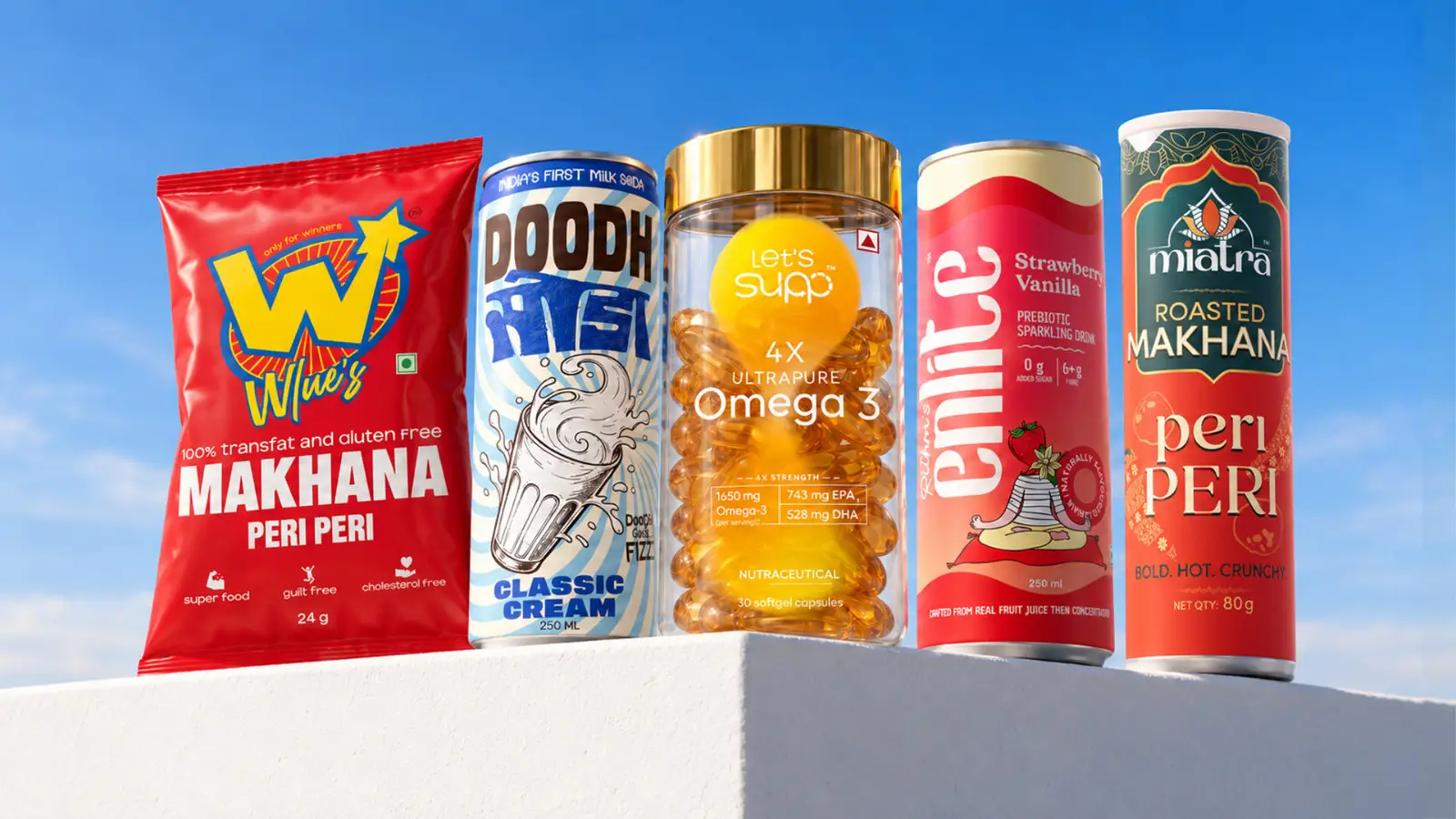
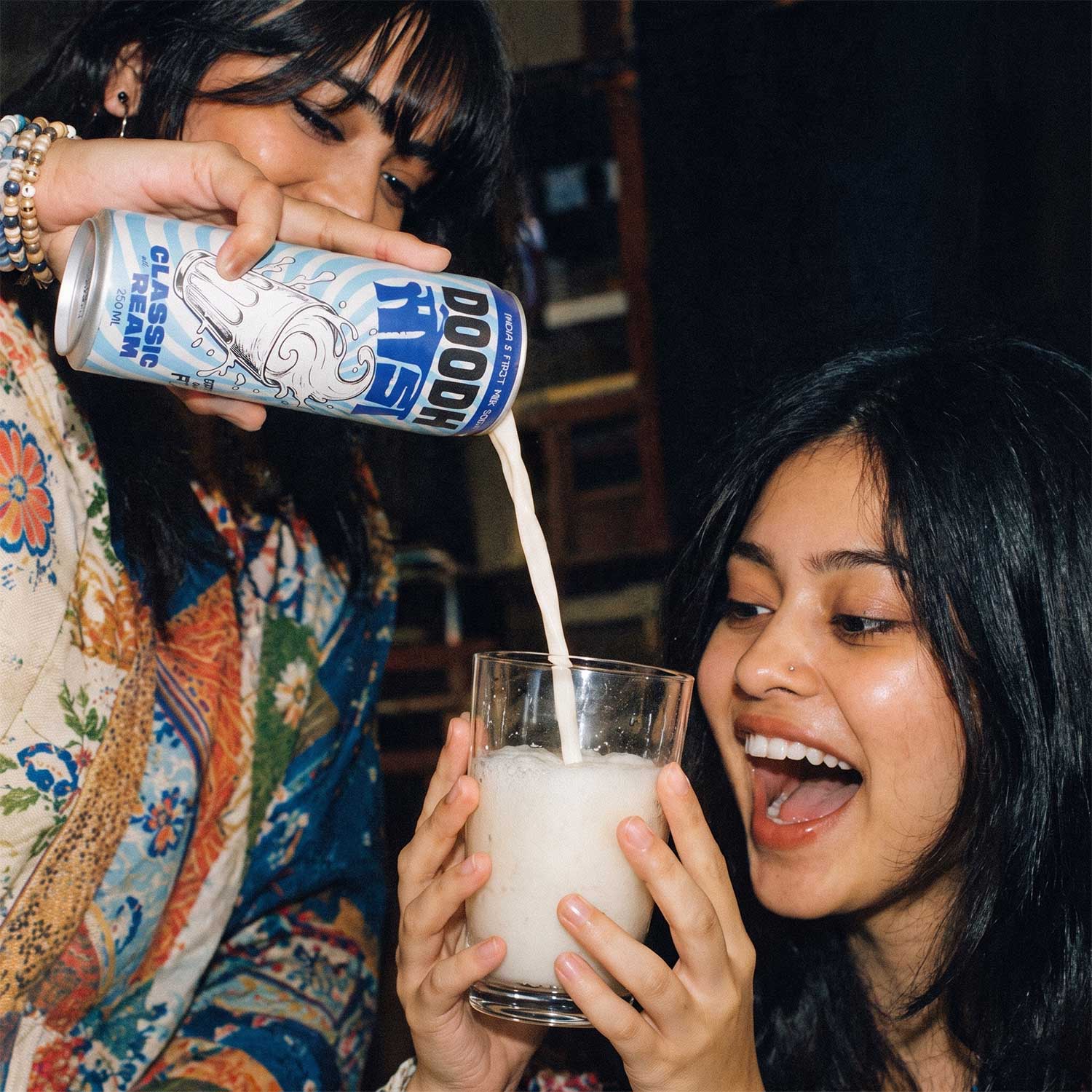
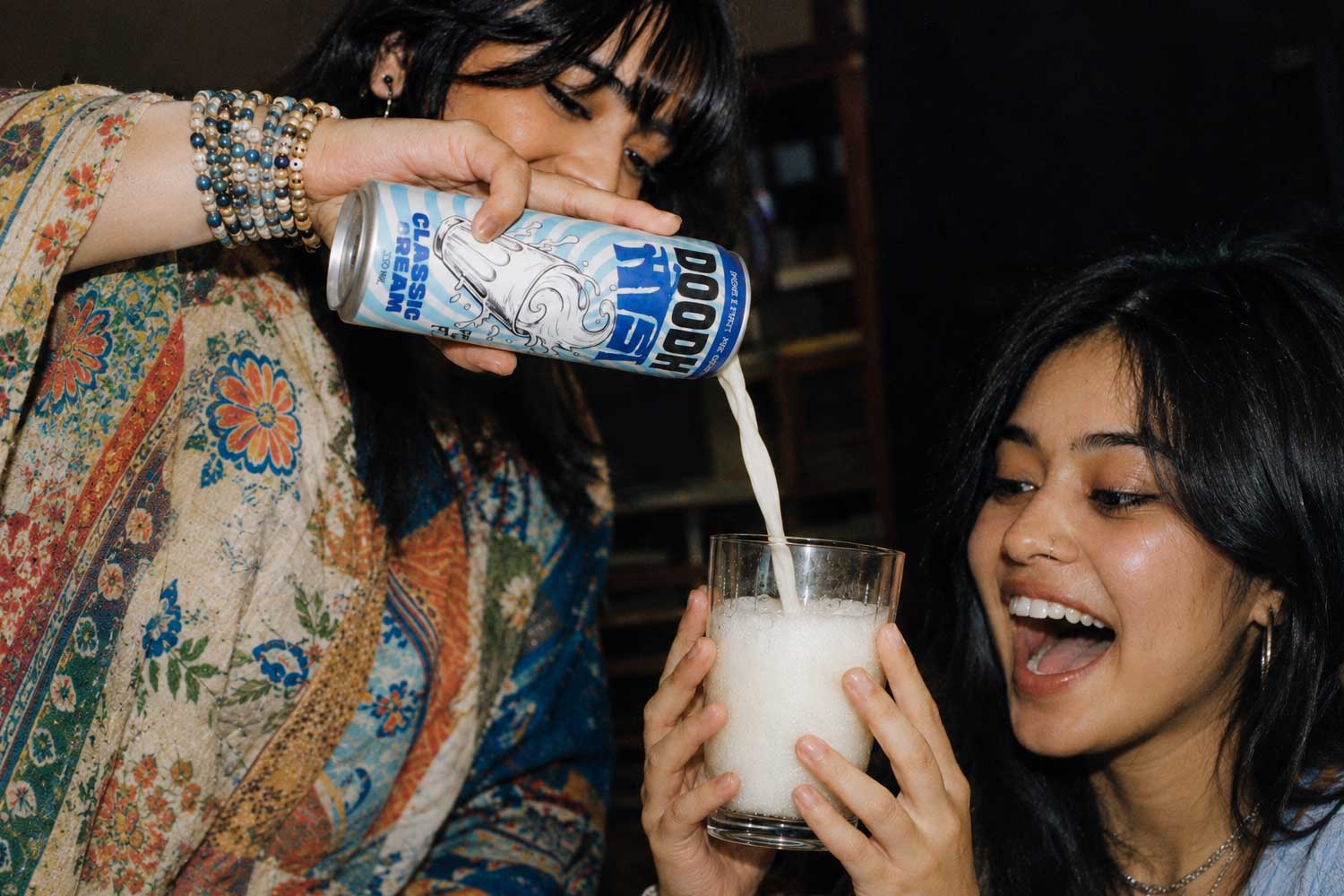
The beverage brands we've designed, including 1 AM (protein cold coffee), Enlite and Doodh Soda, share three things: a sharp position, one hero message per pack, and a system that keeps every flavour unmistakably part of one brand.
Frequently Asked Questions
How much does it cost to start a beverage brand in India?
It depends on your category, pack and volumes. Beyond formulation, licences and the first production run, budget for brand and packaging design (typically ₹4–12 lakh with a beverage-specialist studio), packaging materials and printing, Q-commerce listing and launch marketing. Packaging is often one of the largest per-unit costs.
Do I need an FSSAI licence to sell drinks made by a co-packer?
Yes. As the brand owner, you need your own FSSAI registration or licence, based on turnover, and your licence number must appear on the label alongside the required manufacturer details.
Should I launch in cans or bottles?
Cans suit functional sodas, energy drinks, RTD coffee and sparkling drinks: they look premium, chill fast and offer full 360° branding. PET suits juices, electrolyte drinks and larger sizes. Glass suits kombucha and craft drinks sold in cafés.
Printed cans or shrink sleeves for a new brand?
Most new brands start with shrink sleeves or labels on plain cans because the minimum orders are far lower. Move your best sellers to printed cans once volumes justify it.
What should go on the front of a functional drink can?
Your logo, what the drink is (for example, "Prebiotic Soda"), the flavour, and one hero claim. Everything else belongs on the back.
Can I say my drink boosts immunity or improves gut health?
Only within FSSAI's claims rules. Nutrient claims must meet set thresholds, any health claim needs scientific backing, and disease claims are not allowed. Have a regulatory expert review your artwork before printing.
How long does beverage packaging design take?
About 8–14 weeks from strategy to print-ready artwork for a launch range of three to four flavours, plus printing lead times.
Why hire a beverage-specialist design agency?
A specialist already knows can dielines, sleeve printing, claim hierarchy, FSSAI layouts and how drinks perform on Q-commerce, so you avoid costly reprints and launch faster.