How Many Types Of Beverages Are There?
There is no single official count. Most guides start with two types, alcoholic and non-alcoholic, then divide non-alcoholic drinks into stimulating, refreshing and nourishing. That gives the common "four types of beverages" answer. In practice, the beverage market is easier to understand through about ten product categories, from water and soft drinks to functional and ready-to-drink beverages.
The three-way split of non-alcoholic drinks (stimulating, refreshing and nourishing) comes from hospitality training. It still explains why people reach for a drink, but it was not built for a market where one can of cold coffee is stimulating, refreshing and high in protein at the same time.
For brand owners, the classification that matters most is the regulatory one. India's food regulator sorts drinks into food categories, and the category your product falls into decides its legal name, its ingredients and the claims you can print. For example, FSSAI allows the term "energy drink" only for water-based flavoured drinks under food categories 14.1.4.1 and 14.1.4.2, and says "health drink" is not defined anywhere in Indian food law.
| Lens | Groups | Examples |
|---|---|---|
| Alcohol content | Alcoholic, non-alcoholic, low or no alcohol | Beer, wine and spirits; juice and tea; alcohol-free beer |
| Purpose | Stimulating, refreshing, nourishing | Coffee and tea; soda and nimbu pani; milk, lassi and smoothies |
| Serving temperature | Hot beverages, cold drinks | Masala chai and filter coffee; cold coffee, colas and iced tea |
| Market category | Water, carbonated soft drinks, juices, tea and coffee, dairy, plant-based, traditional, functional, ready-to-drink, alcoholic | Covered category by category below |
Non-Alcoholic Beverages: Categories And Examples
Non-alcoholic beverages make up most of what Indian shoppers buy, and most new drink brands launch here. The table below lists the main categories, their subtypes and common examples, followed by what sets each one apart.
| Category | Subtypes | Examples | Typical Pack |
|---|---|---|---|
| Water | Packaged drinking water, natural mineral water, sparkling and flavoured water | Bottled water, soda water, lemon-infused water | PET bottle, glass, jar |
| Carbonated soft drinks | Cola, lemon-lime, orange, clear lemon, masala and jeera soda, tonic and mixers | Thums Up, Sprite, Fanta, Limca, Campa Cola | Can, PET, returnable glass |
| Juices and fruit drinks | 100% juice, nectar, fruit drink, cold-pressed juice, vegetable juice | Orange juice, mango drink, coconut water | Carton, PET, glass |
| Tea and coffee | Hot tea and coffee, iced tea, cold brew, herbal infusions | Masala chai, filter coffee, green tea, chamomile | Pouch, jar, tea bags; cans for RTD |
| Dairy drinks | Flavoured milk, lassi, chaas, milkshakes, malted drinks | Rose milk, mango lassi, masala buttermilk | Tetra Pak, PET, pouch, glass |
| Plant-based drinks | Soy, almond, oat, coconut and rice drinks | Unsweetened almond drink, oat barista blend | Carton |
| Mixers, mocktails and boba | Tonic and ginger ale, cocktail mixers, alcohol-free spirits, bubble tea | Tonic water, mocktail premixes, boba milk tea | Glass, can, sealed cup |
| Traditional Indian drinks | Coolers, digestives, seasonal tonics | Nimbu pani, aam panna, jaljeera, sattu sharbat, kokum, sol kadhi | Glass, PET, can, concentrate bottle |
Water And Sparkling Water
Water is the largest everyday drink and the simplest product, which makes it one of the hardest to brand. Plain packaged water competes on trust and availability. Sparkling, flavoured and mineral waters compete on taste and occasion, which gives a brand far more room for personality.
Carbonated Soft Drinks (Types Of Cold Drinks)
When people in India search for "cold drink names", they usually mean carbonated soft drinks. The main types of cold drinks are colas, lemon-lime sodas, orange and fruit-flavoured sodas, clear lemon drinks, Indian-spiced sodas like jeera and masala soda, and mixers such as tonic water and ginger ale. Newer launches add prebiotic fibre, real fruit, milk or less sugar to the same fizzy format.
Juices, Nectars And Fruit Drinks
These three are not the same product. Under FSSAI's standards, a fruit nectar needs at least 20% fruit juice (40% for orange and pineapple), and a fruit drink at least 10% (5% for lime and lemon). The name on your label has to match the juice content, so the category is set by the formula, not by the design.
Tea, Coffee And Breakfast Beverages
Tea and coffee are India's default stimulating drinks, and most are still brewed at home from leaf, powder or beans. Common breakfast beverage names include masala chai, filter coffee, milk, malted drinks, fresh juice, buttermilk and smoothies. Their cold, bottled versions are covered under ready-to-drink beverages below.
Dairy And Plant-Based Drinks
Dairy drinks such as flavoured milk, lassi and chaas are nourishing drinks with strong regional roots. Plant-based drinks made from soy, almond, oats or coconut serve vegan and lactose-free buyers. Whether these products can use dairy terms such as "milk" on the label has been disputed in India, so confirm the current FSSAI position before you name a plant-based product.
Mixers, Mocktails And Boba Drinks
Drinks made for social occasions are a growing corner of the non-alcoholic shelf. Cocktail mixers and mocktail premixes sell to bars, cafés and home hosts, while bubble tea (milk tea or fruit tea with chewy tapioca pearls) has moved from specialty cafés into sealed, ready-to-drink cups. Both sell on the experience first, so the brand has to look like the occasion it promises.
Two brands from our portfolio sit in this space: Mr. Bomzy, a cocktail mixer brand, and Bobalist, a boba drinks brand. Both appear in motion in our beverage work below.
Traditional Indian Beverages
Nimbu pani, aam panna, jaljeera, sattu, kokum sharbat, sol kadhi, thandai and coconut water are some of the most distinctive drinks in the world, and most are still made at home or sold loose. Packaged versions give brands a familiar taste with a ready story, which is why regional flavours made modern keep appearing on quick-commerce apps.
03 · Functional BeveragesWhat Are Functional, Health And Wellness Beverages?
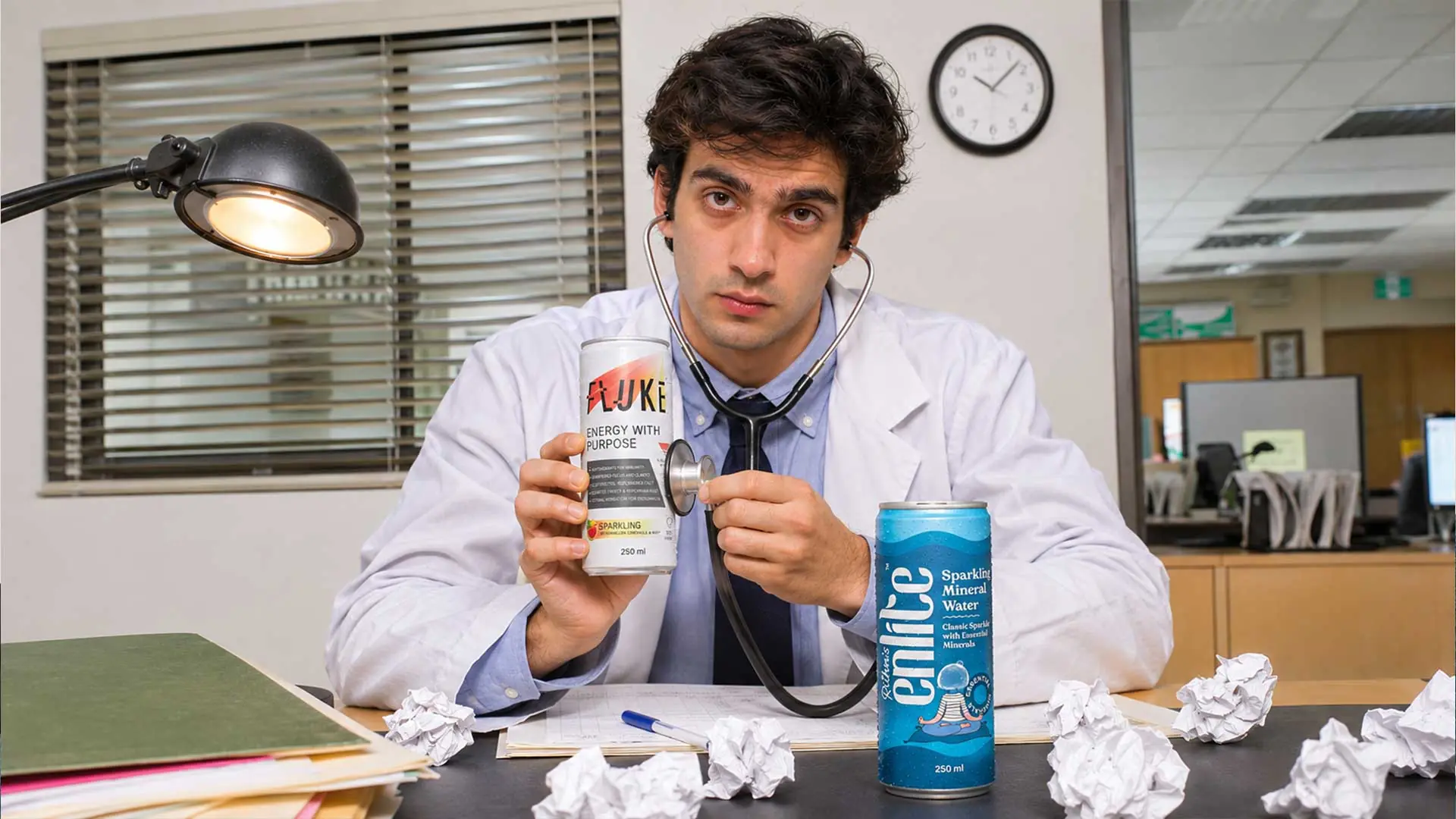
Functional beverages are drinks made to do something beyond hydration or taste, such as restoring electrolytes, adding protein, supporting gut health or delivering caffeine. They include sports and electrolyte drinks, caffeinated drinks, protein drinks, prebiotic and probiotic drinks, and fortified or adaptogen drinks. They are the most claim-sensitive category in India.
This is the busiest space for new drink brands, and also the most regulated. Every functional promise on the front of a pack has to be backed by the formula and allowed by FSSAI's claims rules.
| Type | What It Does | Examples | Watch For |
|---|---|---|---|
| Sports and electrolyte drinks | Replaces fluids and salts lost through sweat or heat | Electrolyte drinks, ORS-style hydration drinks | Clear usage occasion; sugar levels |
| Caffeinated beverages | Delivers caffeine for alertness | Sting, Red Bull, caffeinated water | Caffeine limits and warnings (below) |
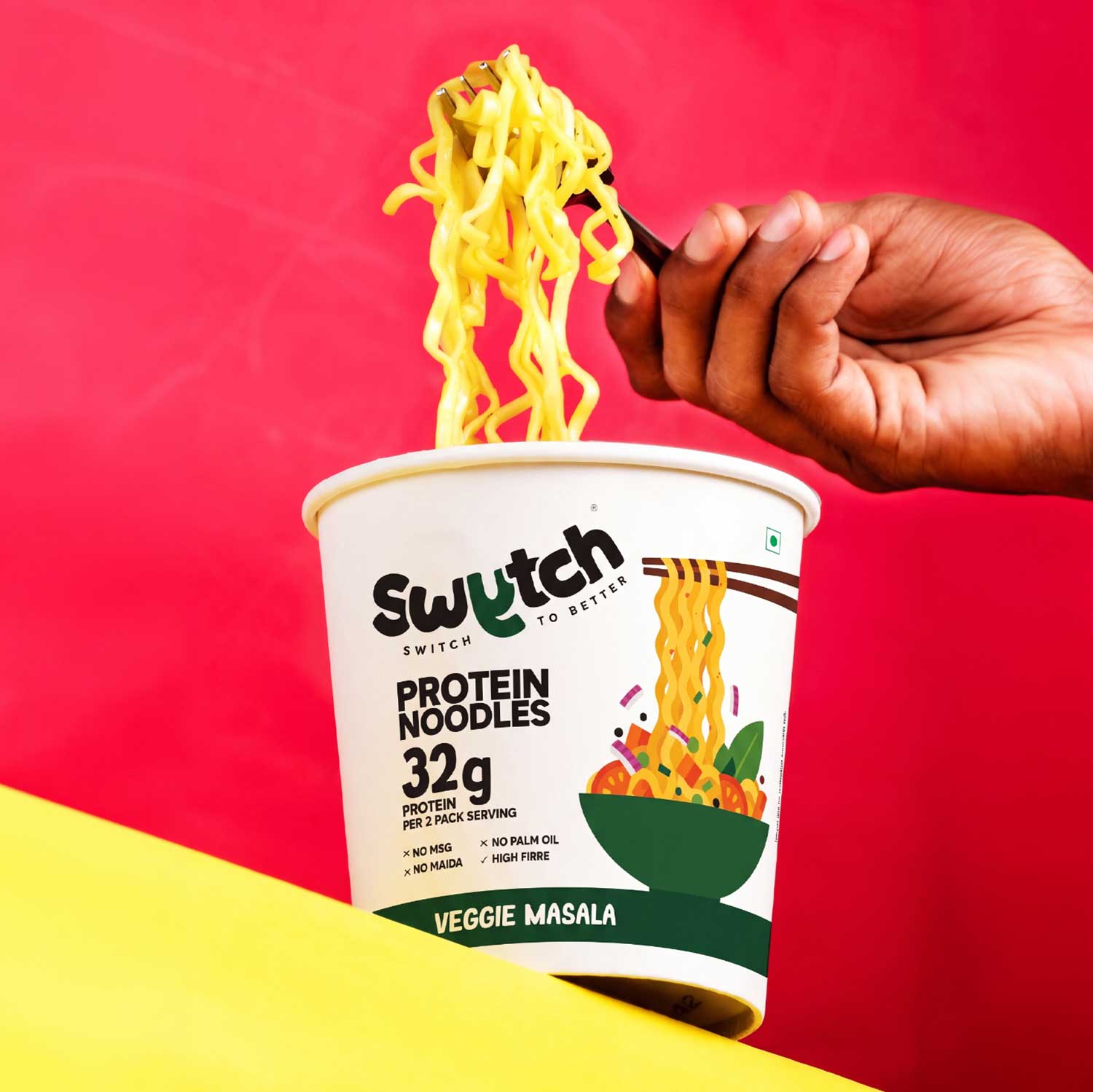
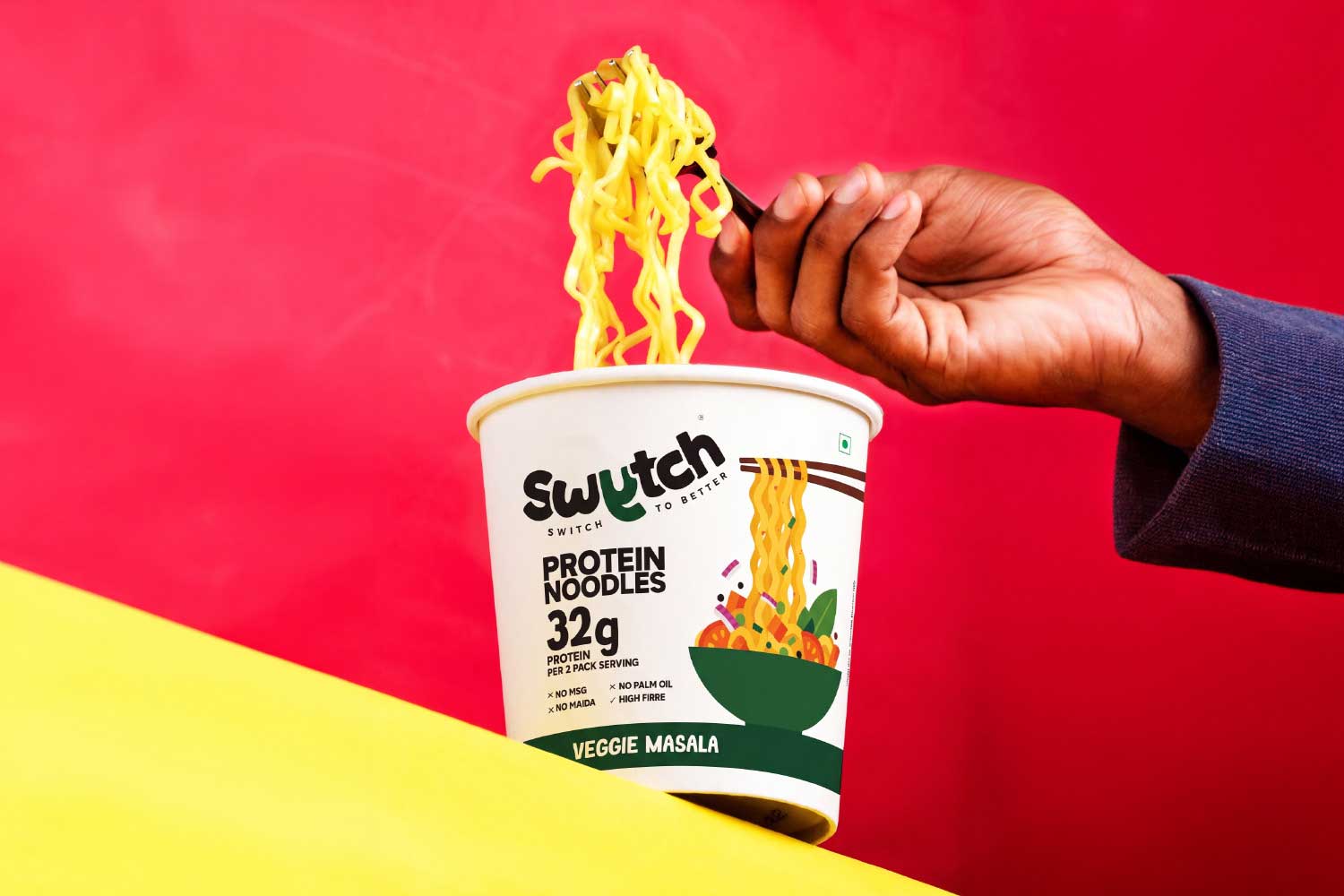
| Protein drinks | Adds protein to a convenient drink | Protein shakes, protein cold coffee | "Source" and "high" protein thresholds |
| Gut-health drinks | Adds prebiotic fibre or live cultures | Prebiotic soda, kombucha, kefir | Evidence for each claim; storage needs for live cultures |
| Adaptogen and nootropic drinks | Positioned around calm, focus or sleep | Ashwagandha, L-theanine and productivity drinks | Ingredient approval; no medicinal claims |
| Fortified and low-sugar drinks | Adds vitamins or removes sugar | Vitamin water, zero-sugar sparkling drinks | Sweetener declarations; nutrient claim rules |
What Changes When You Brand A Functional Drink
- Taste still sells first. Lead the front of the pack with flavour and mood; let the benefit support it.
- One benefit, made concrete. A number such as grams of protein or fibre is more credible than a vague promise.
- Credible, not clinical. Clean ingredient callouts signal quality; pharmacy-style layouts make a drink feel like medicine.
- Claims before artwork. Confirm with a regulatory consultant what you can say before the label is designed.
Energy Drinks And Caffeinated Beverages

Caffeinated drinks are growing fast. Euromonitor data reported by Reuters shows Indian energy drink volumes rose nearly 100% a year between 2018 and 2023, with retail sales projected to reach USD 1.6 billion by 2028. They are also tightly controlled. A caffeinated beverage in India must contain 145 to 300 mg of caffeine per litre and carry a "consume not more than 500 ml per day" statement. In July 2026, FSSAI also directed major brands to drop the "energy drink" descriptor from labels, so check the latest position before naming one of these products.
05 · Ready-To-DrinkWhat Are Ready-To-Drink (RTD) Beverages?
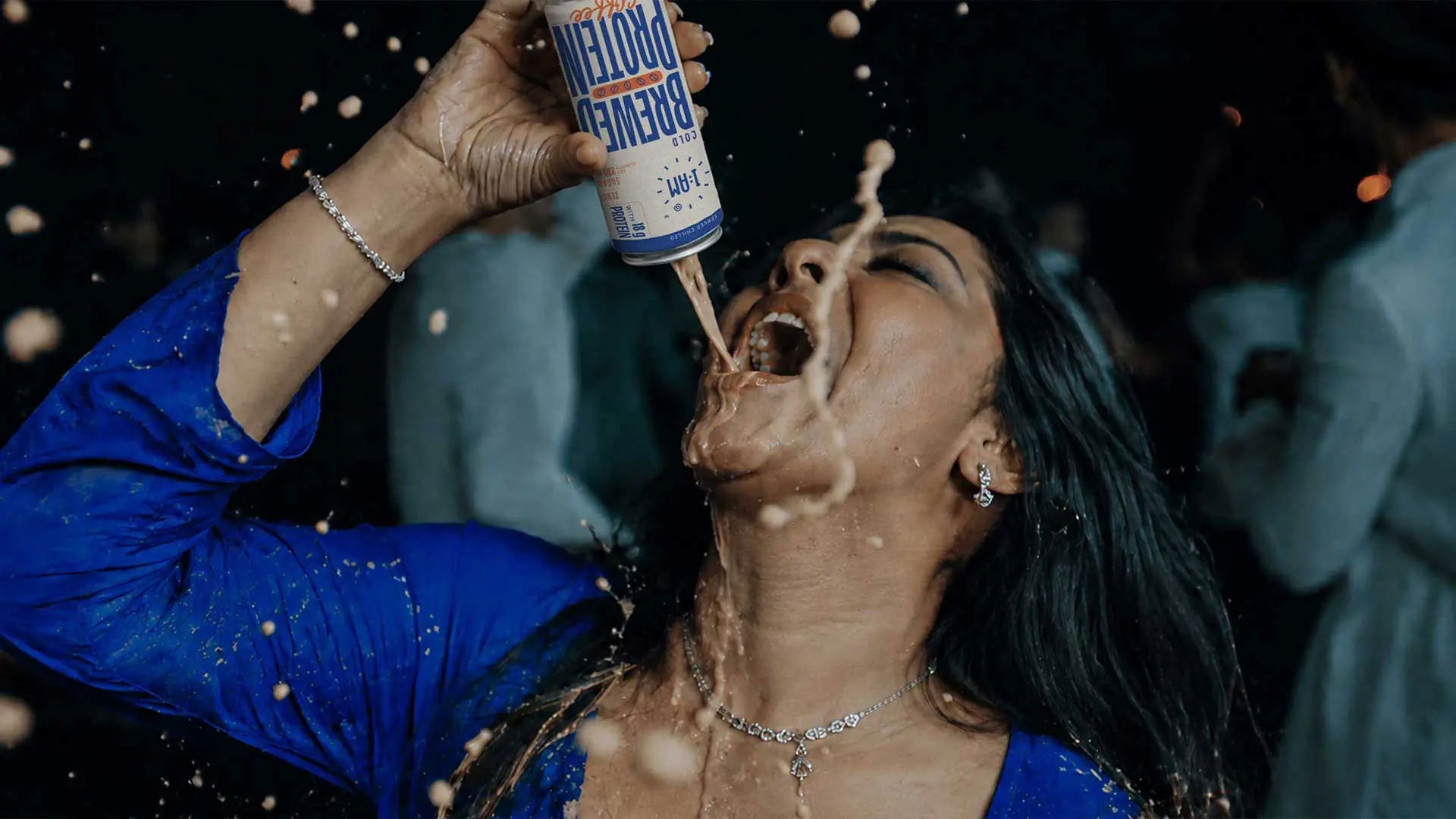
Ready-to-drink (RTD) beverages are drinks sold sealed and ready to consume, with no brewing, mixing or dilution. In India the term most often covers bottled and canned cold coffee, iced tea, protein shakes, flavoured milk and lassi, and mocktails. RTD is a format, so it overlaps with other categories rather than replacing them.
RTD turns a drink people used to make into one they can grab. India's RTD tea and coffee market alone was about USD 3.7 billion in 2025 and is forecast to reach USD 6.9 billion by 2034 (IMARC Group).
The main RTD types are:
- RTD coffee: cold brew, latte and protein coffee in cans or bottles.
- RTD tea: iced tea, green tea and chai lattes.
- RTD dairy: flavoured milk, lassi, chaas and milkshakes.
- RTD protein and nutrition drinks: shakes and meal replacements.
- RTD mocktails and mixers: sparkling drinks built for social occasions.
Because RTD competes with the homemade version, the pack has to justify the price: it must look fresher, more indulgent or more useful than what a shopper could make in their kitchen.
06 · Alcoholic BeveragesTypes Of Alcoholic Drinks
Alcoholic beverages fall into three broad groups, based on how they are made:
- Fermented drinks: beer, wine, cider and traditional brews made by fermenting grains, fruit or sugar.
- Distilled spirits: whisky, rum, vodka, gin, brandy and tequila, which are fermented and then distilled for a stronger drink.
- Fortified wines and liqueurs: port, sherry and flavoured liqueurs, which add spirit or sugar to a base.
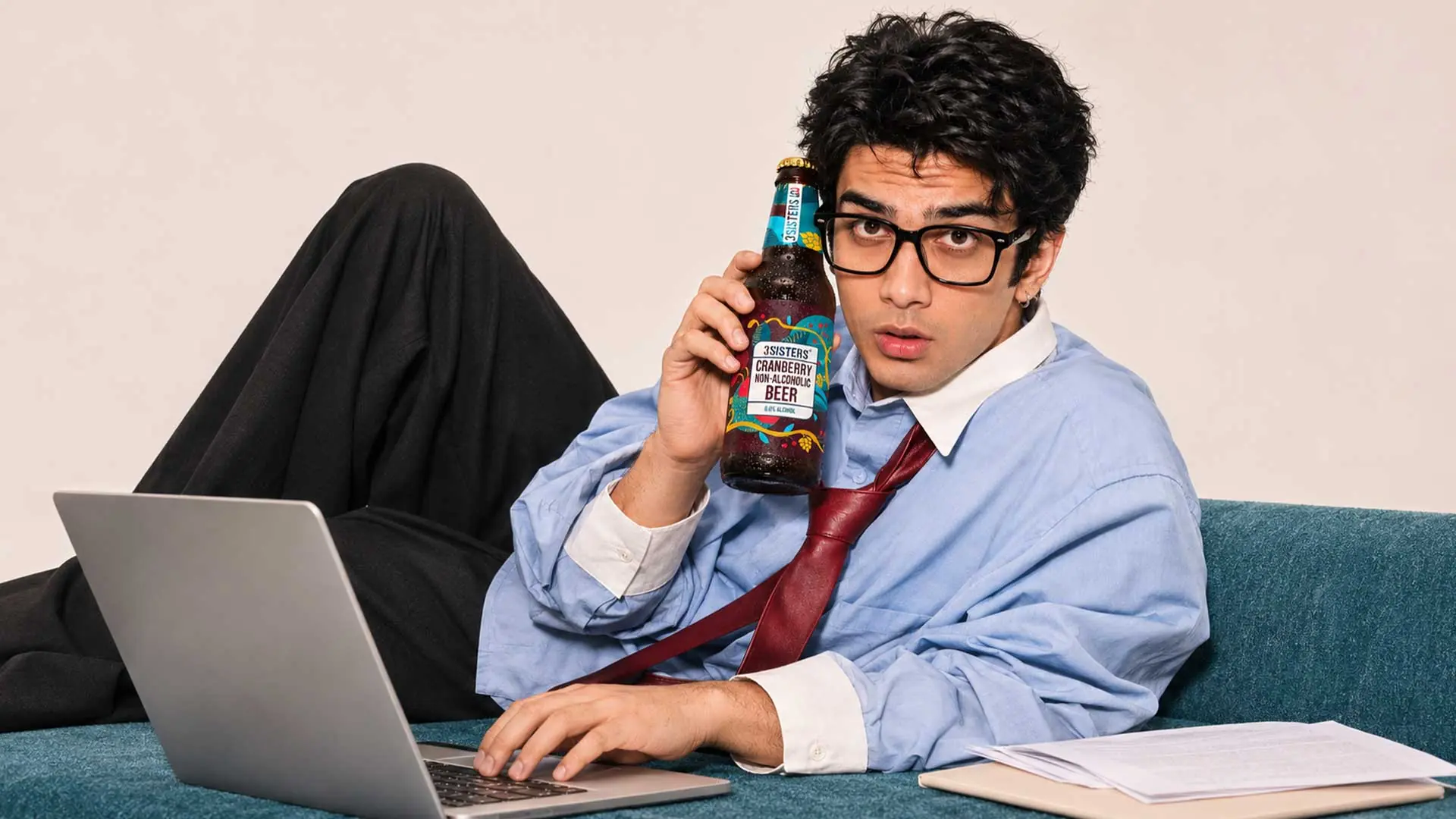
Alcohol is branded under stricter advertising and labelling rules than soft drinks in India, so the pack and the point of sale carry more of the brand's work. Premium non-alcoholic drinks now borrow the cues of spirits and wine for people who want the occasion without the alcohol. 3 Sisters, a premium non-alcoholic drinks brand, is one example from our portfolio: we built the digital home for its full lineup.
07 · Market SnapshotThe Beverage Market In India: Where The Growth Is
India's non-alcoholic beverages market was valued at about USD 34.7 billion in 2025 and is forecast to reach USD 69 billion by 2034, according to IMARC Group. Non-carbonated drinks held about 56% of that market in 2025. The numbers below show where the movement is.
| Signal | Figure | What It Means For Brands |
|---|---|---|
| Non-alcoholic beverages | USD 34.7 billion (2025), about 56% non-carbonated | Growth sits beyond classic fizzy drinks |
| RTD tea and coffee | USD 3.7 billion (2025), USD 6.9 billion by 2034 | Convenience formats are scaling |
| Energy drinks | Projected USD 1.6 billion retail sales by 2028, 12.6% a year | Fast growth, tighter label rules |
| GST on aerated, carbonated and caffeinated drinks | 40% from 22 September 2025 | Category choice changes shelf price |
Sources: IMARC Group, EY GST alert, September 2025, Reuters via ESM Magazine, July 2026
Tax is now a category decision. Since 22 September 2025, aerated, carbonated and caffeinated beverages attract 40% GST, while non-carbonated fruit juice drinks and ready-to-drink plant-based milk drinks moved to 5%. Adding fizz or caffeine to a formula can change your retail price as much as your packaging does.
08 · Category And BrandingHow Your Beverage Category Shapes Branding And Packaging
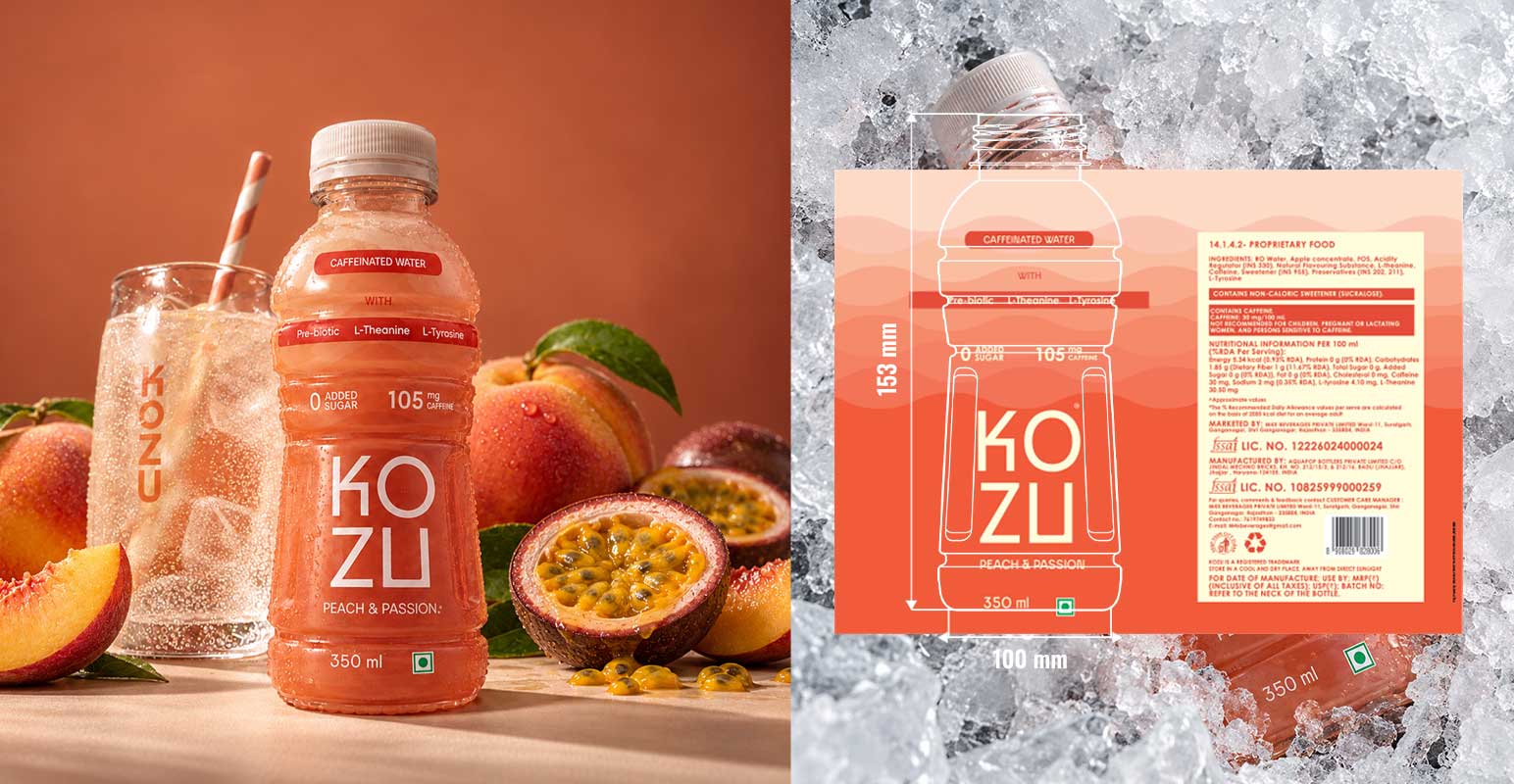
Shoppers read a category in about a second, from colour, shape and a few words. Each category comes with visual codes that tell people what the drink is. A strong brand uses enough of those codes to be understood, then breaks one or two to be remembered.
| Category | Shopper Expects | Common Pack | Identity Cues | Label Must Carry |
|---|---|---|---|---|
| Carbonated soft drinks | Fun, refreshment, value | Can, PET | Bold colour, big logo, flavour colour-coding | Sweetener declarations where used |
| Juices and fruit drinks | Real fruit, freshness | Carton, PET, glass | Fruit imagery, natural tones | Correct name for juice content |
| Functional drinks | Proof of the benefit | Slim can, PET | One hero number, clean type | Claims that meet FSSAI rules |
| Caffeinated drinks | Energy, intensity | Slim can | High contrast, dark or neon palettes | Caffeine content and warnings |
| RTD coffee and tea | Café quality, convenience | Can, glass, PET | Café cues, warm palettes, product name led | Dairy or allergen information |
| Dairy and plant-based | Nourishment, purity | Tetra Pak, PET, pouch | Soft colours, ingredient-led | Allergens; careful use of dairy terms |
Positioning
Category sets the comparison set. A prebiotic soda is judged against colas, not against supplements, so it must win on taste and price as well as benefit. Decide which category you want to be compared with before you decide anything visual. Our brand positioning work starts from exactly this question.
Packaging Format
Format follows category, shelf life and price. Cans suit carbonated, caffeinated and RTD coffee drinks: they chill fast and give a full 360-degree print area. PET suits water, juice and larger sizes. Cartons suit dairy, plant-based and long-life drinks. Glass signals craft and premium, at the cost of weight and breakage.
Visual Identity
Colour carries the flavour system, type carries the attitude, and the logo has to read on a quick-commerce thumbnail as well as on a shelf. Functional and RTD brands also need room for a hero claim that stays in the same place on every SKU (stock-keeping unit, meaning each flavour or size you sell).
Consumer Perception
Packaging changes what people believe about the liquid inside. Matte finishes and restrained type suggest premium; bright, saturated colour suggests fun and value; ingredient photography suggests natural. When the pack signals the wrong category, shoppers either ignore it or feel misled after the first sip.
New formats make this harder, because there is no category code to borrow yet. A milk-based soda or a caffeinated water has to teach shoppers what it is in one glance.
09 · For FoundersChoosing A Beverage Category For A New Drink Brand
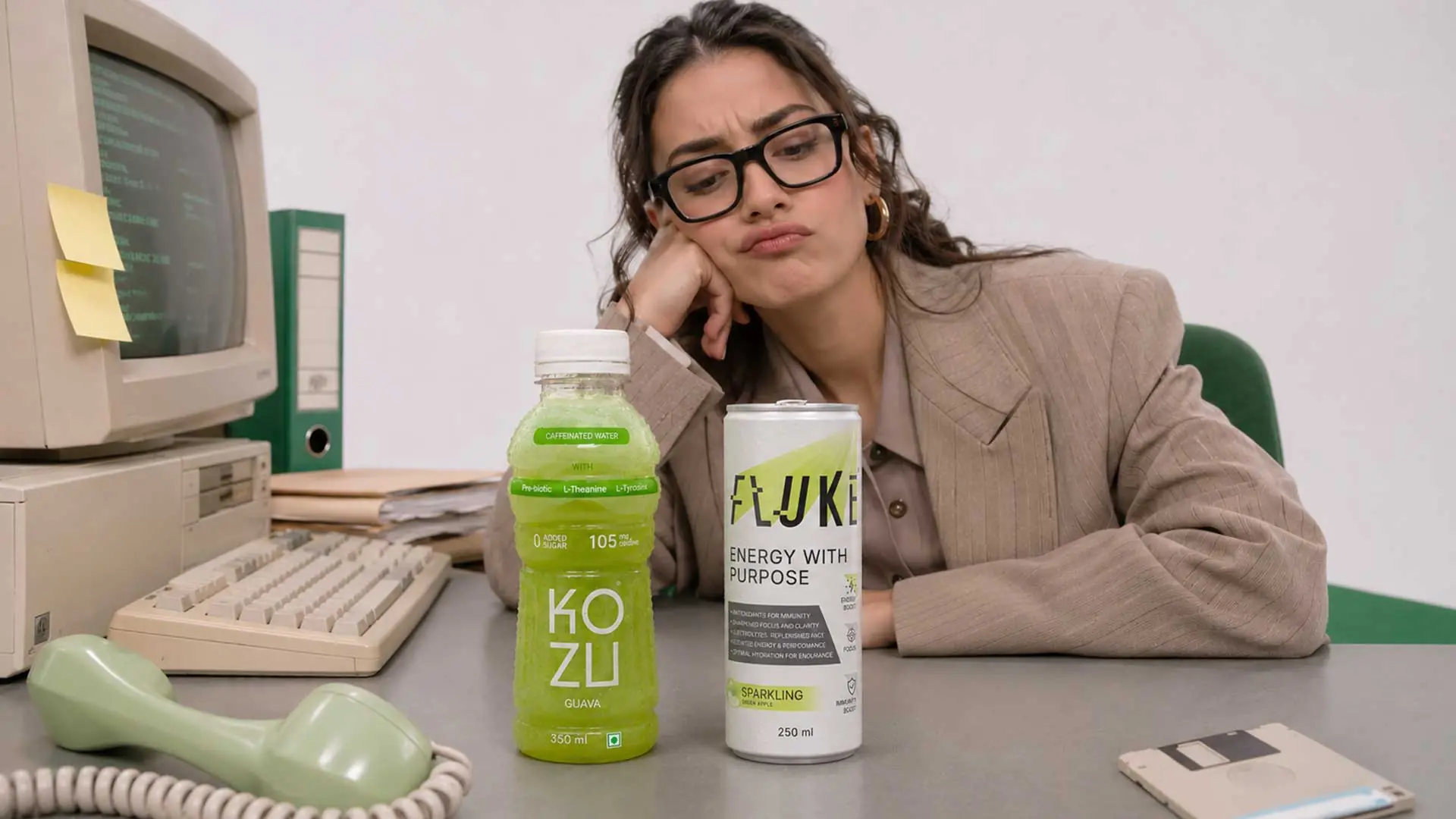
For manufacturers, FMCG teams and D2C founders, choosing a category is a business decision before it is a creative one. Work through these six questions in order:
- Which regulatory category is it? The FSSAI category sets the legal name, permitted ingredients and claims. Confirm it with a regulatory consultant first.
- What does it cost to sell? GST alone ranges from 5% to 40% across drink types, before retailer and quick-commerce margins.
- Which format can you make and ship? Your co-packer's filling lines, shelf life and cold chain decide between can, PET, glass and carton.
- Where will it sell first? Quick commerce rewards bold thumbnails; cafés and gyms reward fridge visibility; modern trade rewards strong shelf blocking.
- What is the one reason to buy? A single, provable benefit or taste story, not five.
- Can the brand grow? Plan the flavour and SKU system for eight products, even if you launch with three.
If you are building from scratch, our startup branding team works through these decisions with founders before any design begins.
10 · Our Beverage WorkWhat Good Beverage Branding Looks Like

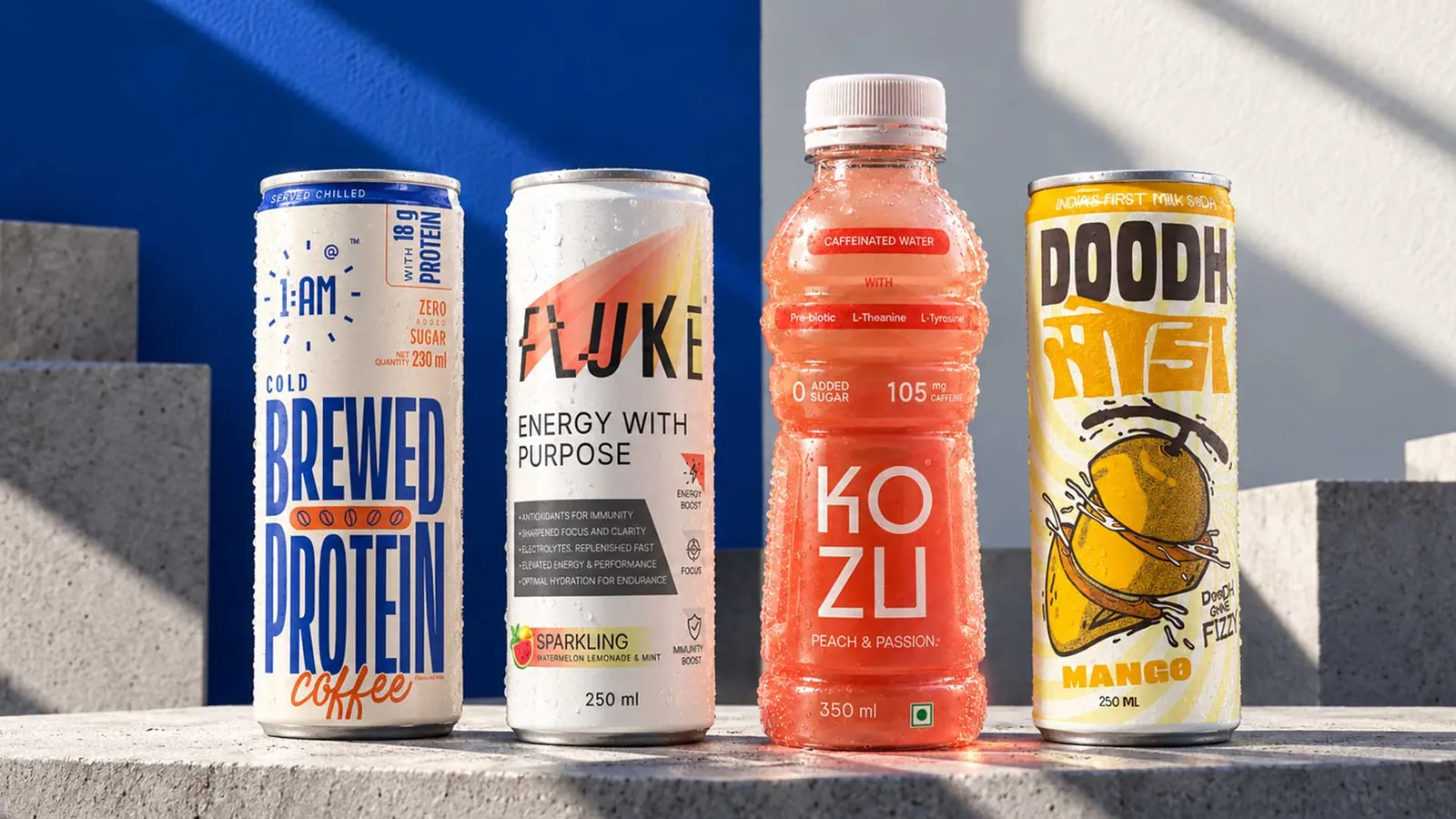
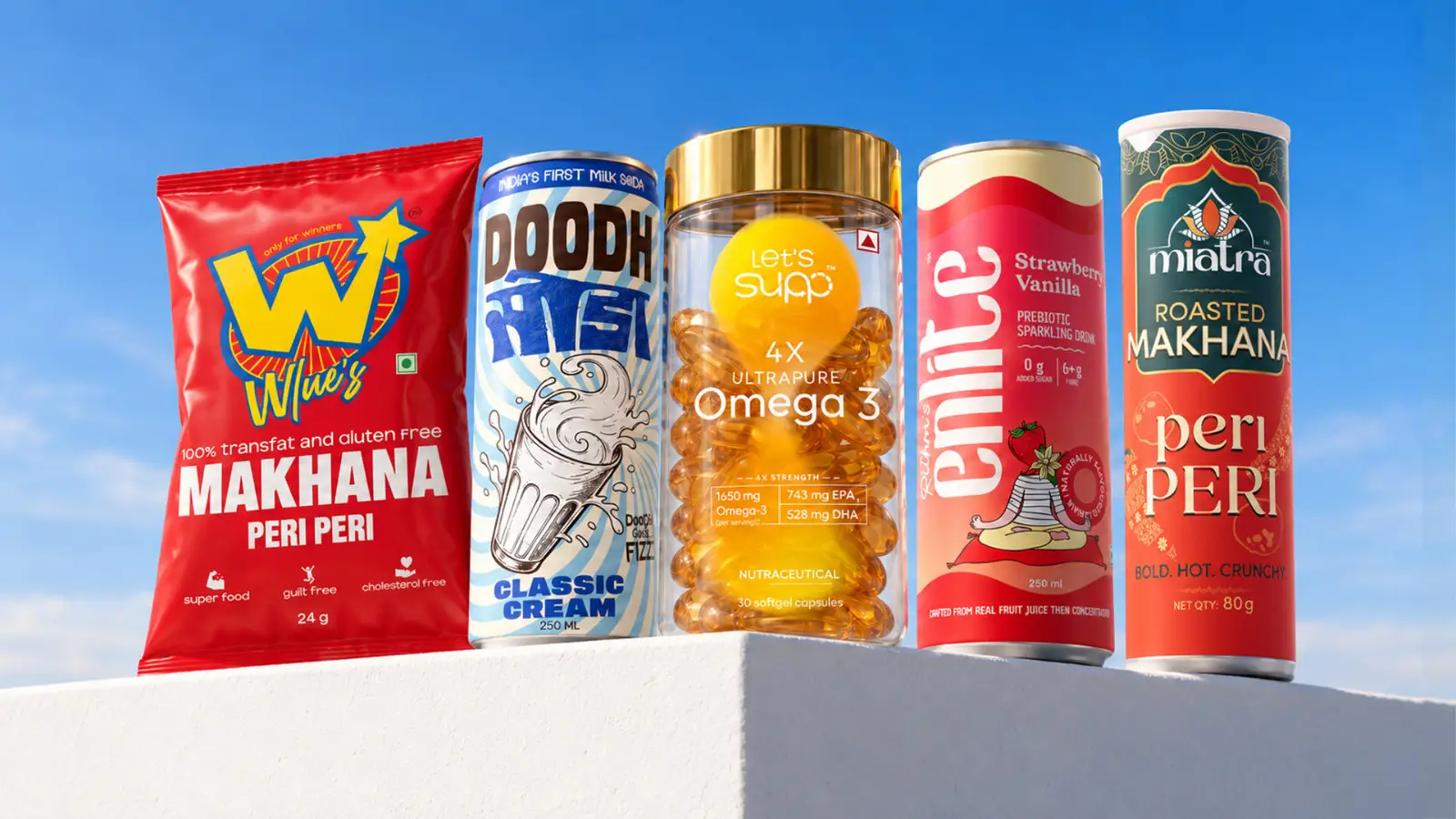
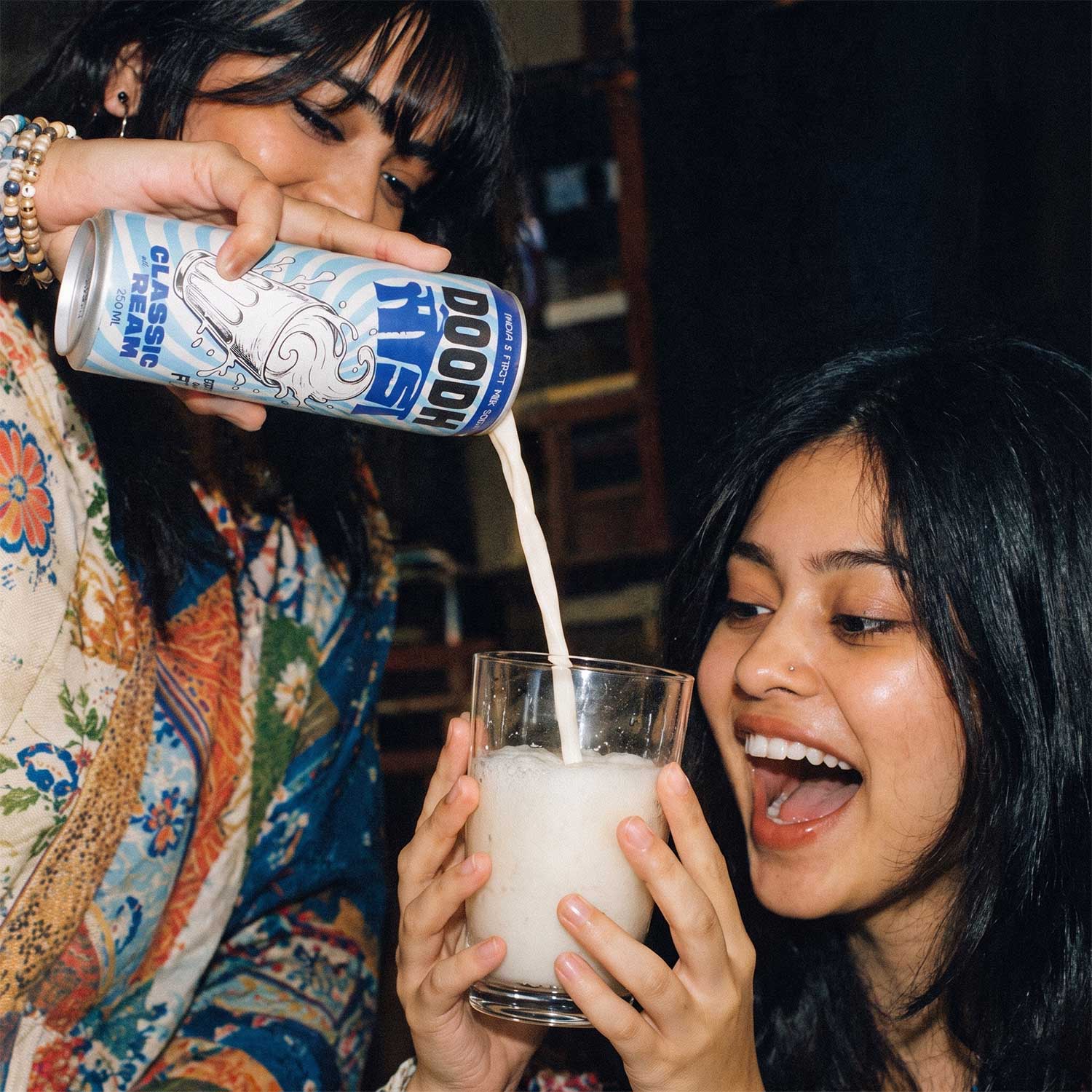
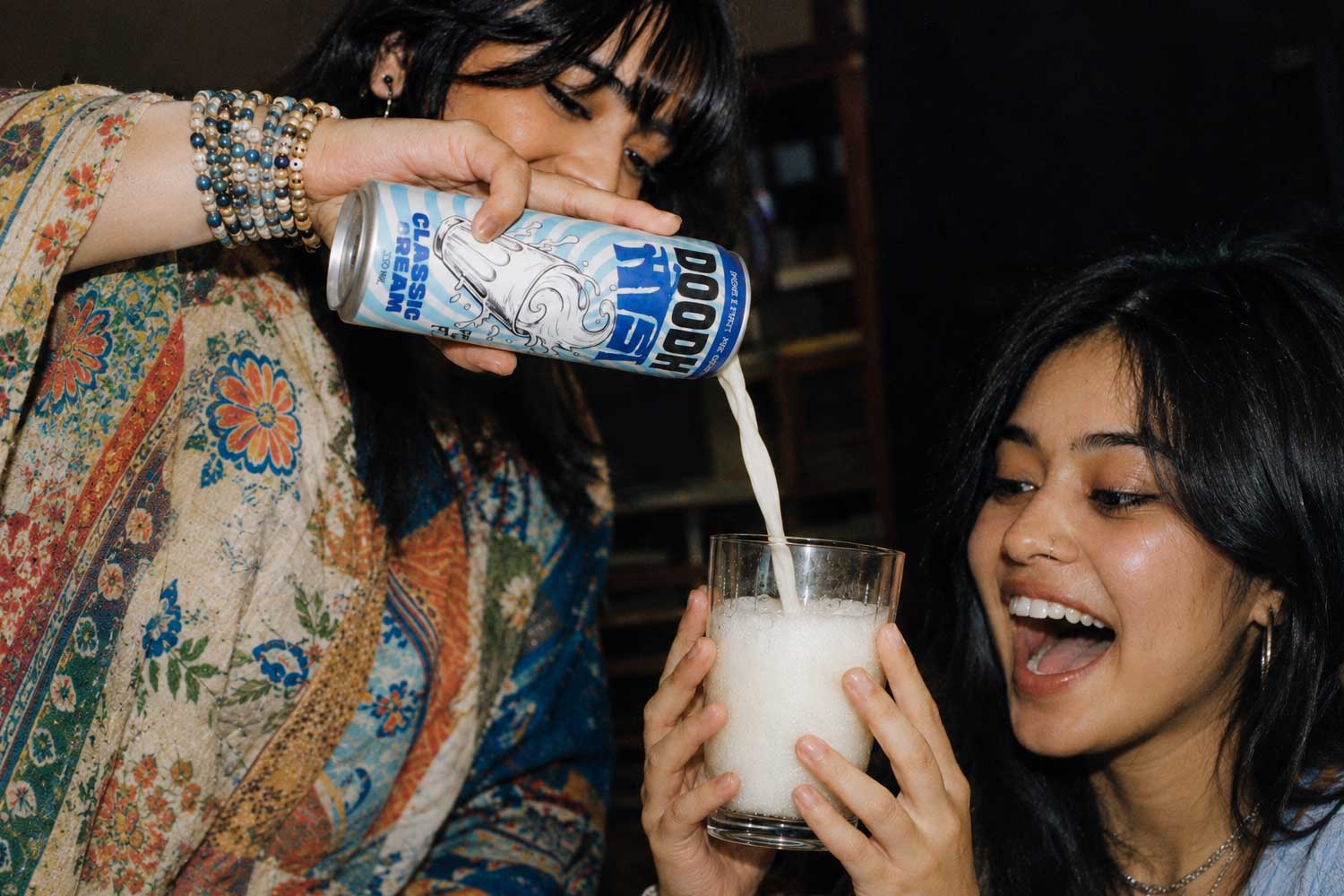
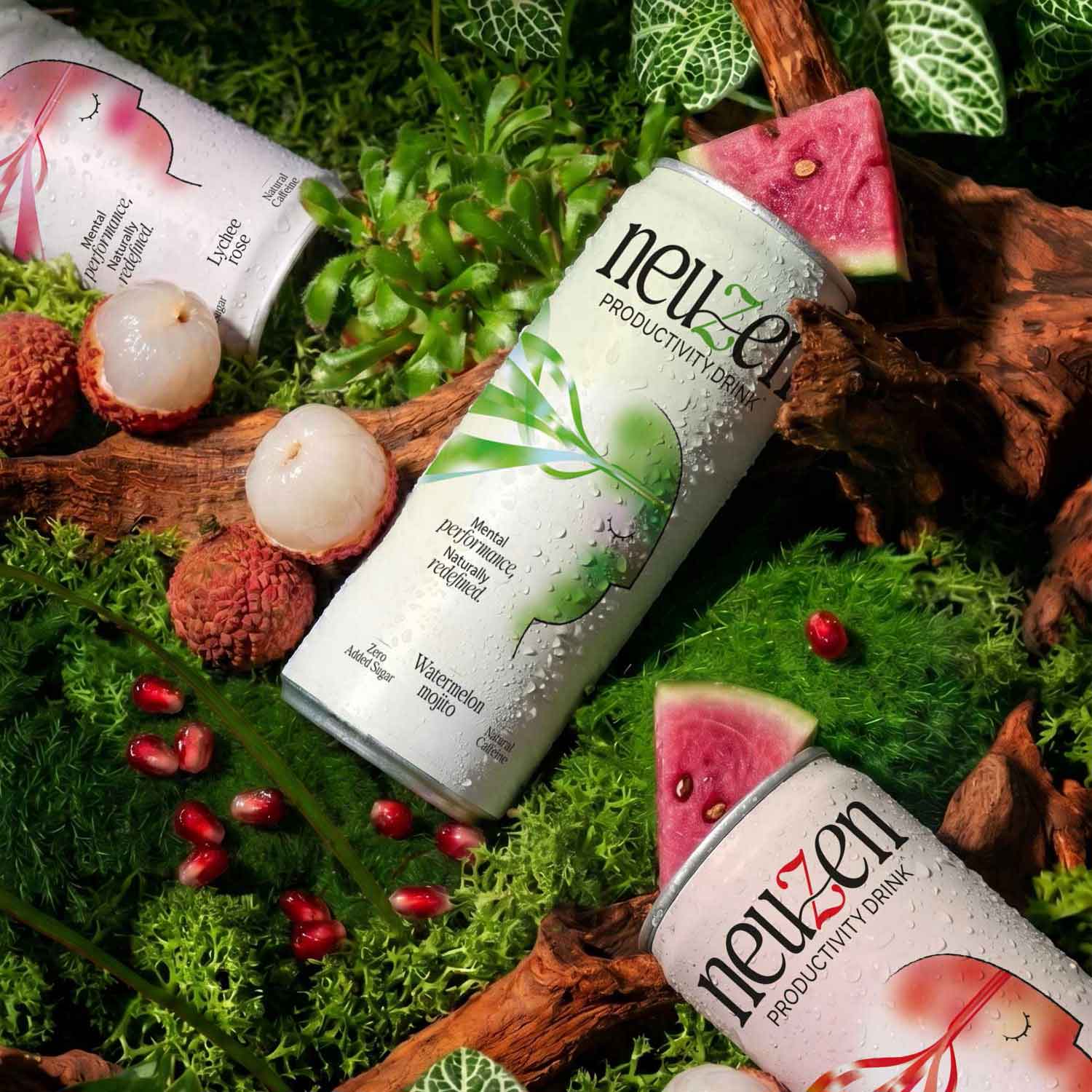
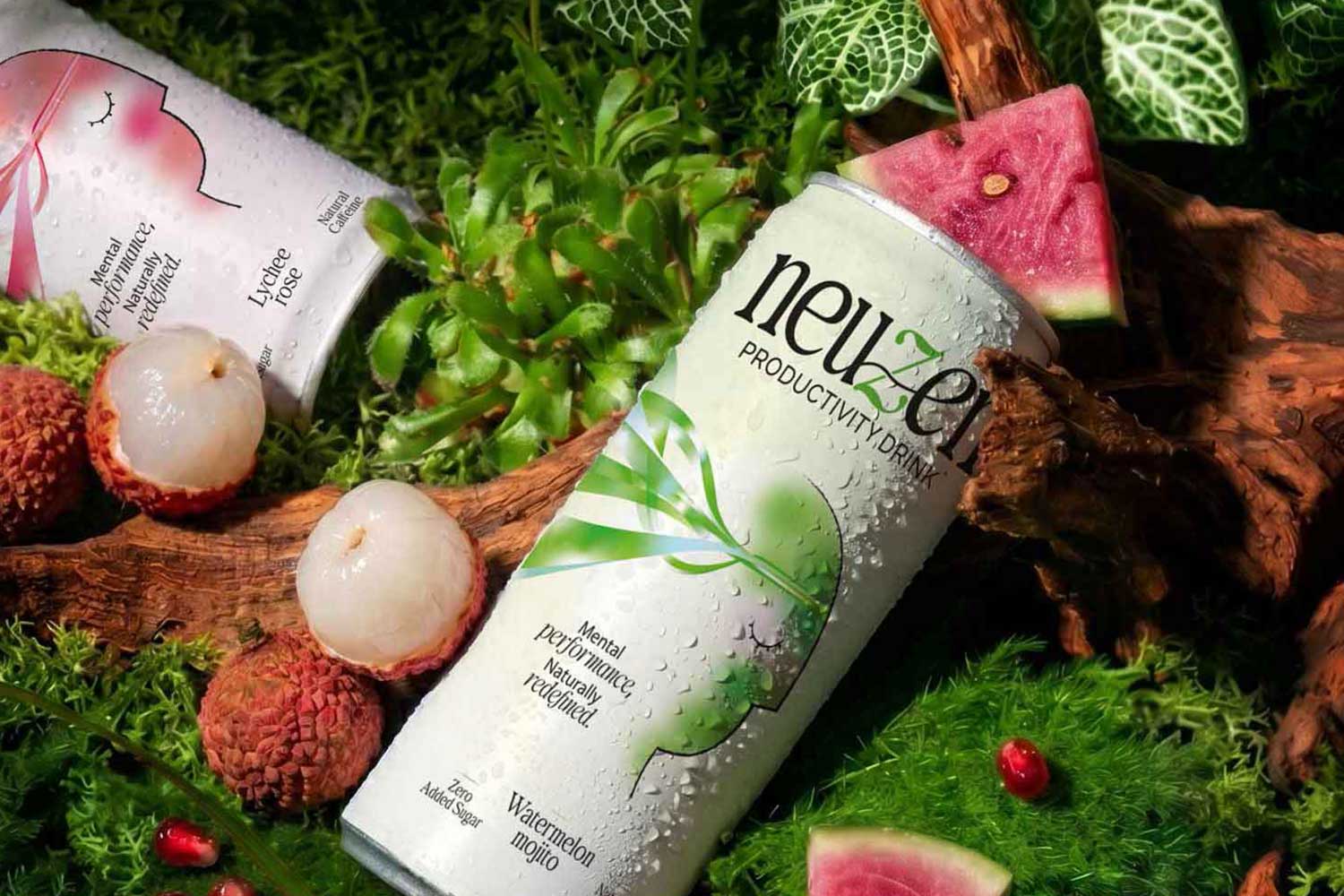
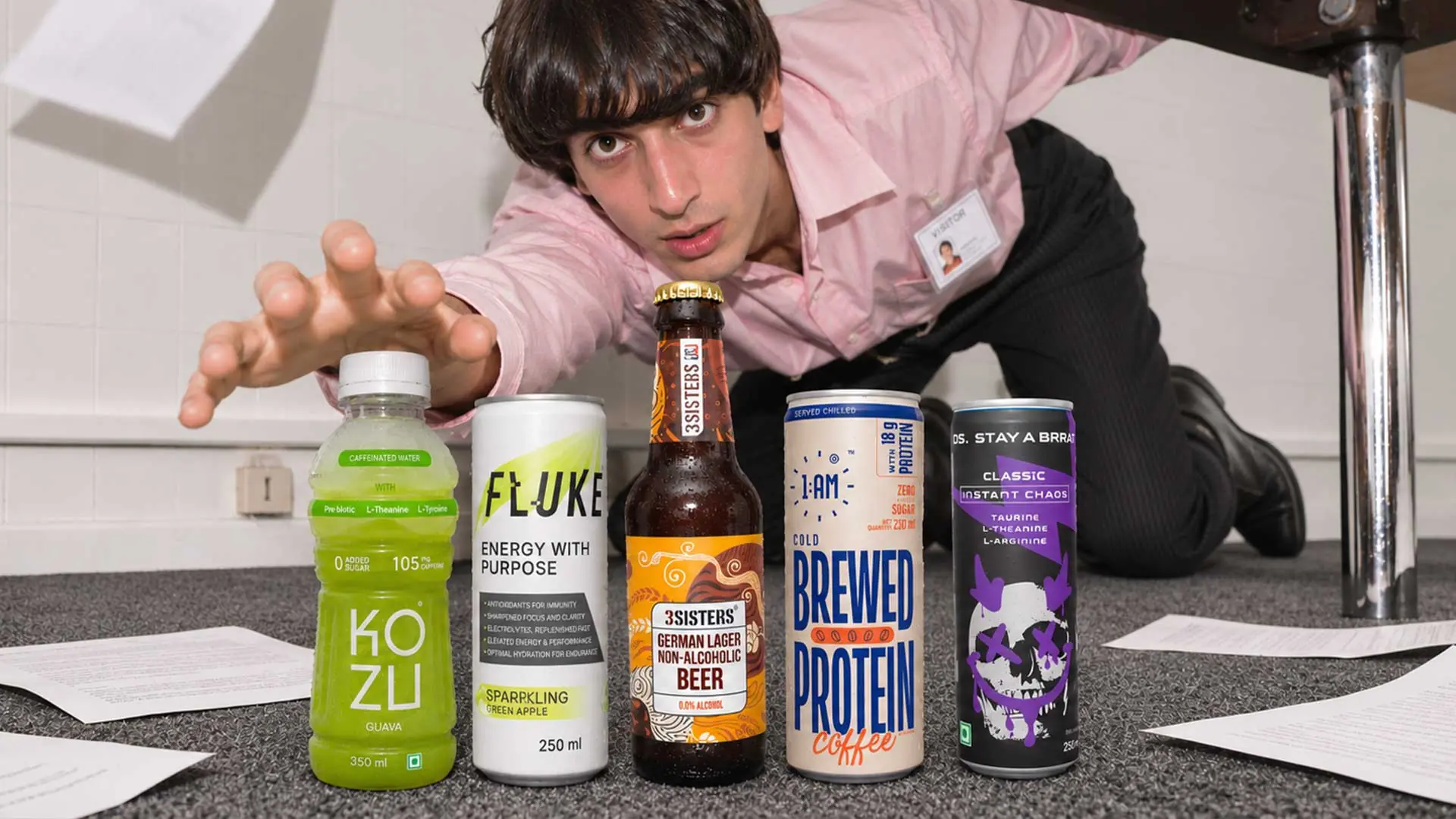
The projects in this guide cover most of the categories above: canned cold coffee (1 AM), sparkling mineral water and prebiotic drinks (Enlite), prebiotic soda (Ekos), milk-based soda (Doodh Soda), caffeinated water (Kozu), energy drinks (Brrat, Green Horn), functional and productivity drinks (Fluke, Neuzen, Chober), juice (Nature Balance), cocktail mixers (Mr. Bomzy), boba drinks (Bobalist) and premium non-alcoholic drinks (3 Sisters). Across them, good beverage branding comes down to a clear category signal, one hero message per pack and a system that holds across flavours. Our packaging design work shows how the same thinking carries across categories.
Pick The Category First, Then Build The Brand
Every type of beverage, from packaged water to a protein cold coffee, comes with its own rules, shopper expectations and pack formats. Founders who choose the category deliberately, and design for it, launch with a brand that is understood in a second and remembered after the first sip.
Frequently Asked Questions
What are the 4 types of beverages?
The most common answer is alcoholic beverages plus three groups of non-alcoholic drinks: stimulating (tea, coffee), refreshing (water, juice, soft drinks) and nourishing (milk, lassi, smoothies). Some guides use hot, cold, alcoholic and non-alcoholic instead. There is no single official list, so the right grouping depends on whether you are studying hospitality or building a product.
What is a beverage, with examples?
A beverage is any liquid prepared for drinking. Everyday examples include water, tea, coffee, milk, fruit juice, buttermilk, soft drinks, coconut water and beer. In food regulation and retail, the term covers both drinks made at home and packaged products sold ready to consume, such as bottled water, canned cold coffee and cartons of juice.
What are the different types of cold drinks?
Cold drinks include carbonated soft drinks (cola, lemon-lime, orange and masala soda), juices and fruit drinks, iced tea and cold coffee, flavoured milk and lassi, sports and electrolyte drinks, and traditional coolers such as nimbu pani, aam panna and jaljeera. In everyday Indian usage, "cold drink" usually means a carbonated soft drink.
What is the difference between fruit juice and a fruit drink?
Fruit juice is the unfermented juice of the fruit itself, while a fruit drink is diluted with water and sweeteners. Under FSSAI standards a fruit drink needs at least 10% fruit juice, or 5% for lime and lemon, while a nectar needs at least 20%. The product name on the label must match the juice content, so check the standard before naming your drink.
What does RTD mean in beverages?
RTD stands for ready-to-drink: a beverage sold sealed and ready to consume, with no brewing, mixing or dilution needed. Common RTD drinks include canned cold coffee, bottled iced tea, flavoured milk, lassi, protein shakes and mocktails. RTD describes the format, so an RTD drink can also be a dairy, functional or caffeinated beverage.
Are functional beverages the same as energy drinks?
No. Energy drinks, regulated in India as caffeinated beverages, are one type of functional drink. Functional beverages also include electrolyte drinks, protein drinks, prebiotic and probiotic drinks and fortified waters, many of which contain no caffeine. Each type follows different FSSAI standards and claim rules, which shape what the label can say.
Which beverage categories are growing fastest in India?
Non-carbonated drinks already make up about 56% of India's non-alcoholic beverage market, according to IMARC Group. Energy drinks are projected to grow about 12.6% a year to 2028, according to Euromonitor data reported by Reuters, and RTD tea and coffee is forecast to nearly double by 2034. Functional and better-for-you drinks are where most new brands are launching.
How does beverage type affect packaging design?
Beverage type decides the pack format, the mandatory label content and the visual codes shoppers expect. Carbonated and caffeinated drinks usually use cans with bold, high-contrast design; juices use cartons or PET with fruit cues; functional drinks need space for one clear, compliant claim. Design starts from the category, then finds a way to stand out within it.