
What is Product Branding?
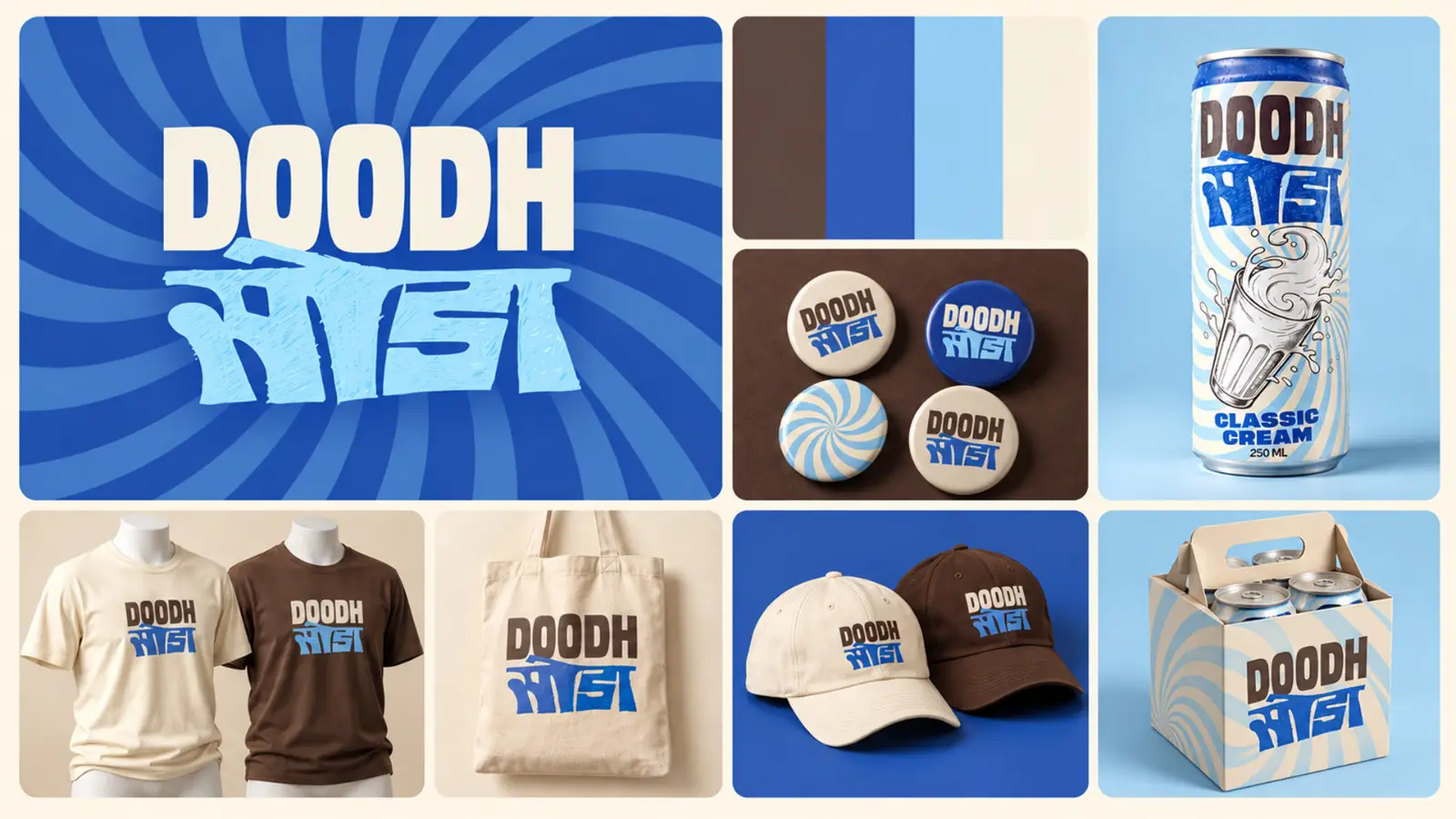
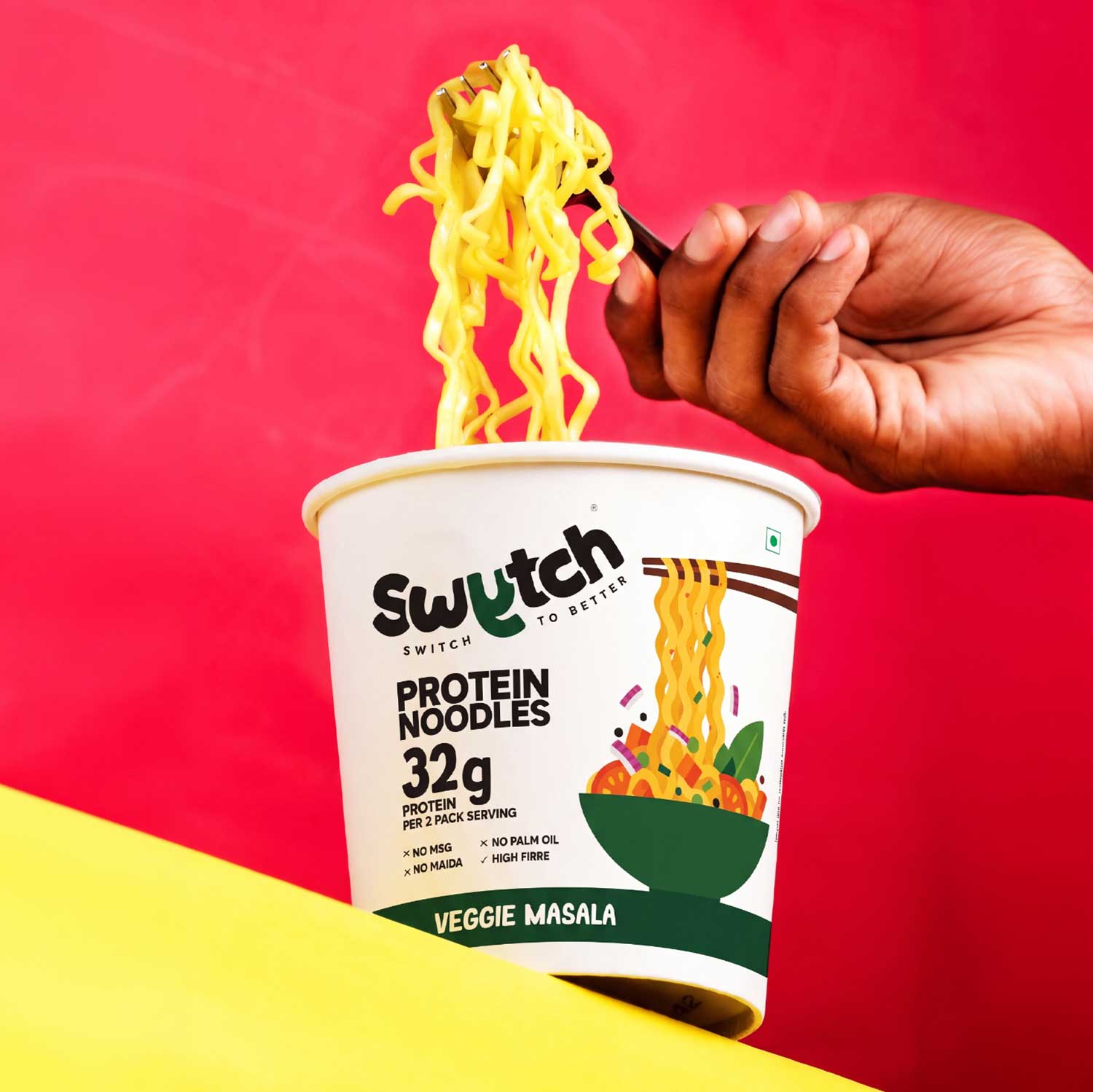
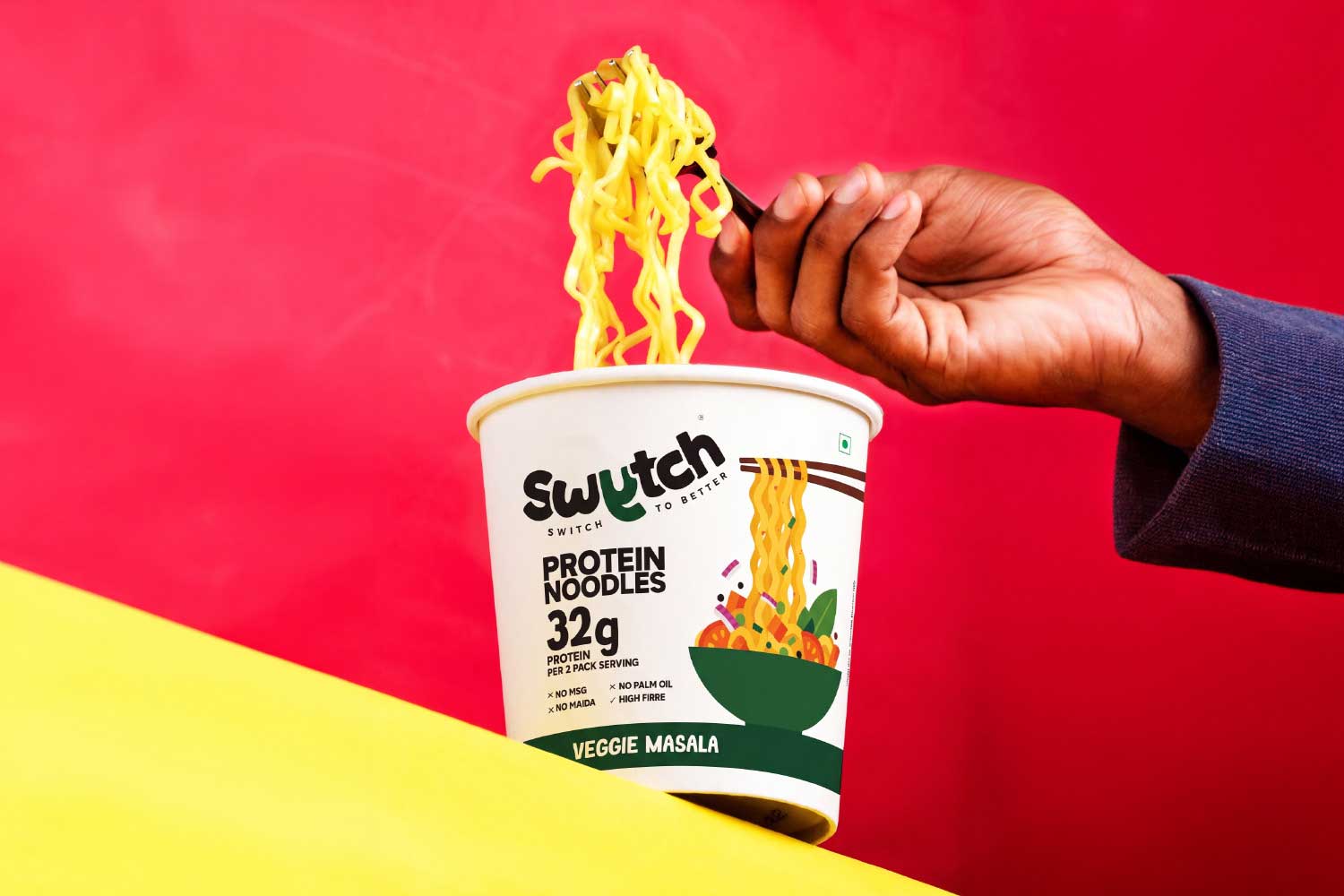
Product branding is the process of shaping a product's identity that can be recognised, differentiated and remembered. It’s primarily done through product name, logo, colour scheme, font, tagline and messaging.
Good consumer product branding answers a few basic questions clearly and consistently, so consumers are not left confused or searching for answers.
- What does the product do?
- Who is it for?
- What are the benefits?
- How is it different from other products in a similar category?
- Why buy this particular product?
- What is its personality?
- What should the customers feel?
When consumers get answers to these key questions, the purchase decision becomes easy. Within seconds, they can choose one product over the other, even though the two appear similar.
That’s the job good product branding does, smoothly.
02 — Product vs CorporateDifferentiation between Product Branding and Corporate Branding
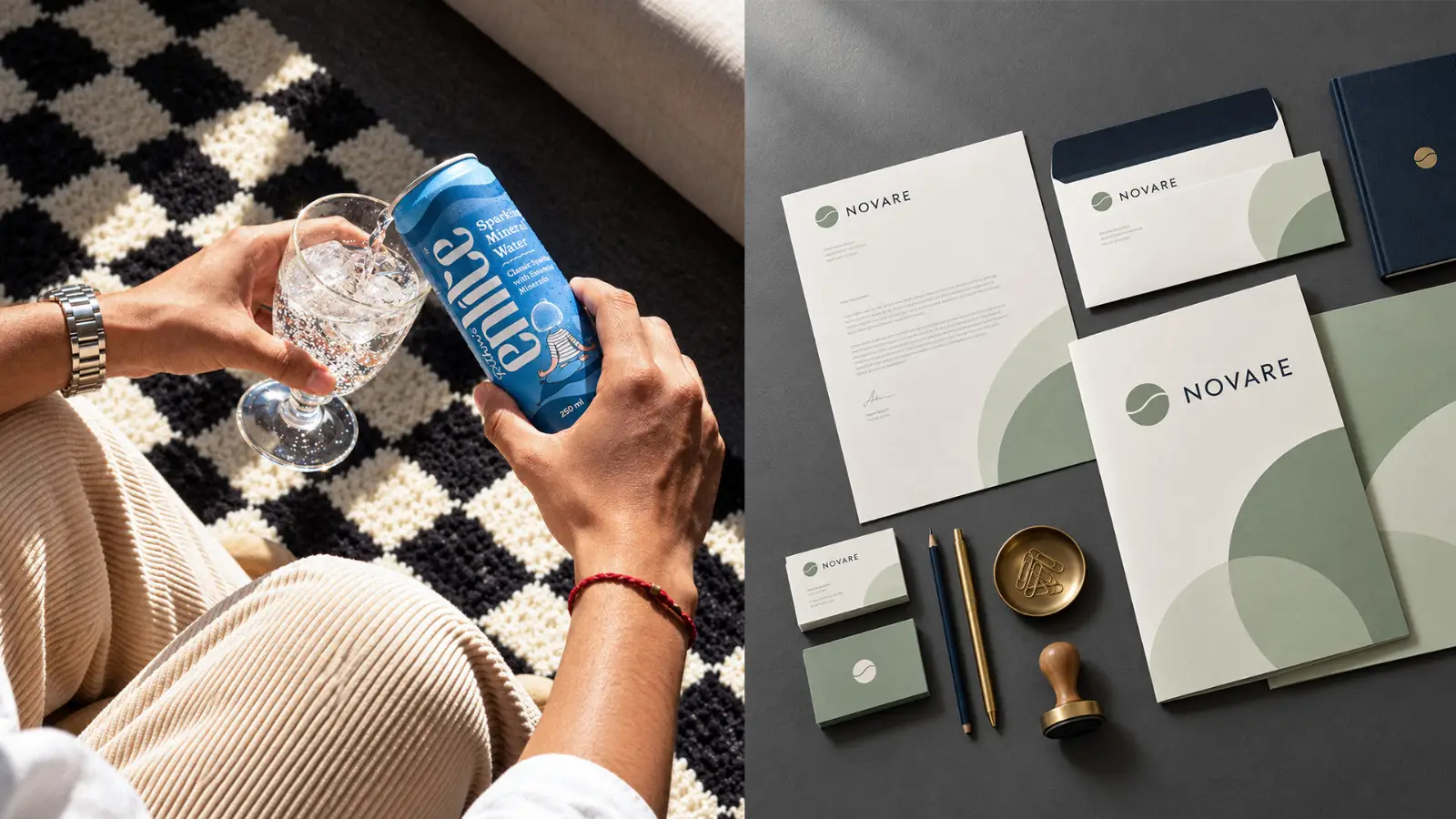
Product branding and corporate branding may look like one thing, but they are actually not. They are fundamentally different.
Corporate branding revolves around building the identity and perception of an entire organisation. It is focused on the company’s values, culture, and reputation and targets not just customers, but also employees, investors, and partners.
Product branding, on the other hand, focuses on building individual product brands that target potential buyers. A company can have several products, each functioning as a brand on its own.
Understanding the difference between product and corporate branding is critical so you know where to focus your effort, how to manage risks and how to keep your branding consistent.
03 — Why It MattersImportance of Product Branding
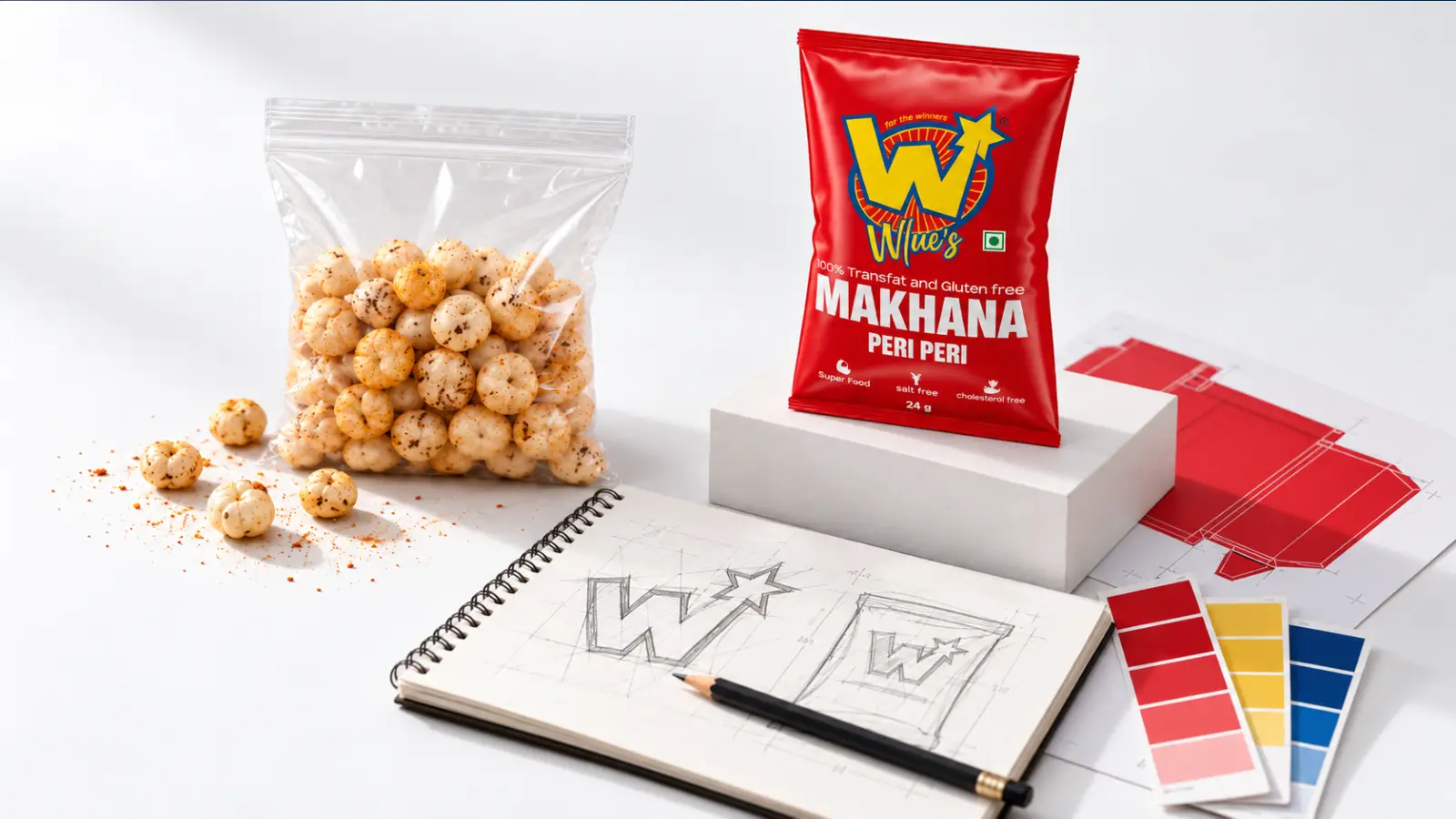
Product branding is important for a multitude of reasons. Let’s take a look at them individually.
- Differentiates Product: Similar products drown in a crowded marketplace. Effective branding helps a product differentiate itself from competitors. It can be through distinctive identity, special features, benefits and personality.
- Builds Recognition: Strong branding makes a product more recognisable and memorable through messages, typefaces, colours, and logo.
- Establishes Credibility and Trust: Clear design and communication boost customers’ confidence in product quality and make the brand appear more credible and trustworthy.
- Develops Customer Loyalty: Strong branding helps consumers connect emotionally with the product. It builds loyalty and encourages consumers to not only buy it repeatedly but also recommend it to others.
- Increases Perceived Value: Good brand design adds to the product’s perceived value and helps position it as a premium offering. Customers willingly pay more for such products.
- Marketing for Better: A strong brand image is a good starting point for advertising, social media, packaging, websites and other marketing channels.
Is Your Product’s Brand Working As Hard As The Product?
Talk to our branding team about identity, positioning and packaging for your product.
Key Elements of Product Branding
- Identity: The product’s identity usually consists of visual and verbal elements. Brand name, logo, colours, fonts, photography, illustrations, graphics, tagline, messaging and tone of voice combine to create an impactful identity that leaves a strong impression on the consumer.
- Positioning: Positioning is the cornerstone of consumer product branding strategy, as it determines how customers will perceive the product. It primarily answers who the product is for, what category it falls into, what its key benefits are and why people should choose it. Three similar products can have three different positioning strategies. For example, brands selling chips can position their individual products as healthy, premium and affordable, respectively.
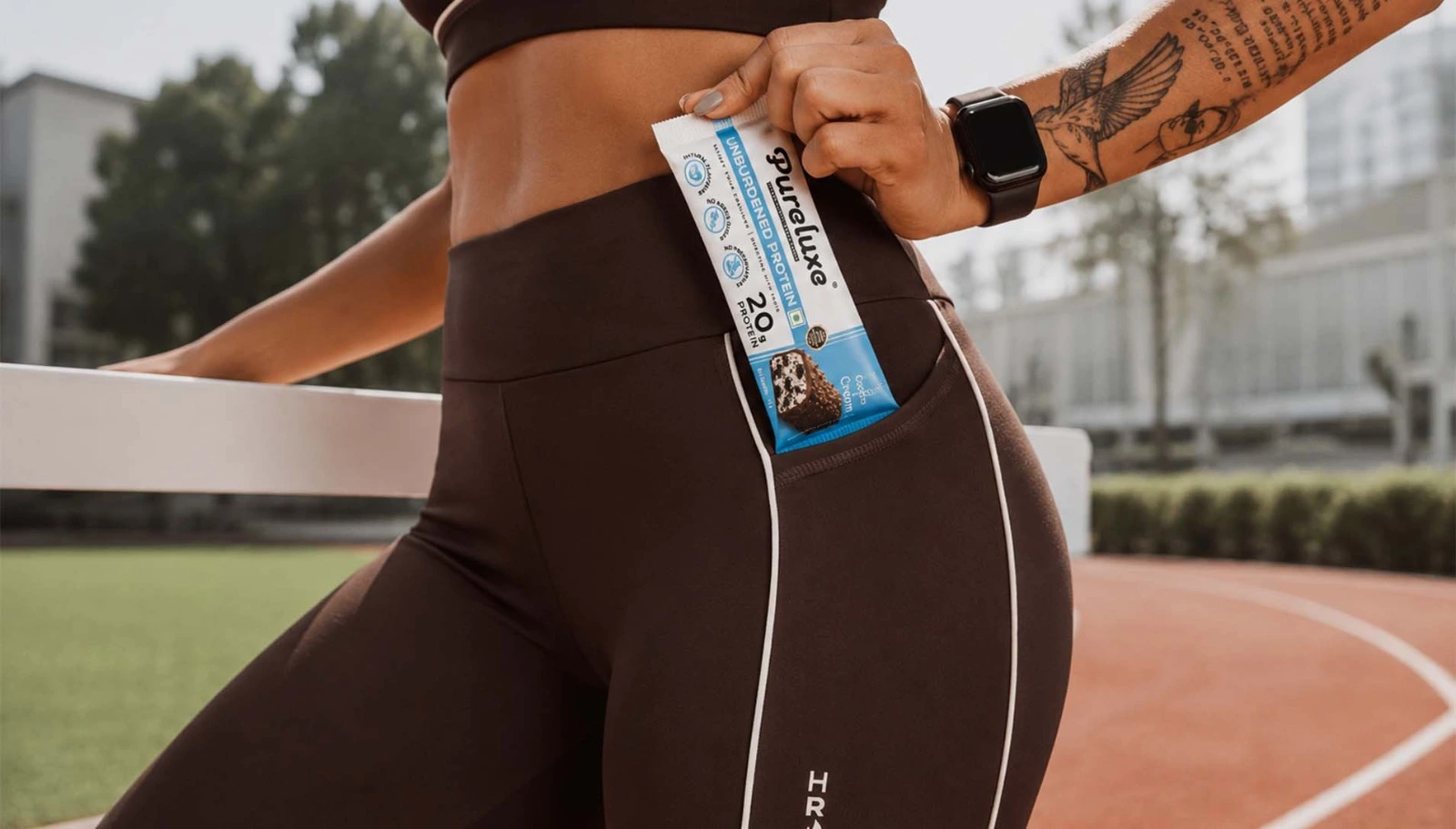
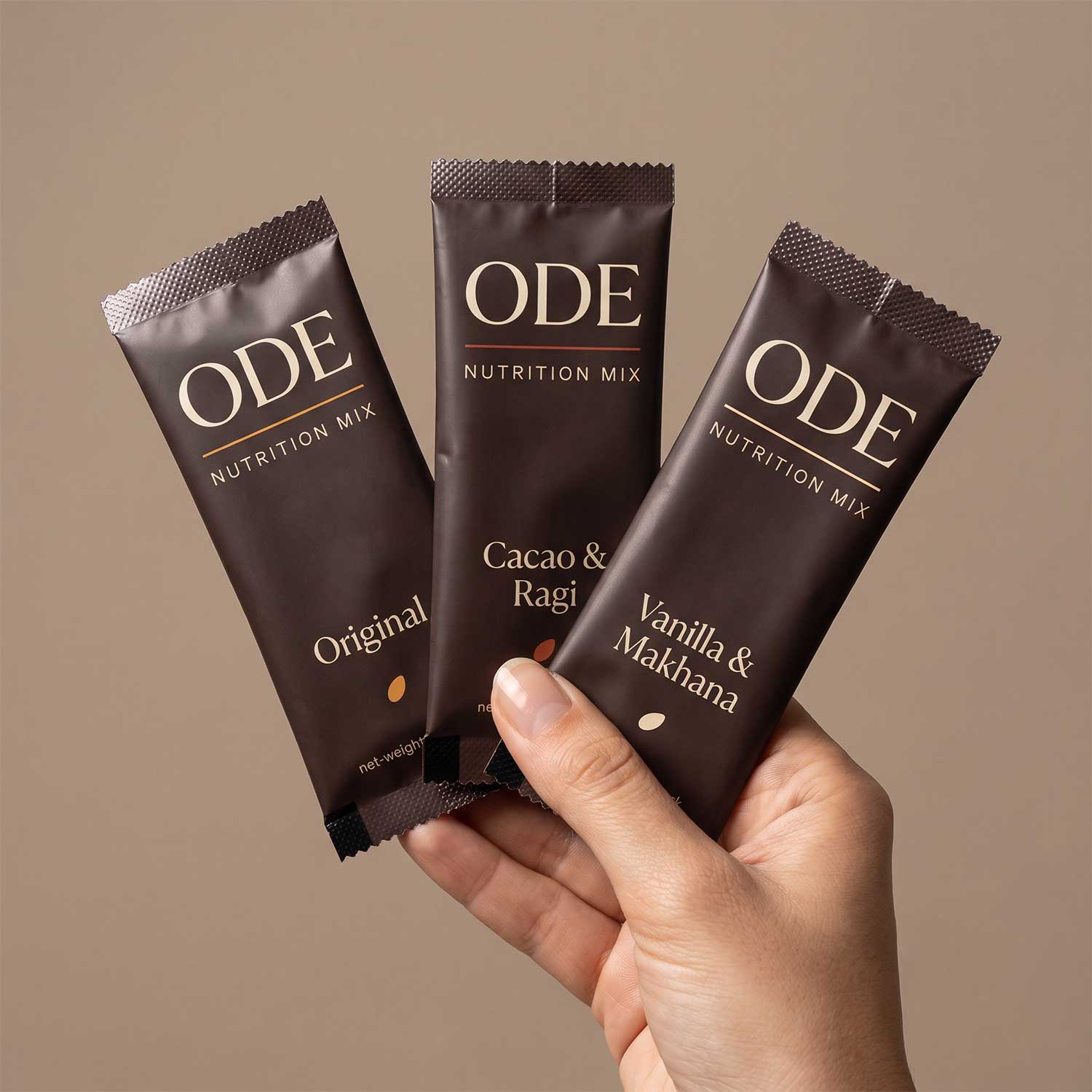
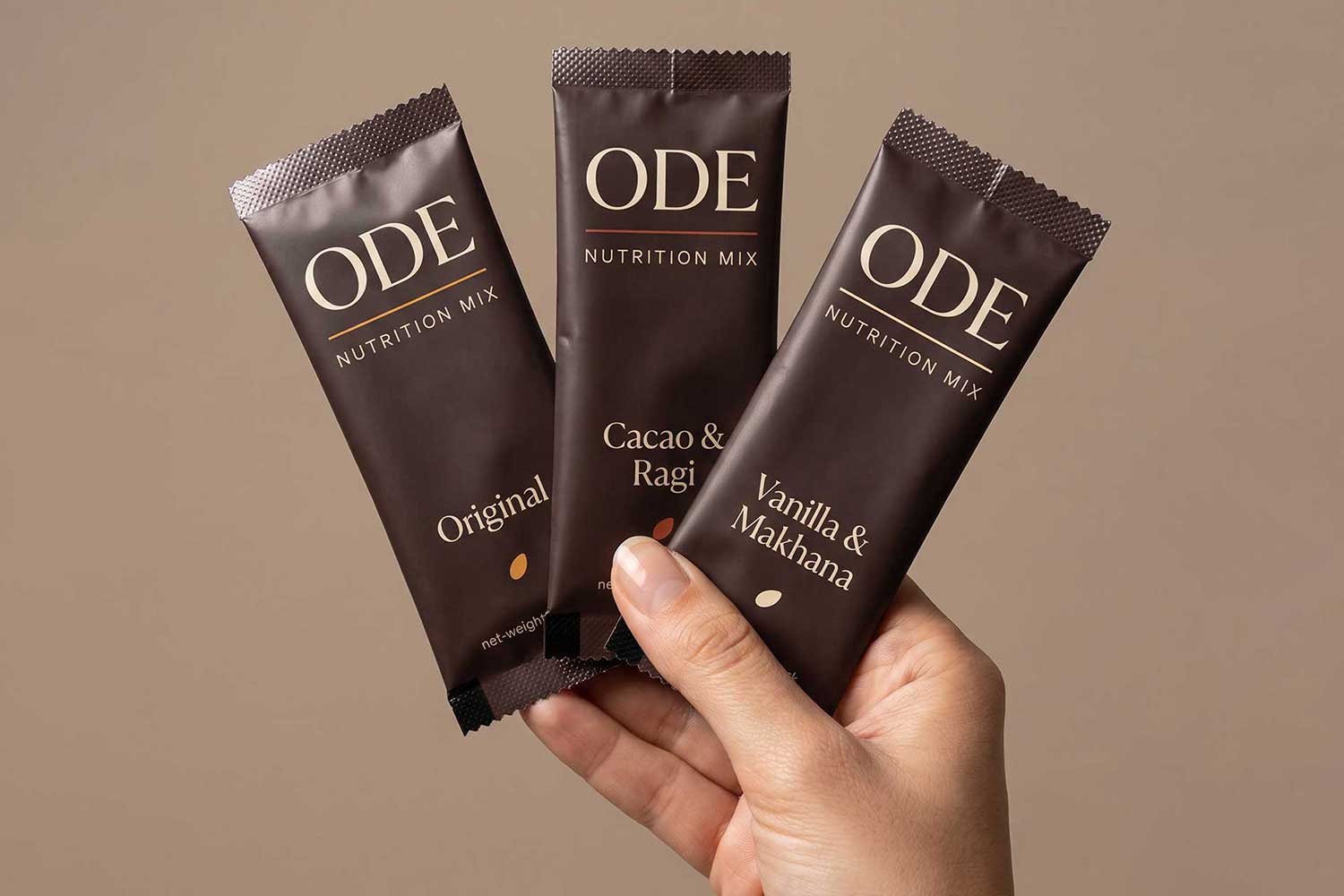
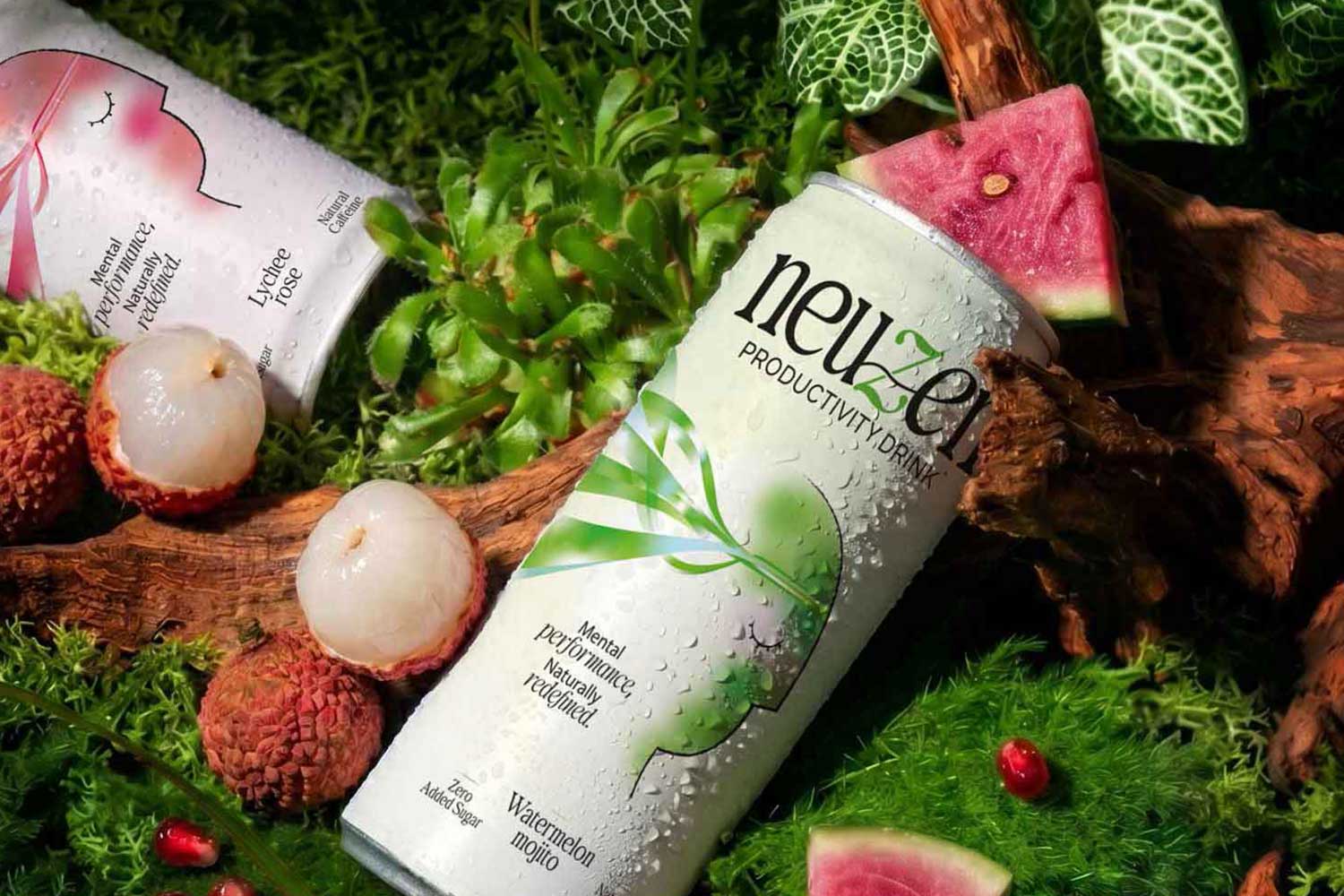
- Packaging: Packaging is where brand identity, messaging, and positioning come together in something customers can physically hold. It is often the first thing a customer interacts with, and it significantly influences their perception of the product. It is what helps a product stand out on store shelves and phone screens and drive purchase decisions.
When these product brand design and strategy elements work in sync, they create a brand that stands out, communicates values and is picked by consumers.
05 — Core PrinciplesCore Aspects of Product Branding
Understanding the Target Audience
A product cannot be for everyone. That’s why narrowing down the target audience is one of the major parts of product branding. Brands must know who their product is speaking to. For example, a luxury skincare brand will have significantly different branding than an affordable or budget skincare product, simply because they’re designed for two different sets of audiences altogether.
Understanding the target audience requires analysing their core characteristics such as age, gender, income, ethnicity, purchasing patterns, lifestyles and preferred channels.
Creating Differentiation
When it comes to consumer product branding, everything is about creating differentiation.
Unless the product offers something the competitors don't, it will be challenging to stand out in the market.
Hence, companies need to conduct research to understand how their product compares with alternatives and find ways to emphasise their own USP.
It is worth understanding that differentiating similar products does not necessarily mean having very different features every time. Sometimes it is only about presentation and positioning. For instance, a product can stand out because it provides good value for money or offers more benefits to customers.
Maintaining Consistency Across All Touchpoints
Unless the product appears consistent across all touchpoints, it will fail to create a strong image and build brand presence. Companies must ensure that their product brand is consistent and recognisable across every marketing channel.
Product branding guidelines are crucial to maintaining this consistency across channels: advertisements, social media, website design, packaging, displays, email marketing, sales presentations, influencer outreach, customer support, etc.
Another important point to note here is that consistency doesn’t mean everything has to look exactly the same everywhere. Whether it’s a social media post, a product box or a billboard, each operates in its own space, and the branding needs to adapt accordingly. However, the core must remain the same. Companies should follow the same set of guidelines and apply the brand’s identity and positioning consistently.
06 — In PracticeExamples of Effective Product Branding

Many companies have built legendary status around their products, and branding is one of the main reasons behind it.
The branding of Coca-Cola is an example of how to leave a lasting impression on consumers. Its recognisable logo, signature colour palette and typography have together built a strong identity that consumers easily recognise across markets.
Nike is another leading brand of clothing and sportswear. It has one of the best product brandings in the industry, with the famous Swoosh logo and the iconic tagline ‘Just do it’. It has marketed the logo so well that even a swoosh mark often makes people relate it to the brand.
07 — What to AvoidCommon Product Branding Mistakes to Avoid
Even though many companies invest in product branding, they often make critical mistakes that hurt the brand’s success. Some of the most common consumer product branding mistakes are as follows:
- Not Paying Attention to Product Identity: A weak brand identity can bring the product down. A product should have an identity that helps it connect with its target audience and differentiate from alternatives. Playful typography in a brand that’s trying to project itself as a heritage brand will undoubtedly confuse consumers.
- Lack of Differentiation: Making a product look and feel like any other brand is a recipe for disaster. Brands must find ways to stand out from competitors.
- Not Analysing Target Audience: Targeting everyone is a huge mistake brands make. Effective product branding is difficult unless companies fully understand who their product is meant for, and more importantly, who it is not for.
- Overcomplicated Message: Messaging that feels like it requires decoding loses customers before they ever try the product. Communicating the product’s value proposition, features, and benefits clearly and concisely is crucial.
- Inconsistency: When a product looks and sounds different across platforms, it appears messy and unreliable. Branding should be consistent across all materials and customer touchpoints so the product is easily recognised, appears trustworthy, and becomes memorable.
- Ignoring Product Packaging: Product packaging is important in branding, especially in the FMCG, food and beverage markets, so ignoring it is not an option. If it doesn’t attract attention or fails to communicate benefits and values, consumers ignore it and choose alternatives.
Avoid These Mistakes From Day One.
DN Designs builds product brands with research, strategy and consistency at the core.
From Research to Brand Identity: The Product Branding Process
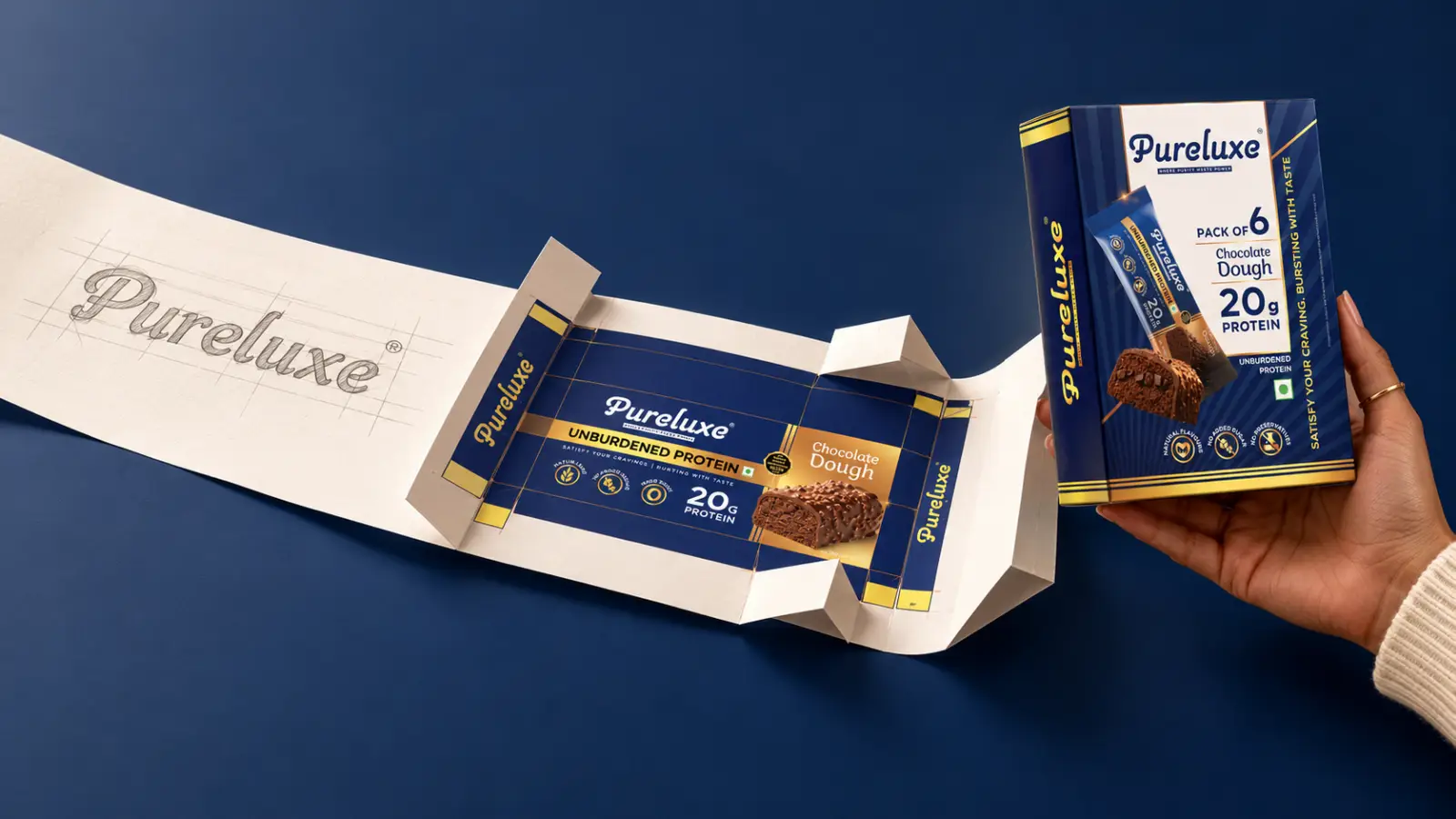
Now that the importance of product branding is established, let’s check out the key steps that consumer product branding firms typically adopt in the branding process.
- Step 1. Product Branding Research: Branding companies research the market, competition and target consumers to understand how to position the products and differentiate them from competitors.
- Step 2. Product Brand Strategy & Positioning: The next step is to develop a positioning strategy and identify the unique value proposition of the product.
- Step 3. Product Visual Identity: Designing the product’s identity, including the name, logo, colours, font, photography, illustrations, graphic styles, and other elements, follows.
- Step 5. Product Messaging: Here, the key messaging, value proposition, slogans, taglines and tone of voice are defined.
- Step 6. Packaging Design: Following this, the brand identity and messaging are incorporated into the packaging design, along with key product information and legally required information. The design is crafted to stand out on store shelves and screens and drive conversion.
- Step 7. Ensuring Consistency: Branding agencies ensure the product branding is implemented consistently across all channels, be it social media, website or e-commerce listing.
- Step 8. Launch & Feedback: Once everything is in place, it’s time for product launch in the market. Post-launch feedback suggests areas for improvement.
How DN Designs Can Help You With Product Branding
With intense market competition, your product needs more than just a pretty face to survive. It needs a brand people can remember, trust and connect with. At DN Designs, we do exactly that.
As a product branding agency, we build distinctive, strategically positioned brands that stand out and compete effectively in crowded markets. We work across industries, including FMCG, food and beverage, nutraceuticals, and health and wellness.
Our product branding services include brand research & strategy, identity design and packaging design. Along with this, we also offer website design, digital marketing, photography and animation services to help your product build a consistent presence, connect with the right audience and stand out across every touchpoint.
So, if you’re launching a new product or expanding an existing brand into a new direction, get in touch with us today!
DN Designs can help you create a unique, engaging product brand that gets noticed, builds awareness and generates profits.
Check out our case studies to know how we really go about the branding process.
Launching A New Product Or Rethinking An Existing One?
Let DN Designs build a product brand people remember, trust and connect with.