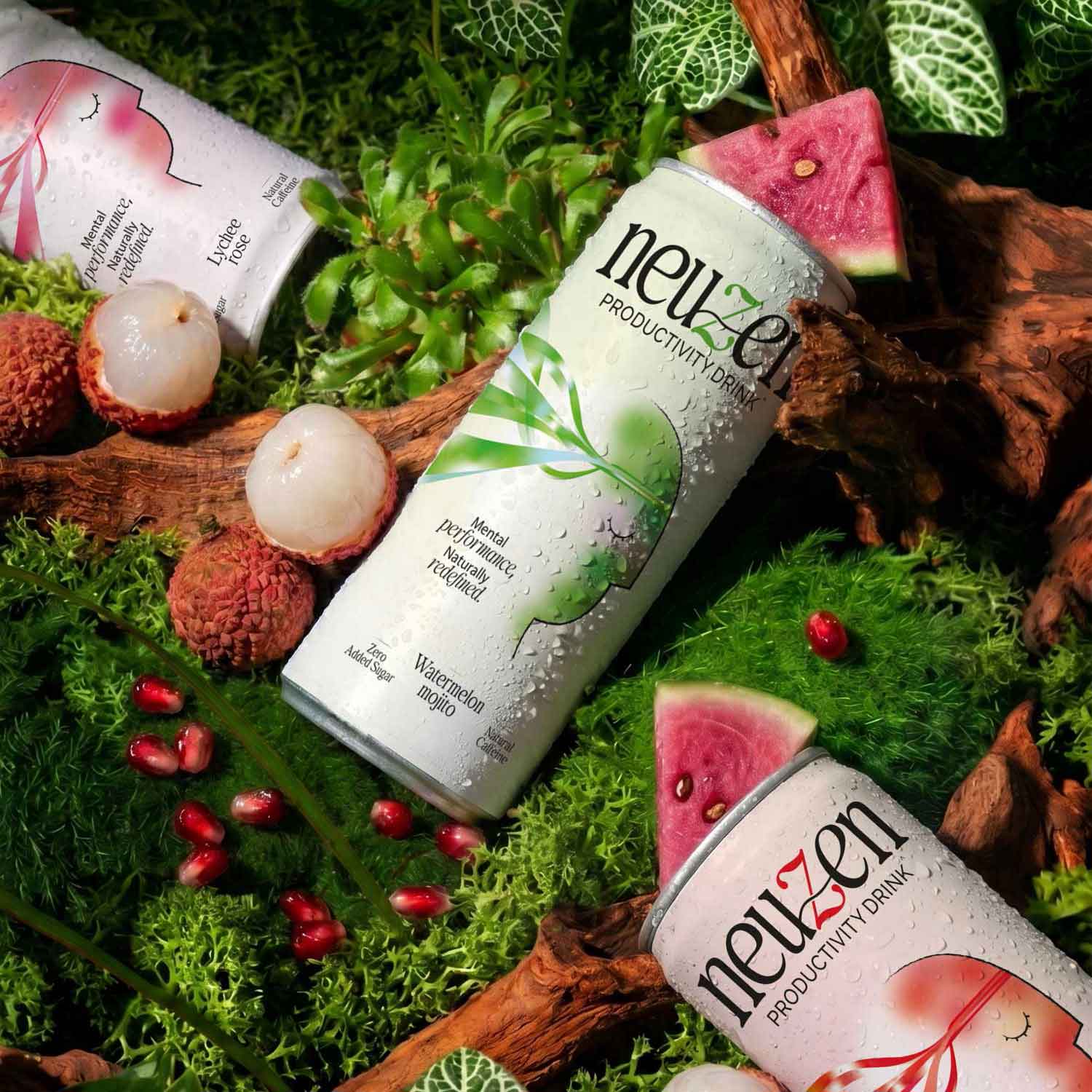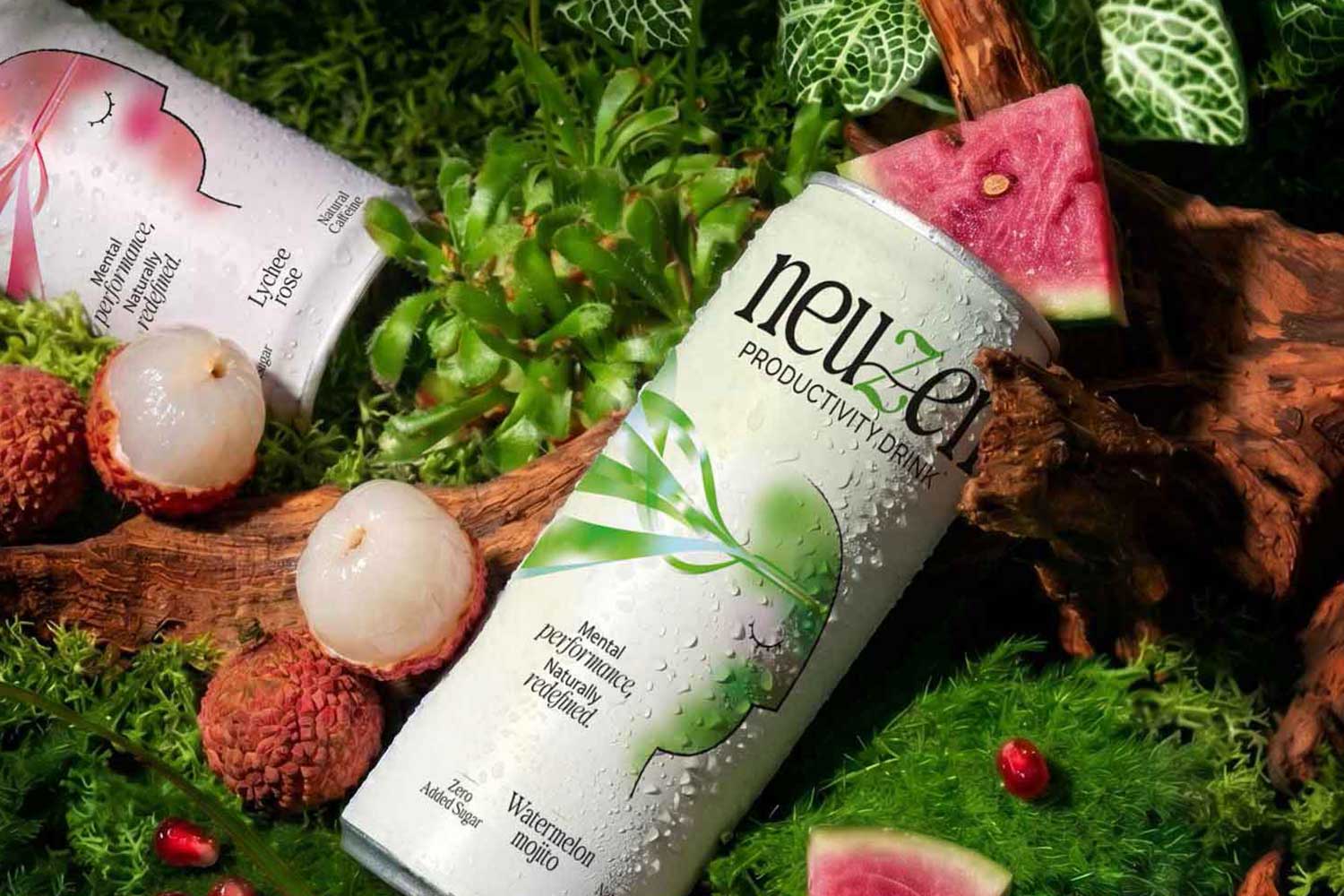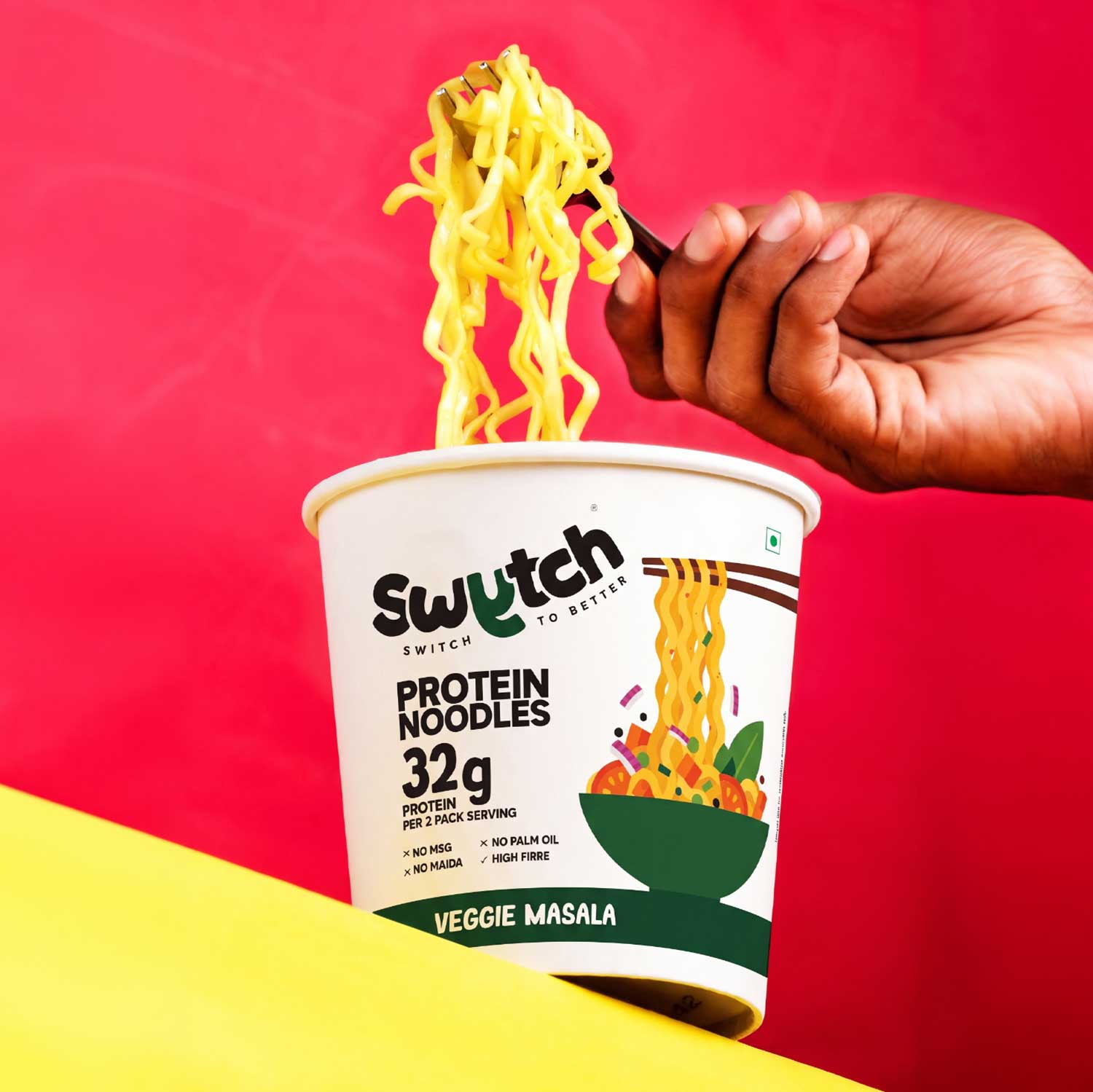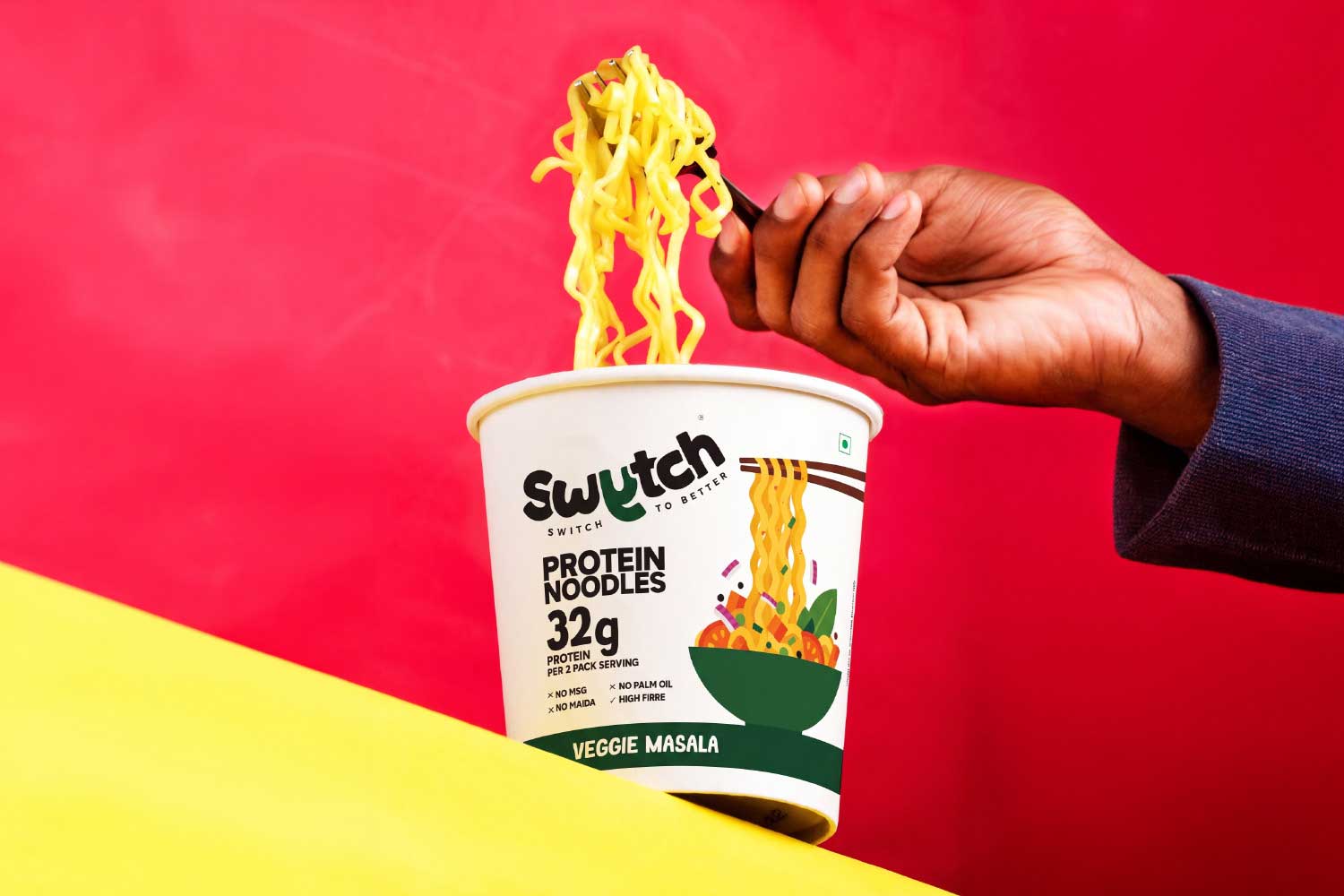

Why Wellness Branding and Packaging Design Have Become Essential
The global wellness economy hit roughly $6.8 trillion in 2024 and is on track to approach $9.8 trillion by 2029. Every sector within it has now overtaken its pre-pandemic numbers, and the spending shows no sign of slowing. Global Wellness Institute.
That growth sounds like good news for everyone in the category, and it is, but it comes with a catch. More brands mean more sameness. Two supplements or two wellness drinks can carry near-identical ingredients, near-identical claims, near-identical pricing and still get picked very differently by the same customer standing in front of them. The deciding factor usually isn't just the formula. It's also everything wrapped around it.
A few things back this up:
- Packaging design alone shapes a large majority of first-time purchase decisions, simply because it's the first thing a buyer sees.
- A significant share of all purchase decisions is made right at the point of sale, where packaging is often the only real point of difference between two products.
- Consumers increasingly judge sustainability and quality through packaging cues before they ever check the ingredient panel.
This is the real reason branding and packaging design have stopped being a finishing touch in wellness. It has become the growth lever for building trust and transparency in this category.
02 — The DefinitionWhat Wellness Branding and Packaging Design Actually Mean
These two things get treated as separate jobs more often than they should be. In reality, they're one conversation.
Branding is the reason a customer recognises and feels something toward a product before they've used it: the identity, positioning, the tone and the promise being made.
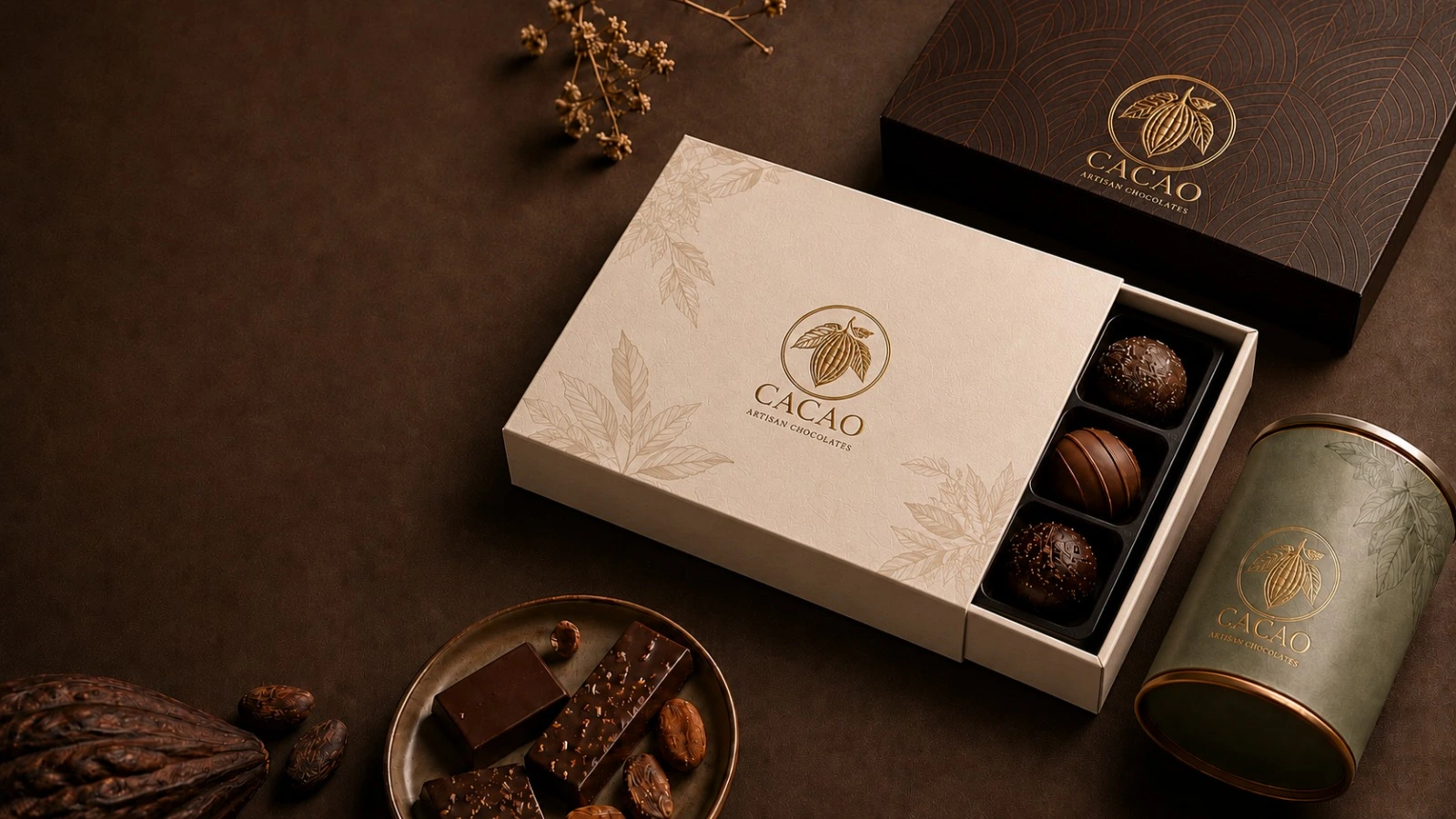
Packaging Design is where that promise is reflected: the shape, the colour system, the words on the front, the unboxing moment.
When they're built apart, the result usually feels disjointed: a confident website attached to a forgettable bottle, or sharp packaging propping up messaging that doesn't match. When they're built together, a wellness brand starts to feel credible and trustworthy, as if it couldn't have looked any other way.
03 — The AudienceHow the Wellness Buyer Has Changed
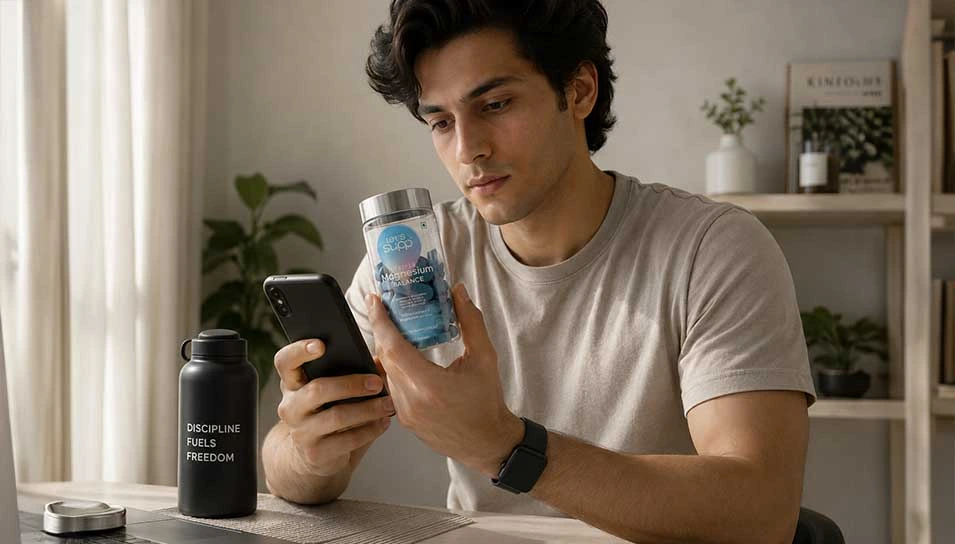
Today, a wellness shopper isn't easily won over by a bold claim on its own. A few shifts are worth noting:
- People increasingly read packaging itself as a trust signal, not just decoration; clean design and clear information are now read as proxies for product quality.
- A large majority of consumers say they're more likely to buy from a brand whose packaging feels considered or sustainable, and many have actively chosen products on that basis in the past few months alone.
- Minimal, uncluttered packaging is consistently rated as more desirable and trustworthy than anything heavily decorated or "loud."
The takeaway is simple: people aren't just buying a product anymore. They're buying the version of the brand that looks like it has nothing to hide.
Ready to Build a Wellness Brand That Earns Trust Through Design?
Talk to ExpertsWhat Separates Wellness Brands That Grow From Brands That Get Stuck
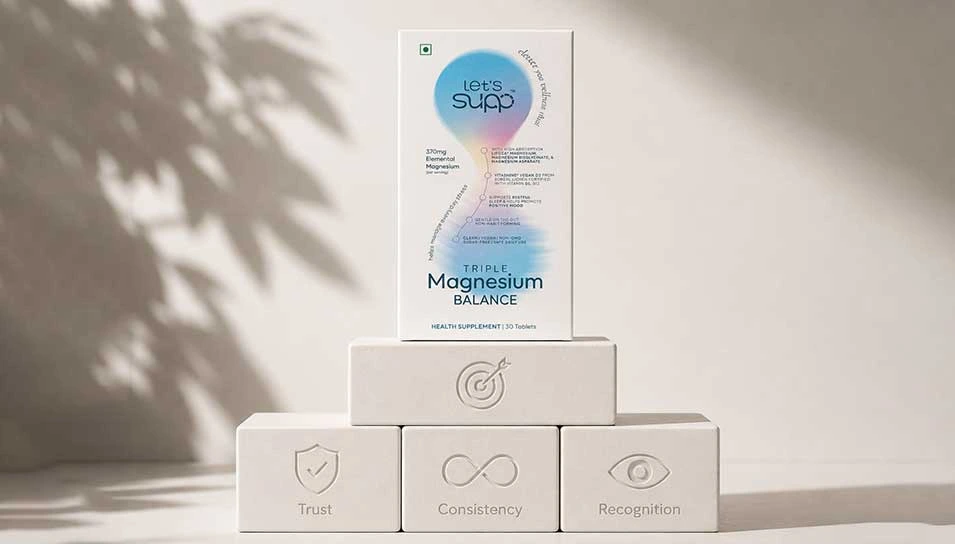
A handful of decisions tend to repeat across the wellness brands that actually compound over time.
Sharp Positioning
Knowing exactly who the product is for and saying so without hedging or trying to please everyone at once.
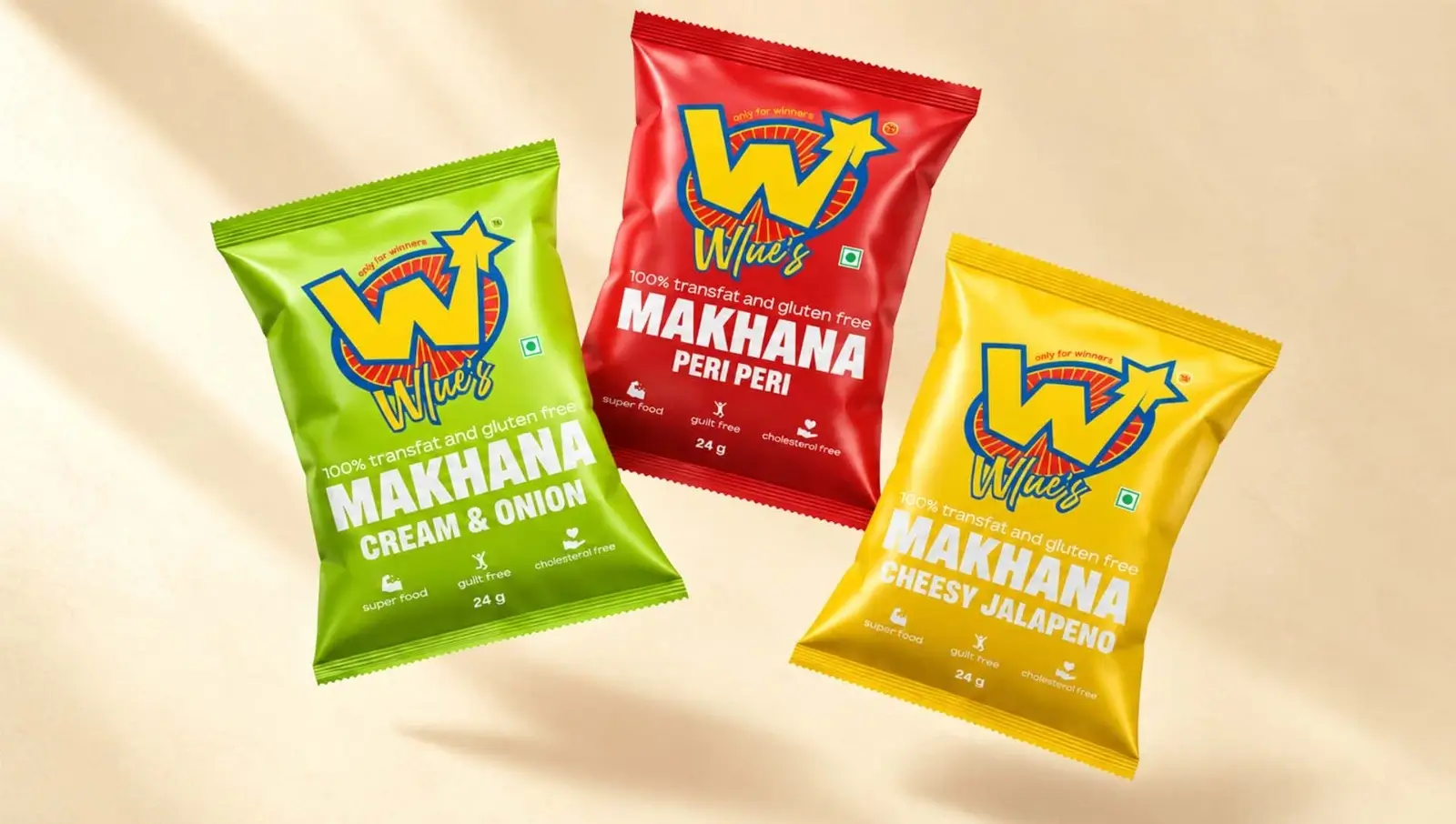
One Packaging System, Not Isolated Packs
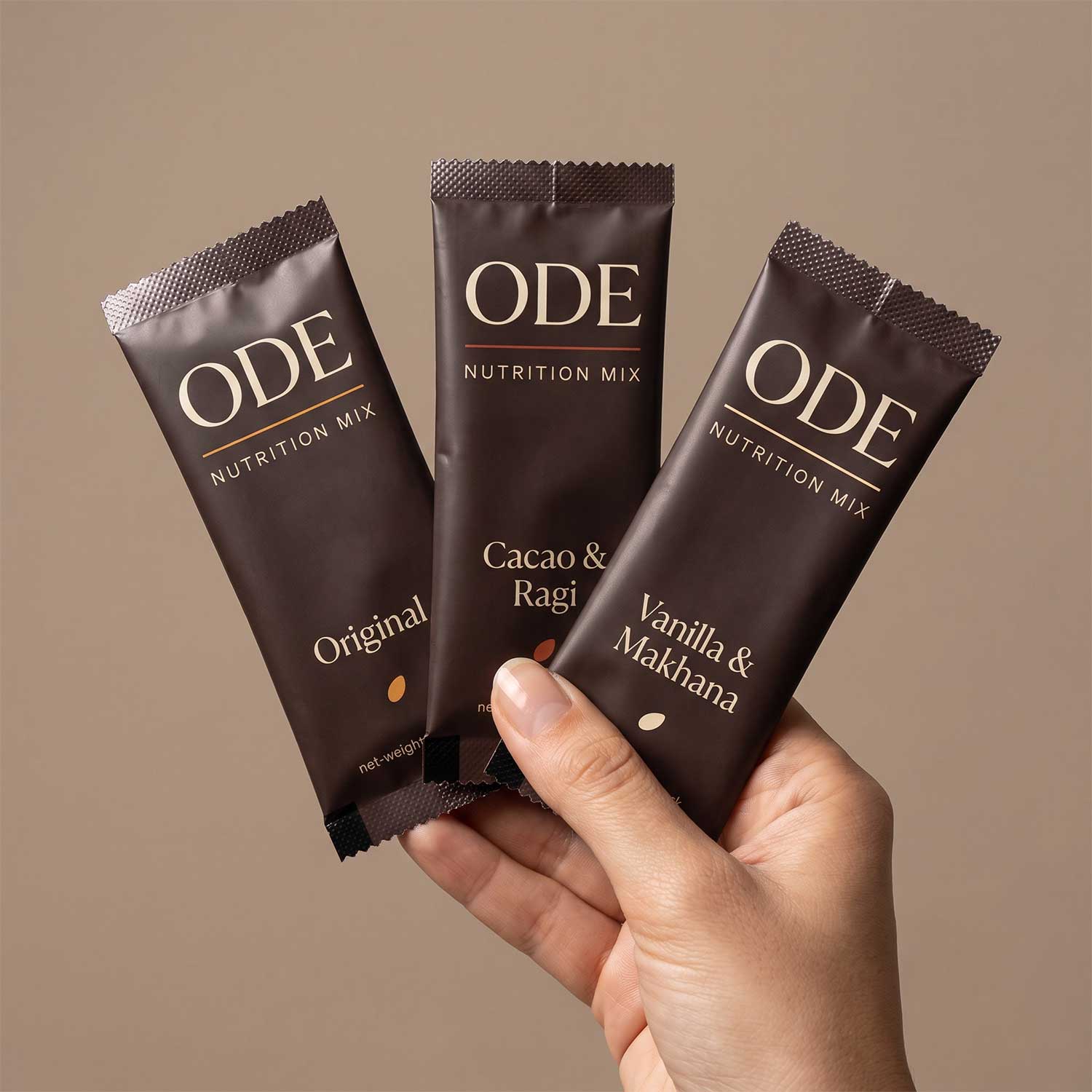
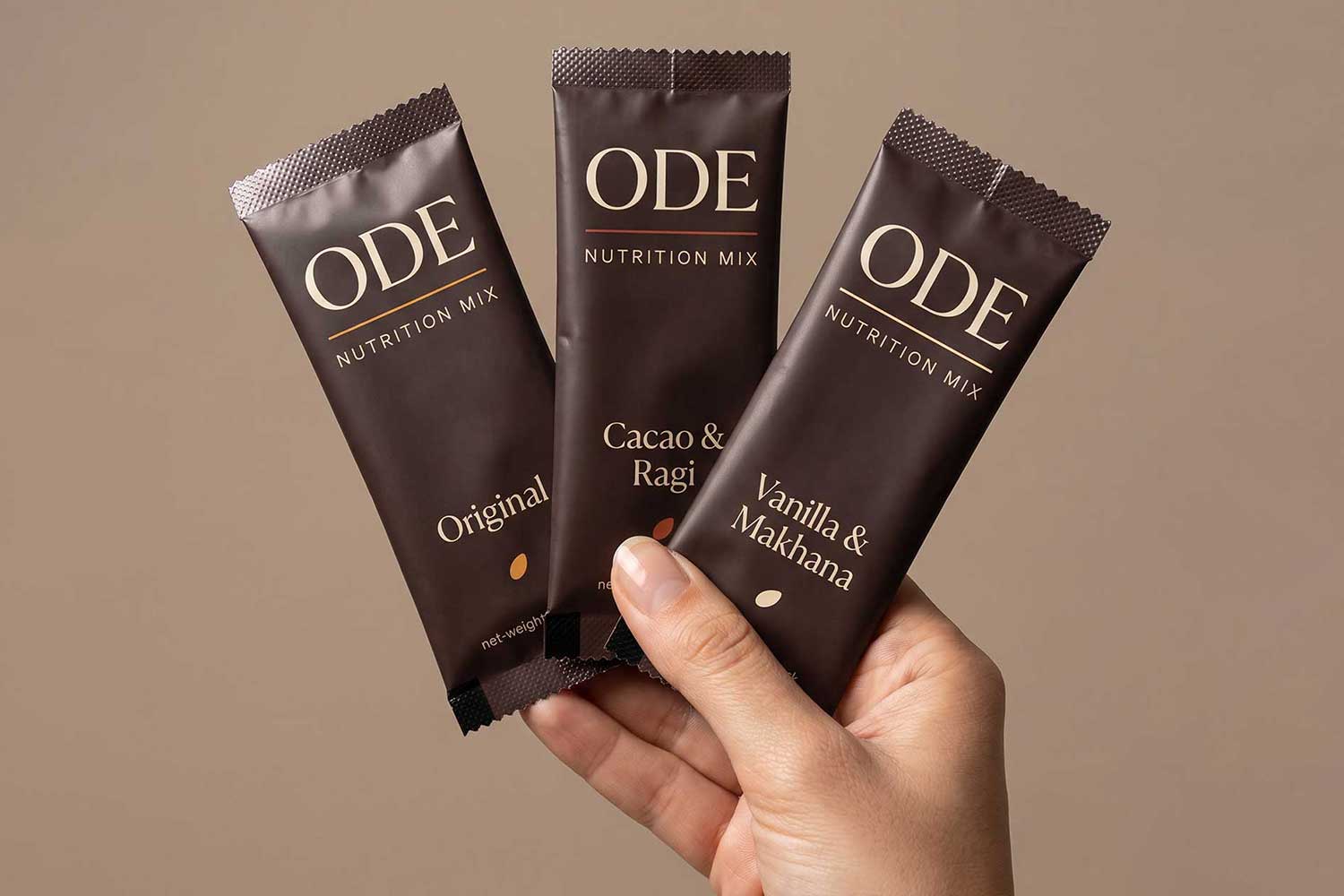
A shared visual language across products, so trust in one item transfers instantly to the next without the customer having to relearn the brand each time.
Credible Tone
Confident without sounding inflated, and simple without sounding thin on substance. Wellness customers can tell the difference between genuine clarity and a brand that's simply avoiding the detail.
Consistency Everywhere
The website, the box, the social caption and the customer service email all sound as if the same person wrote them.
A Distinctive Visual Cue
A shape, colour or pattern recognisable from a few feet away, before a single word is read, that eventually becomes shorthand for the brand itself.
None of this is surface-level polish. Done properly, it becomes a real business asset that keeps paying off long after the product formulation has been quietly improved twice over, because trust was never tied to one specific version of the product in the first place.
05 — The ImpactWhere This Shows Up in the Numbers
Strong, considered branding and packaging design rarely stay abstract for long. Founders tend to see it show up as:
- Faster recognition, both on shelf and while scrolling.
- Higher repeat purchase rates, since familiarity builds quiet confidence.
- Pricing power, because a brand that looks considered doesn't need to compete purely on discounts.
- Word-of-mouth that costs nothing, because customers recommend things that feel genuine.
None of this requires a bigger marketing budget. It requires effective branding and packaging design.
06 — Our WorkSpotlight Project Building Ritual and Clarity With Let's Supp
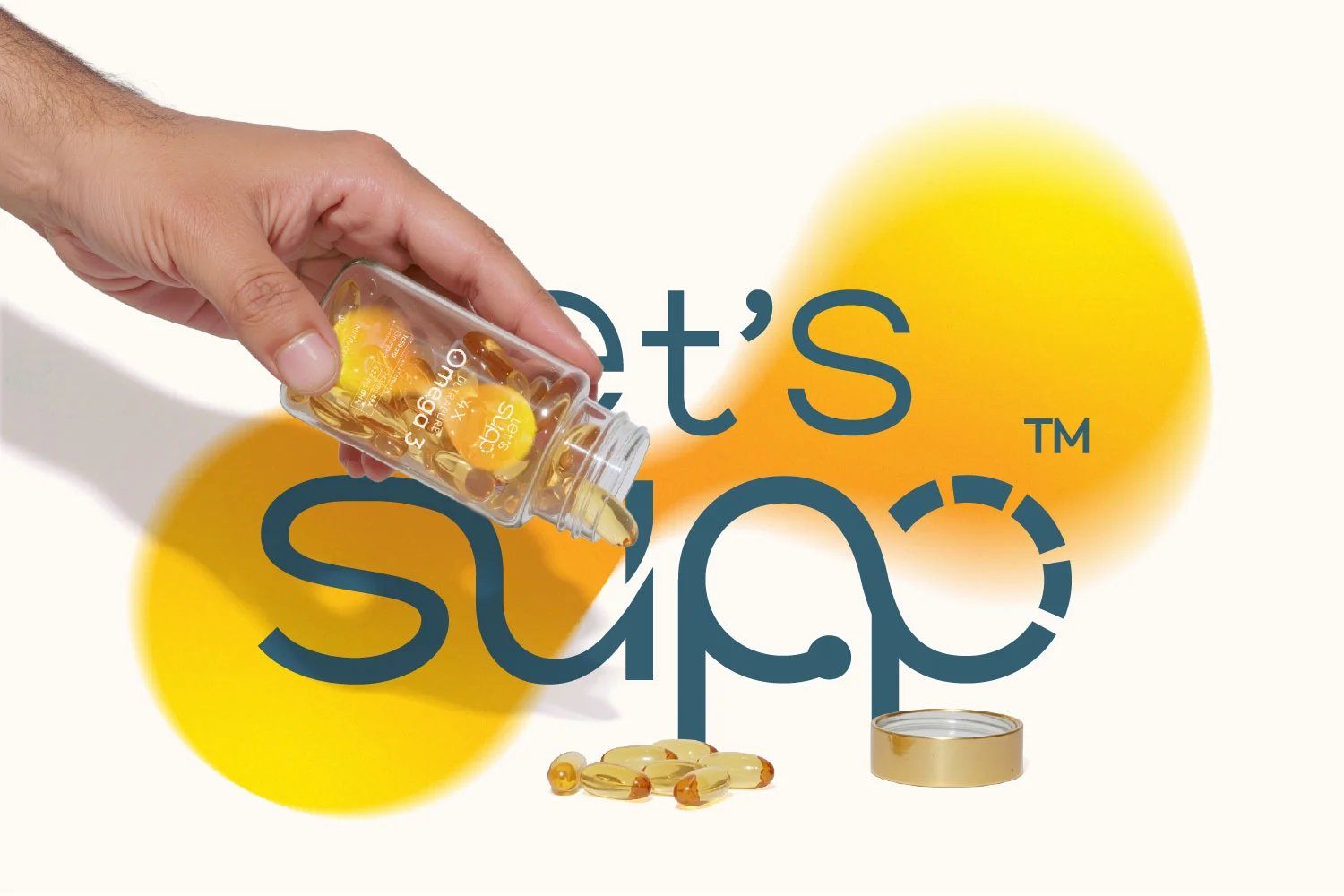
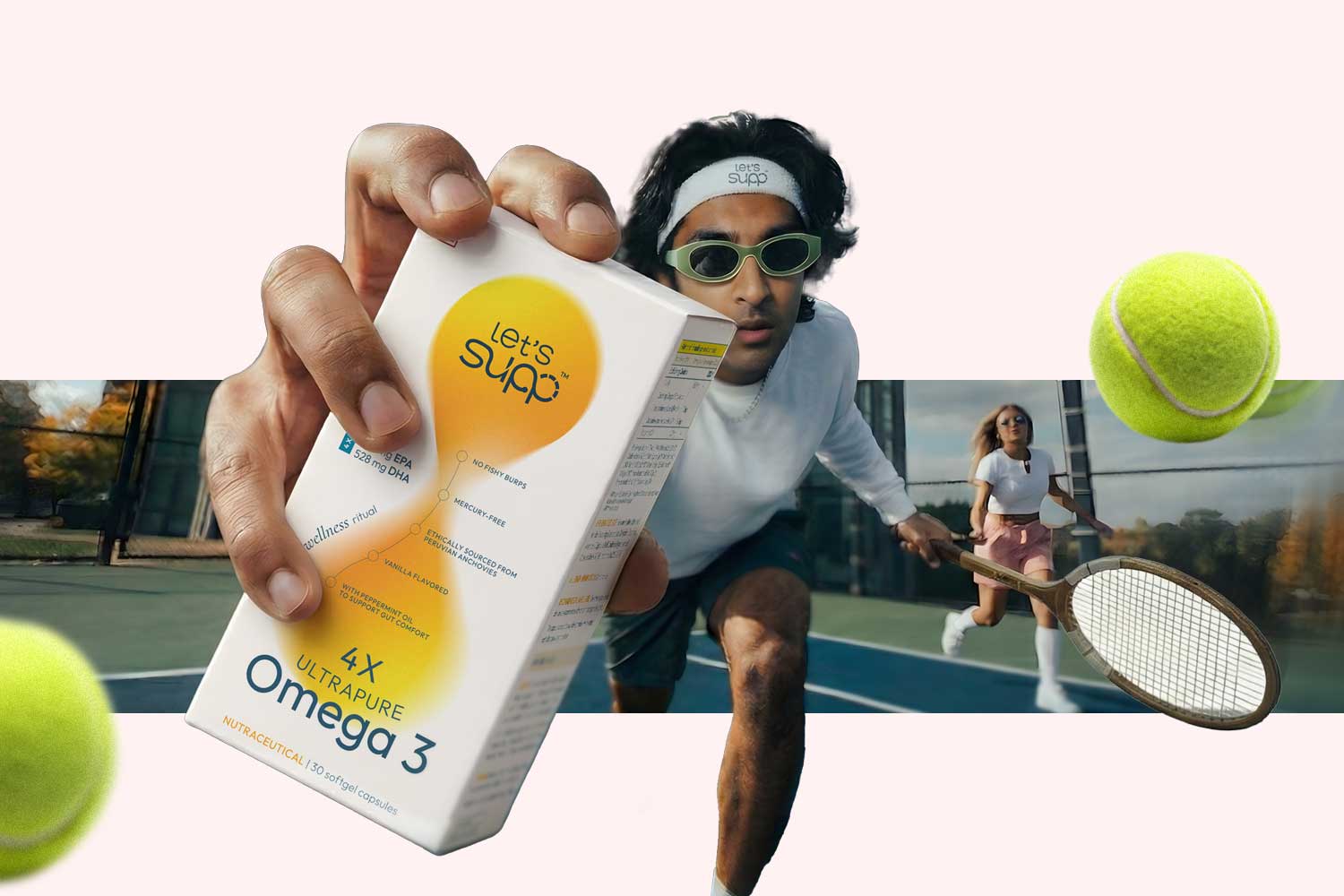
The nutraceutical and supplements segment is one of the most competitive corners of the wellness space, traditionally crowded with clinical-sounding claims and visually overwhelming packaging that appears quite complicated to a first-time buyer.
 View Case Study
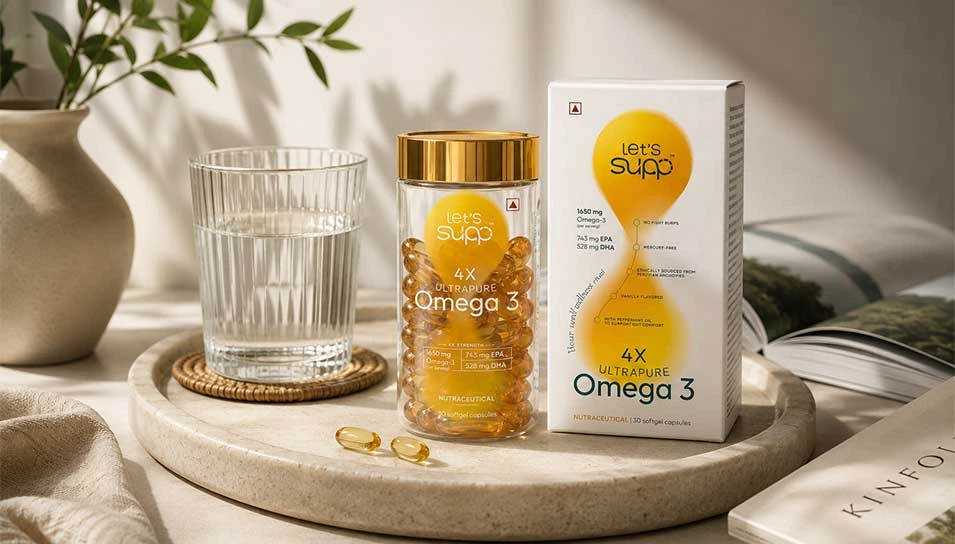
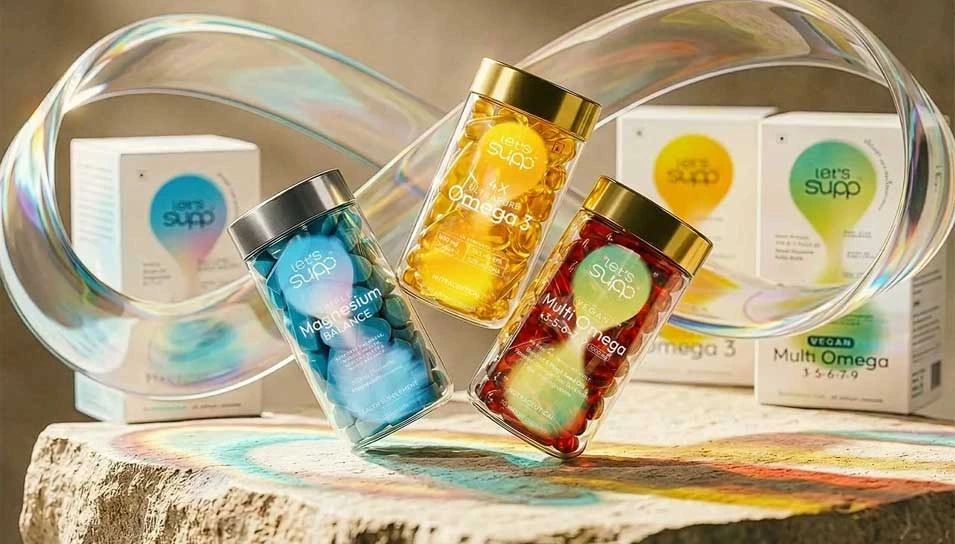
The organic, flowing symbol is the structural logic governing the entire identity system and guides both the brand logo and the packaging system. The packaging design is organised with a clear, intuitive hierarchy, ensuring users can quickly and confidently understand the products.
Distinct colours separate categories while keeping every product visually tied back to one identity, so the range reads as a single, considered brand rather than a loose collection of SKUs.
The identity translates seamlessly across digital and physical environments, creating a unified ecosystem where each interaction reinforces recognition, clarity and trust. The voice, too, is calm and reassuring.
Project Gallery View the Full Project on Instagram
Exploring Ideas for Your Wellness Brand? We Would Love to Help.
Get in TouchThe Part That's Easy to Get Wrong
Wellness claims are scrutinised harder than almost any other category right now, and that's reasonable because people's health decisions sit on the other side of that label. Packaging marks and certifications aren't decoration; they're a trust signal for the customer and a credibility marker for the brand. Overstating what a product does might win one sale. It rarely keeps that customer around for the next ten and word travels fast when a brand has been caught exaggerating.
08 — Final ThoughtsTrust Is the One Thing That Can't Be Reformulated Overnight
The wellness brands pulling ahead in 2026 aren't necessarily the ones with the most novel formula. They're the ones that thought carefully about every single moment a customer encounters them, from the first glance at the packaging to the unboxing weeks later.
At DN Designs that's the work we keep coming back to. We help wellness brands design that whole journey with intent from the very start. Everything else in this category can eventually be copied. Trust, once it's properly built, can't be.
Planning to Build a Wellness Brand That Lasts? Start With Smart Branding.
Call us at +91 94160 11100 to achieve success.