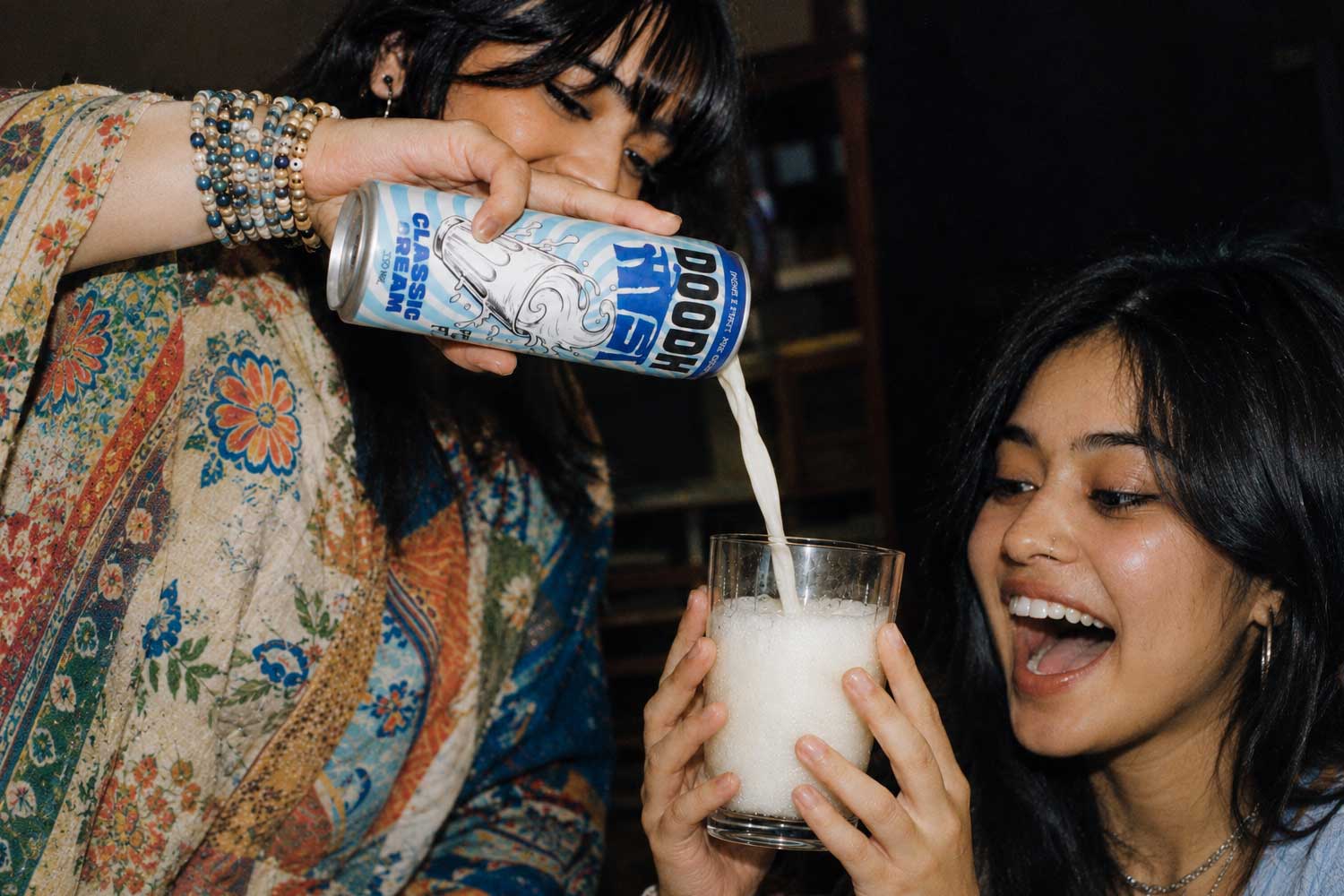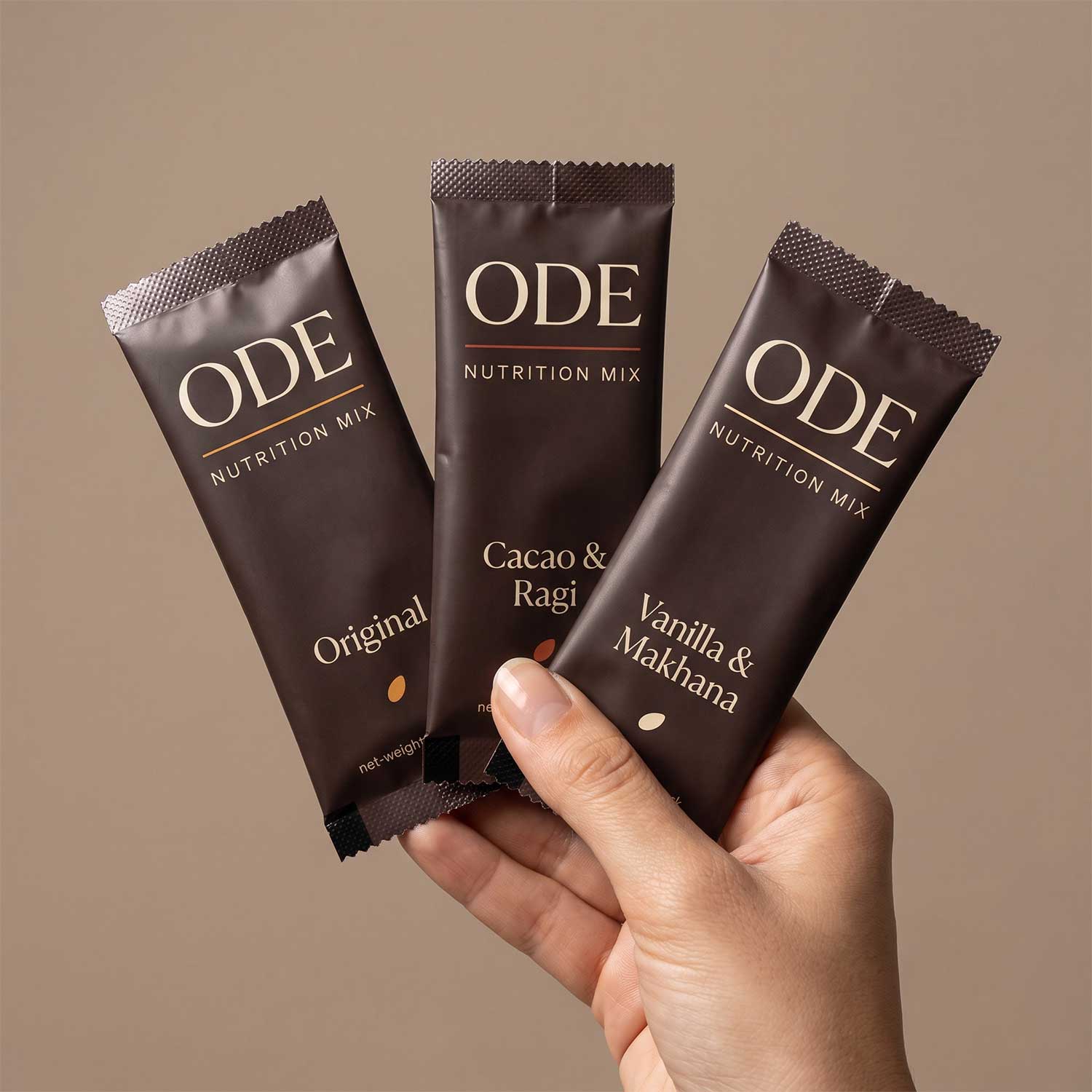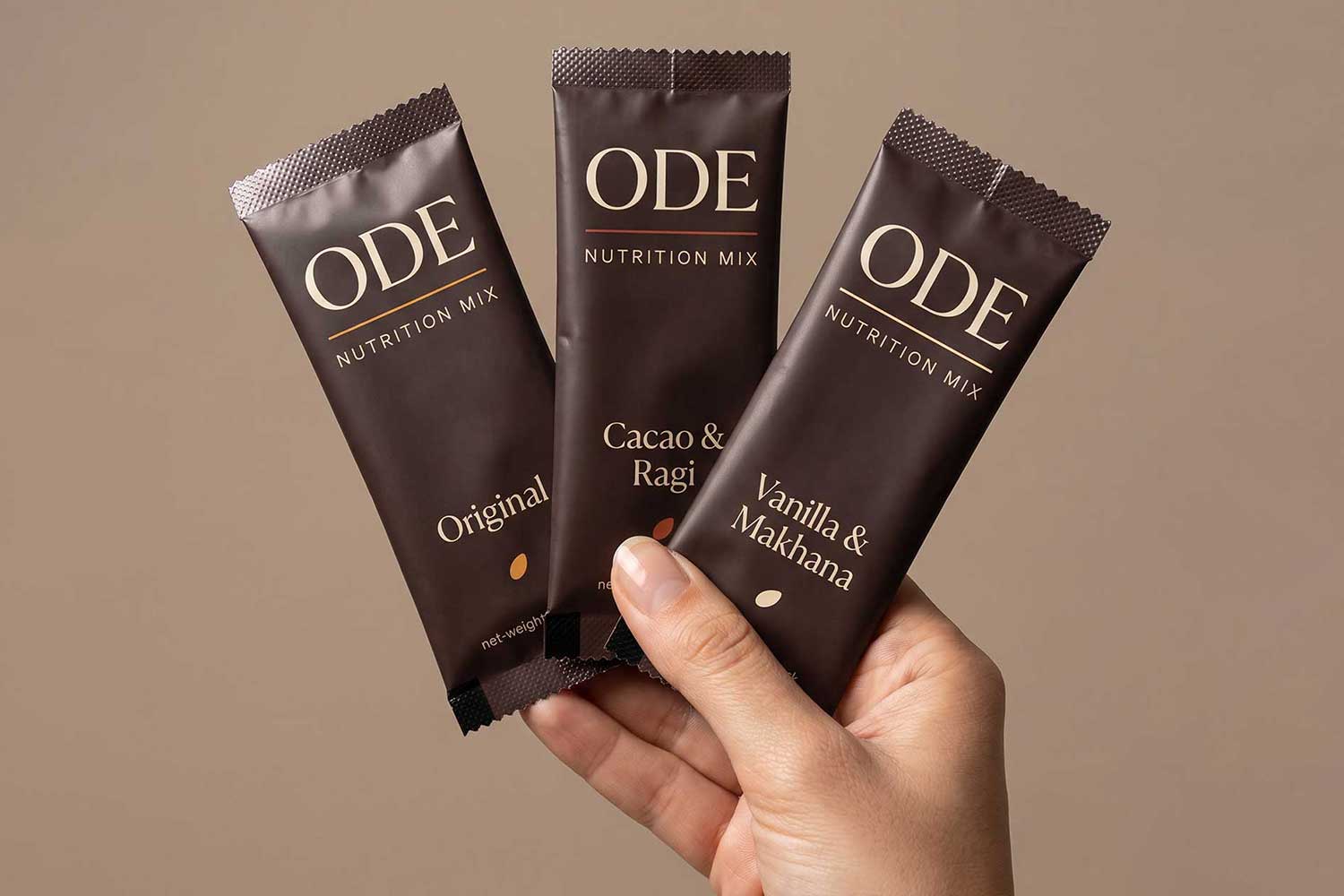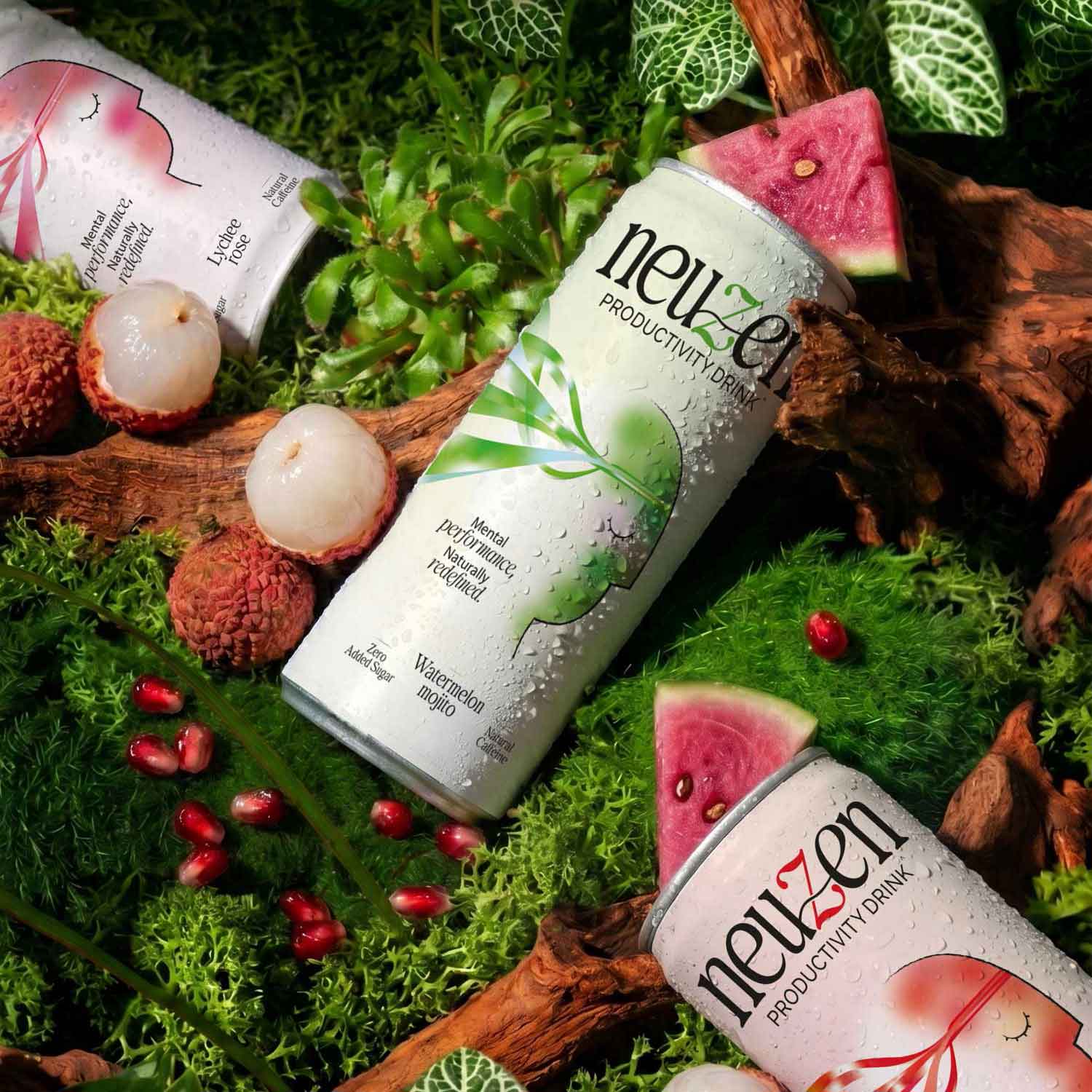
What Does the Confectionery Category Actually Cover?
Confectionery is broader than most founders assume when they enter it.
- Chocolate — Bars, truffles, pralines, coated products.
- Sugar confectionery — Hard candies, gummies, lollipops, toffees, caramels, gums, mints.
- Bakery and sweets — Cookies, biscuits, cupcakes, Turkish delight, Indian mithai.
- Gifting formats — Hampers, seasonal collections, premium boxed assortments.
- Better for you — Sugar-free, low-calorie, fortified, vegan variants.
Purchasing decisions in this category are fast, emotional and heavily influenced by what the product looks like before it's ever tasted.
"Confectionery competes on feeling first and formulation second. The brand gets them there. The flavour gets them back."
It makes confectionery branding not a nice-to-have, but the first purchase driver.
02 — The DefinitionWhat Confectionery Branding and Packaging Actually Mean
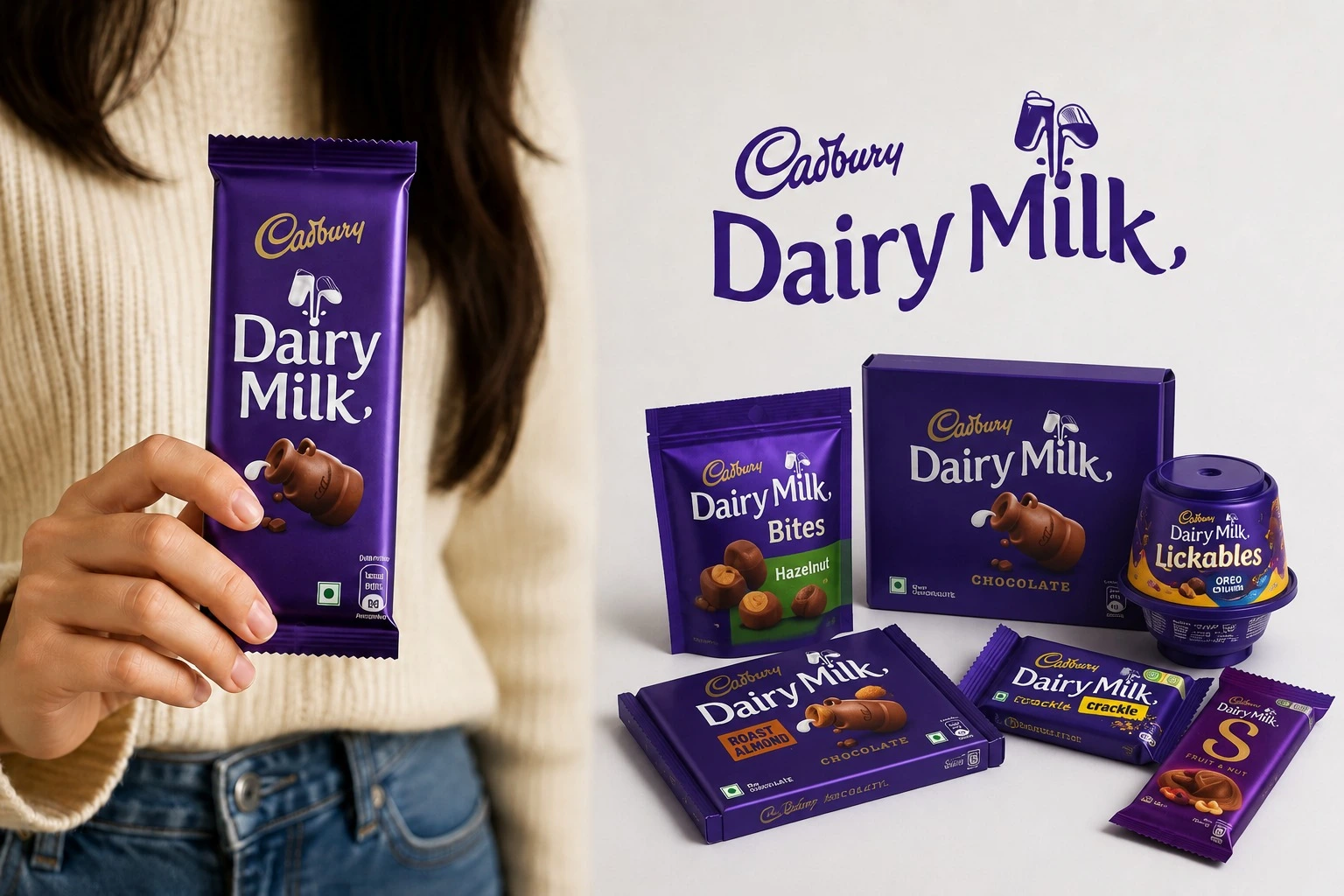
Branding is the reason a consumer picks your product over the one next to it. Packaging is how that reason shows up in the real world on the shelf, in the gifting bag, on the quick commerce listing.
- Brand Identity: Name, logo, colour language, typeface, brand character.
- Brand Strategy: Positioning, tone of voice, target audience, competitive differentiation.
- Brand architecture: How your SKUs, variants, and sub-ranges relate to each other visually.
- Packaging design: Structural format, materials, label layout, information hierarchy.
Get one of these wrong, and it undermines the rest. A strong identity on weak bakery packaging design loses at the shelf. Good bakery packaging design with no strategy loses at the brand level: no recall, no loyalty, no premium.
03 — The Hard PartThe Real Challenges in Confectionery Branding
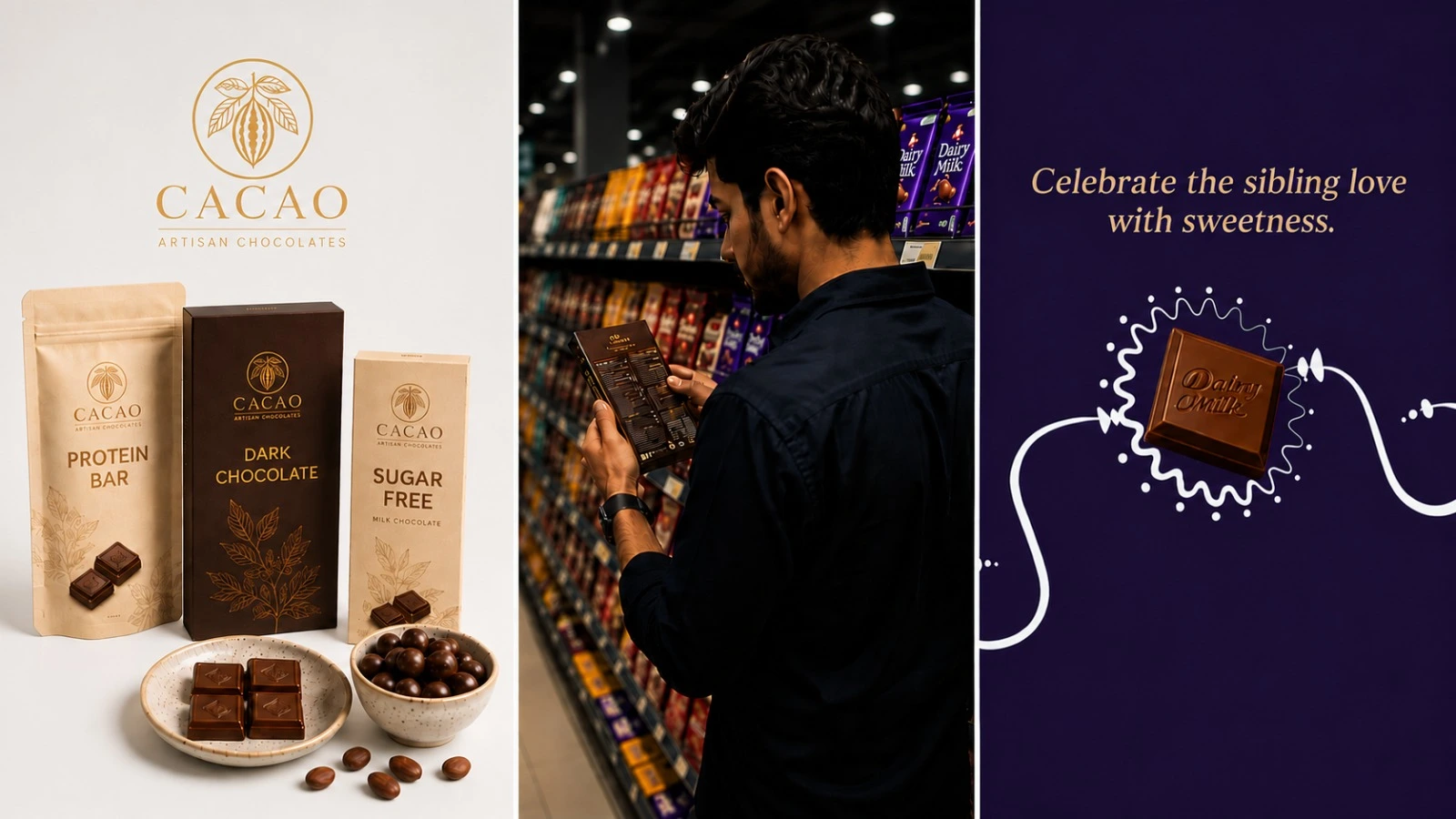
This category looks fun from the outside. Founders often underestimate what makes a bakery, a chocolate, a candy or sweets brand stand out and win.
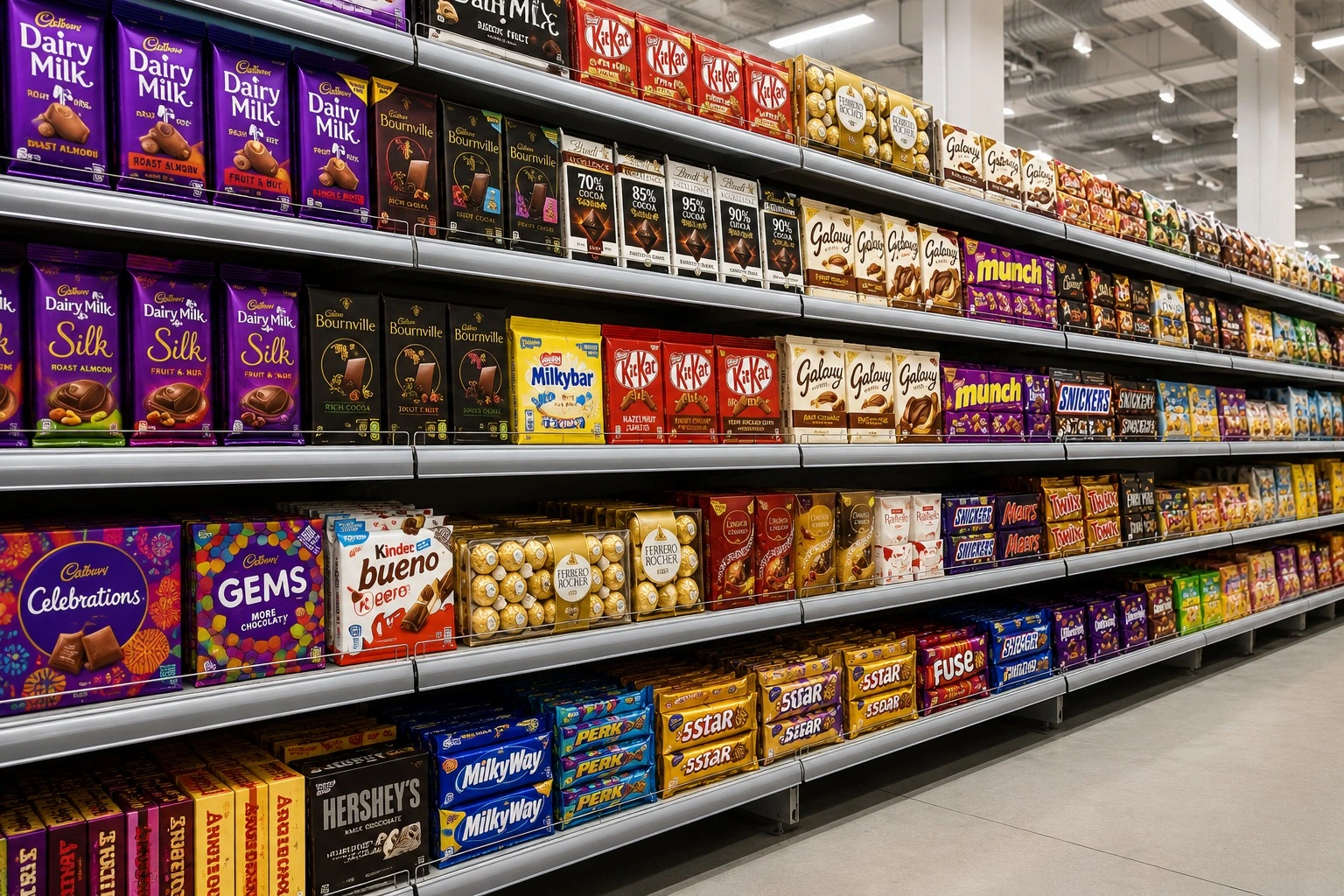
Shelf Noise
The confectionery aisle is one of the most visually cluttered retail environments. A shopper's eye pauses for roughly two seconds, and your pack either earns that pause or loses it.
Getting noticed takes real design confidence. A pretty logo is not enough.
Impulse vs. Considered
Some confectionery like candy, chocolate and sweets is grabbed without thought; some is researched, compared and gifted. Your brand needs to work across both without losing coherence.
Most brands accidentally optimise for one mode and confuse buyers in the other.
Label Scrutiny
Consumers are reading ingredients more than ever. Clean labels, honest claims and readable nutrition panels are no longer optional, especially in the premium and health-adjacent space.
If your sweets packaging design buries or avoids this information, it signals something. Usually the wrong thing.
Channel Readiness
Modern trade buyers assess confectionery packaging design as part of the listing decision. Quick commerce has its own image. A product built for local store shelves usually fails both.
This is not a design problem. It is a brand-readiness problem.
Price-Tier Mismatch
When your brand looks mid in market but your price says premium, the packaging is actively working against the brand.
Visual signals set price expectations before the consumer reads the tag or ingredient list. Fix the design first, then defend the price.
04 — The FrameworkElements of Effective Confectionery Branding and Packaging
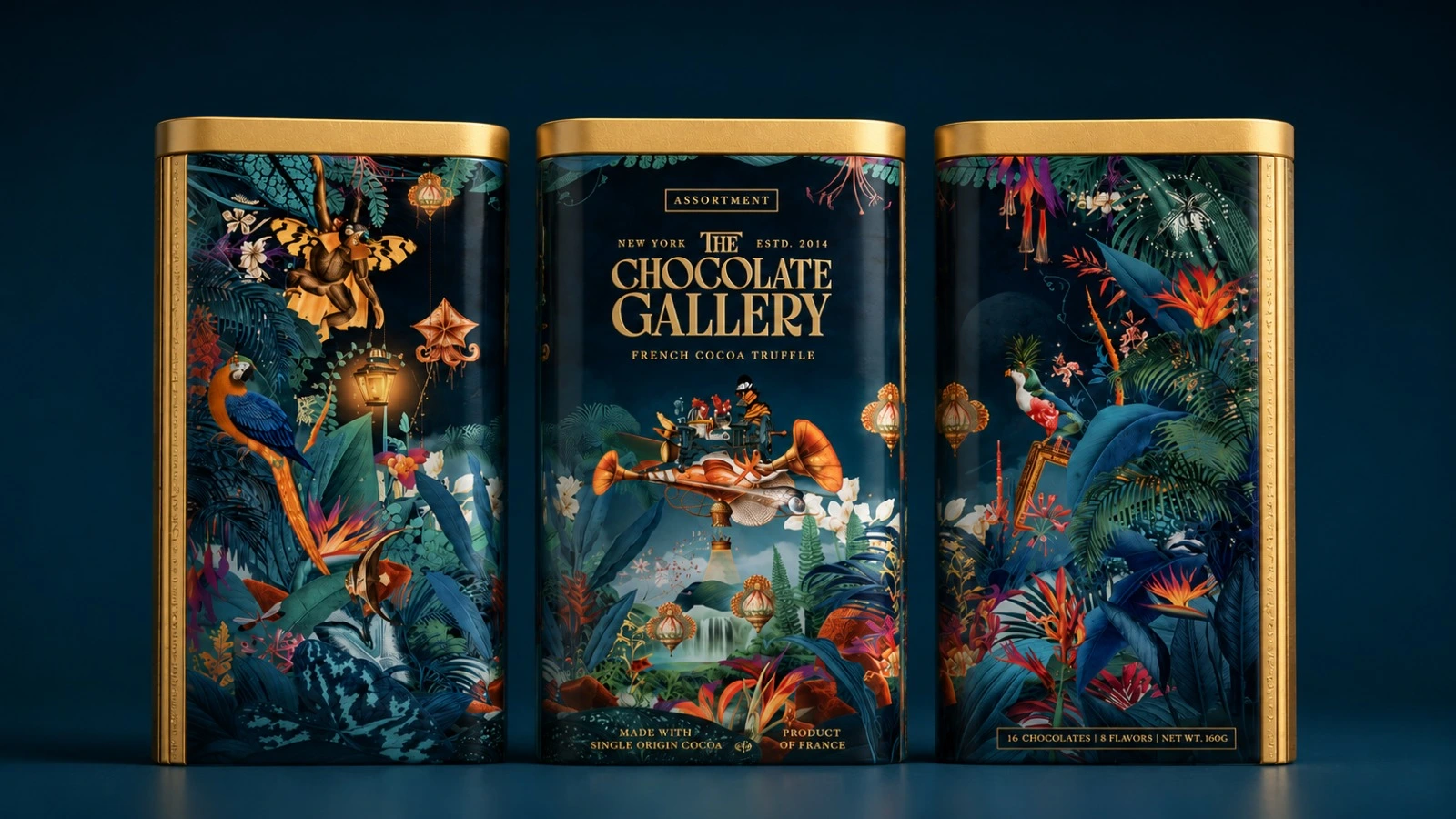
These are not optional. These are core elements that play a pivotal role in making your brand a success.
- Brand Positioning — Who is this for? What moment does it serve? What is the one thing you want someone to feel when they see your chocolate or bakery product? Ambiguity at the strategy level produces generic design.
- Brand Story And Voice — Copy that sounds like a person, not a press release. Origin cues, founder story or process narrative where relevant. A consistent voice that travels from pack to social to website.
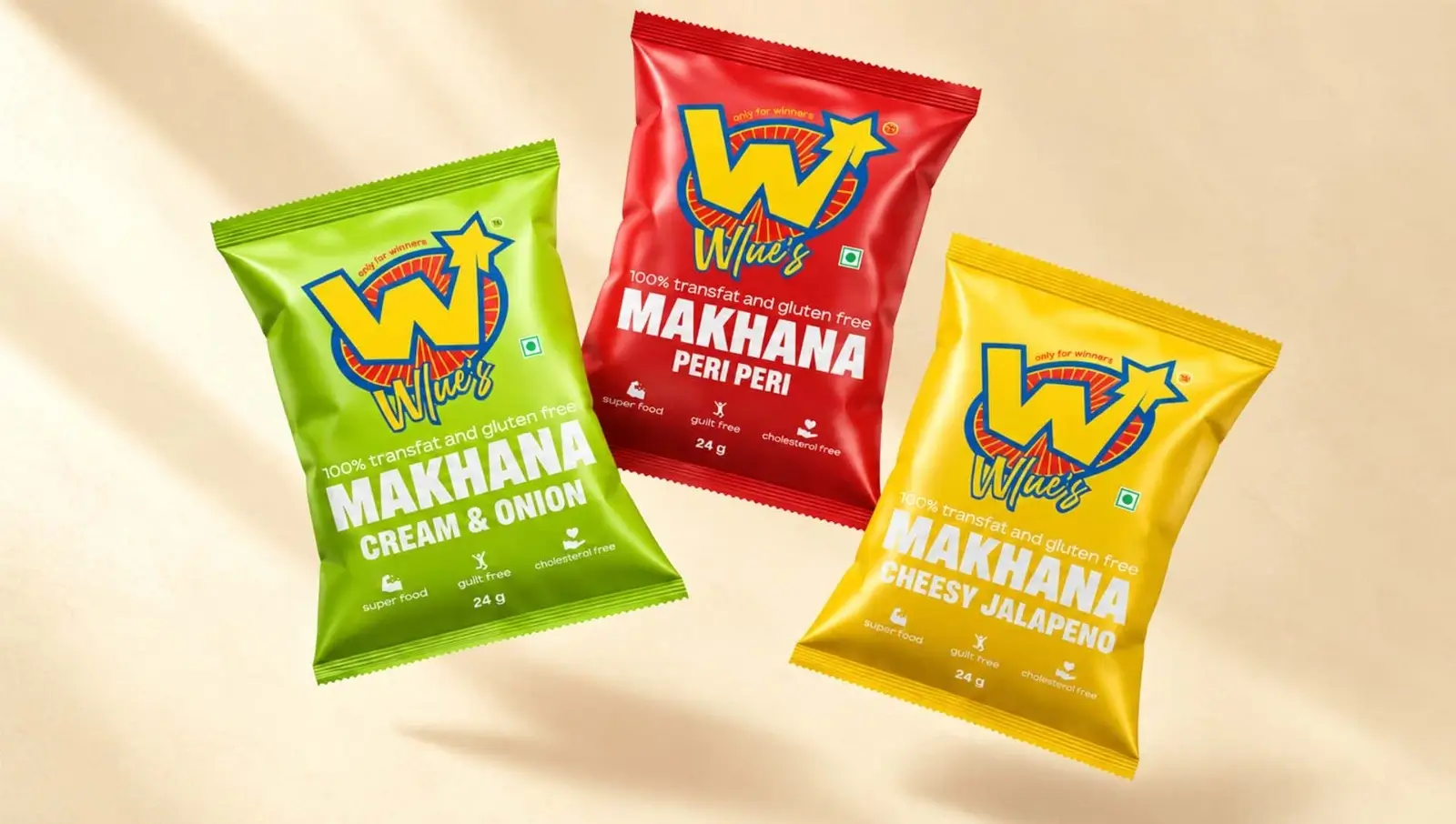
- Visual Identity — Logo, colour palette and typeface that reads clearly on a 10g sachet, a 500g box, a gifting hamper, and a 100×100px app thumbnail. Most confectionery brands discover shelf-format problems only after print.
- Information Architecture — What is the first thing your consumer needs to see? The brand name, the flavour, the health claim, the certification hierarchy determines whether packaging communicates or confuses.
- Differentiation — The thing your bakery, chocolate or sweets packaging design does that no one else in your shelf set does. Could be structural, colour, illustration style, material, or messaging angle.
- Consistency As A System — Brand standards that can be applied across formats, across SKUs and across platforms. Without documented guidelines, every new addition to your range becomes a negotiation.
How the Confectionery Consumer Segment Has Evolved
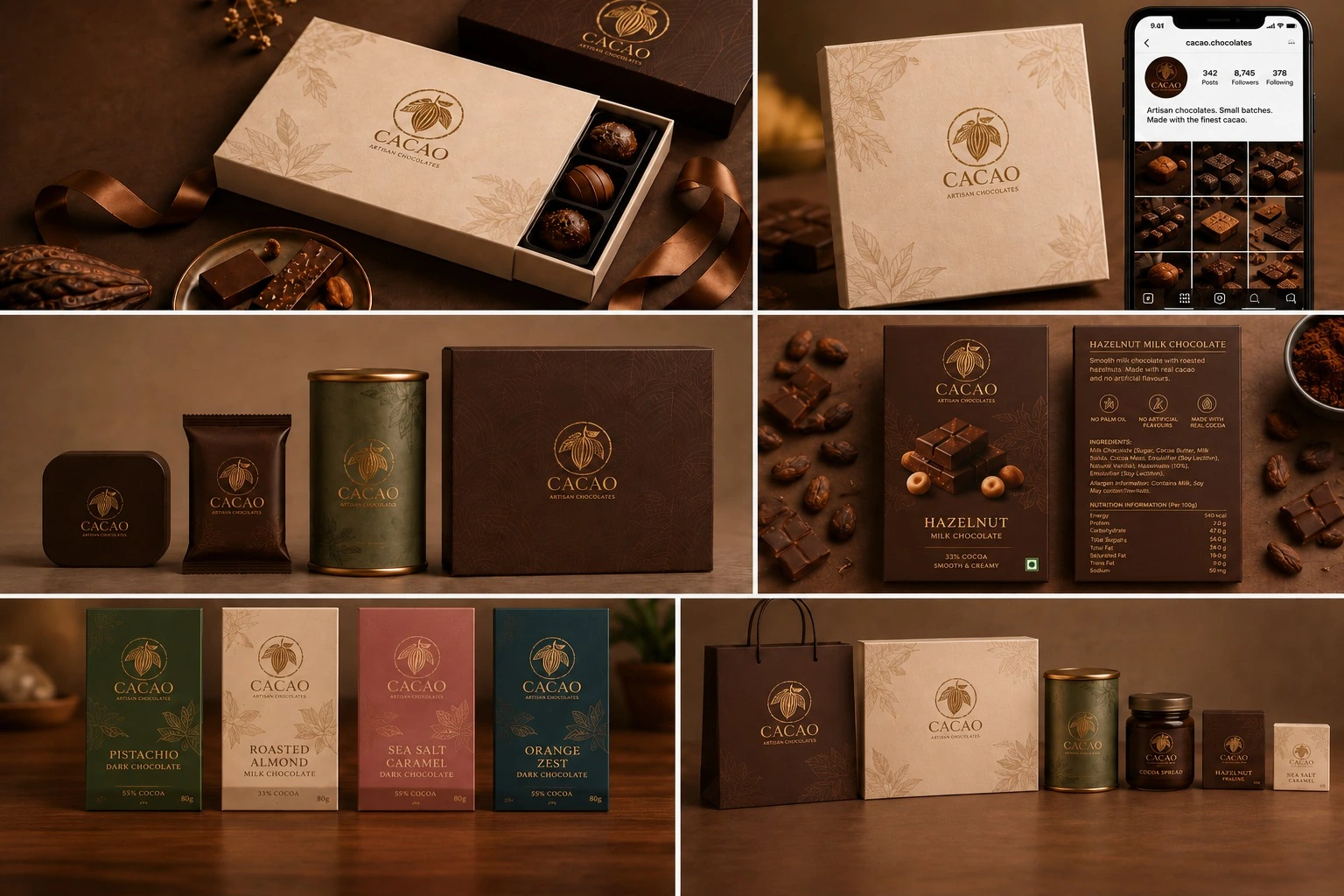
The confectionery buyer today is not who it was a decade ago. And brands still designing for one segment are leaving entire shelves of buyers underserved.
Health-Conscious Consumer
Consumers still want the taste and texture, but now they also want clean ingredients and demand more variety than before.
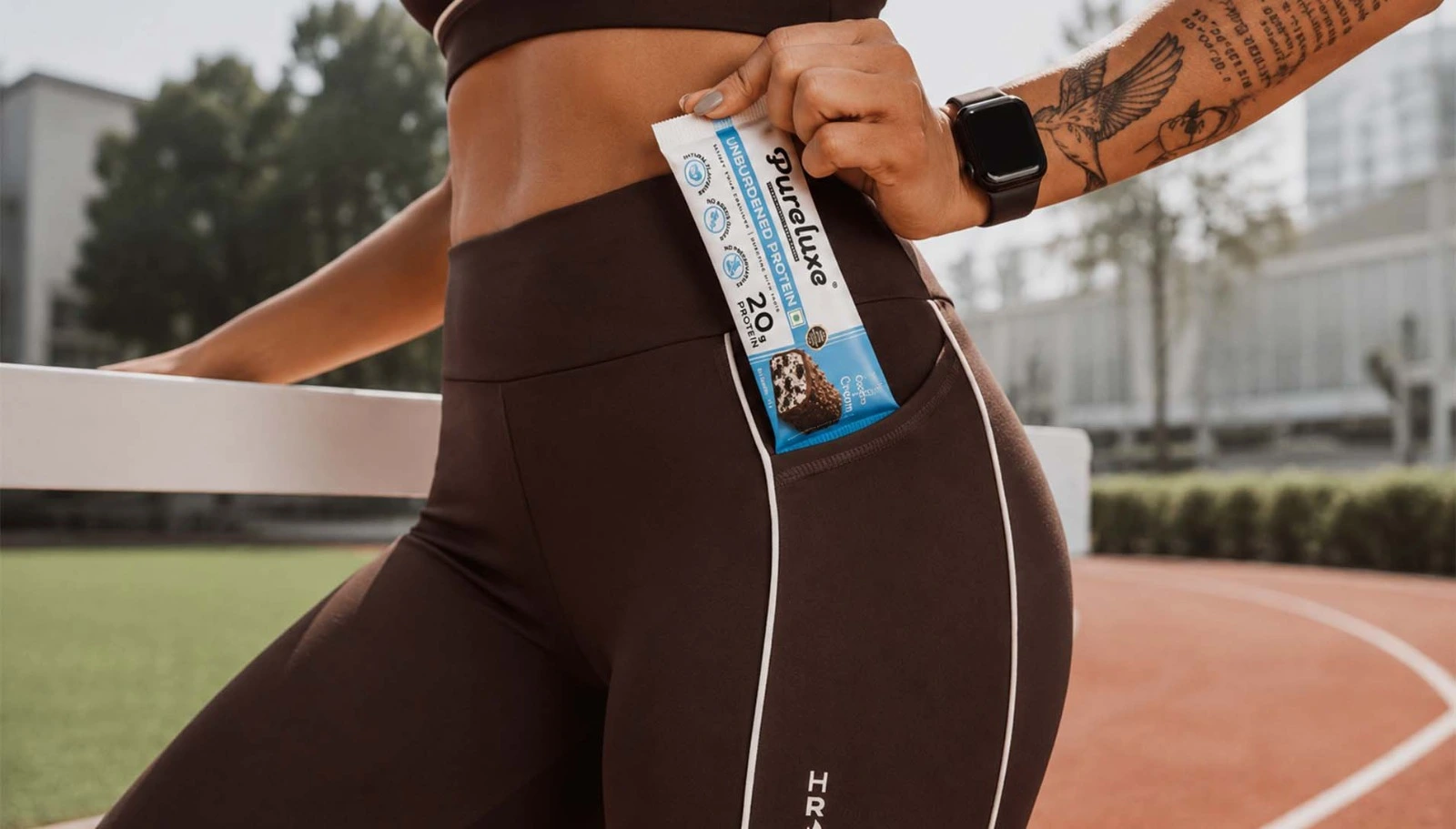
Health-conscious and fitness enthusiasts want sugar-free or low-sugar options; some demand gluten-free, protein-rich confections so they can enjoy without guilt.
A product like a protein bar and chocolate bar with low sugar or no sugar is not a compromise but a lifestyle choice for consumers.
Adults Dominating The Market
Globally, the adult segment has become the major consumer of confectionery, often driving major revenue as they have the intent, purchasing power and more occasions than children.
They buy candies, bars, chocolates and bakery for themselves, for gifting, and for moments of considered indulgence. They want confectionery that fits their identity, not just their sweet tooth.
They read labels. They notice design. They share on Instagram before they eat.
New Moments Of Indulgence
Confectionery has expanded beyond everyday impulse buys and festive gifting to span breakfast, workday snacking, post-gym recovery, and premium self-gifting.
Brands that clearly identify which of these new occasions they own and design specifically for it gain a distinct clarity advantage.
06 — Gifting MarketThe Gifting Market: A Category Within a Category
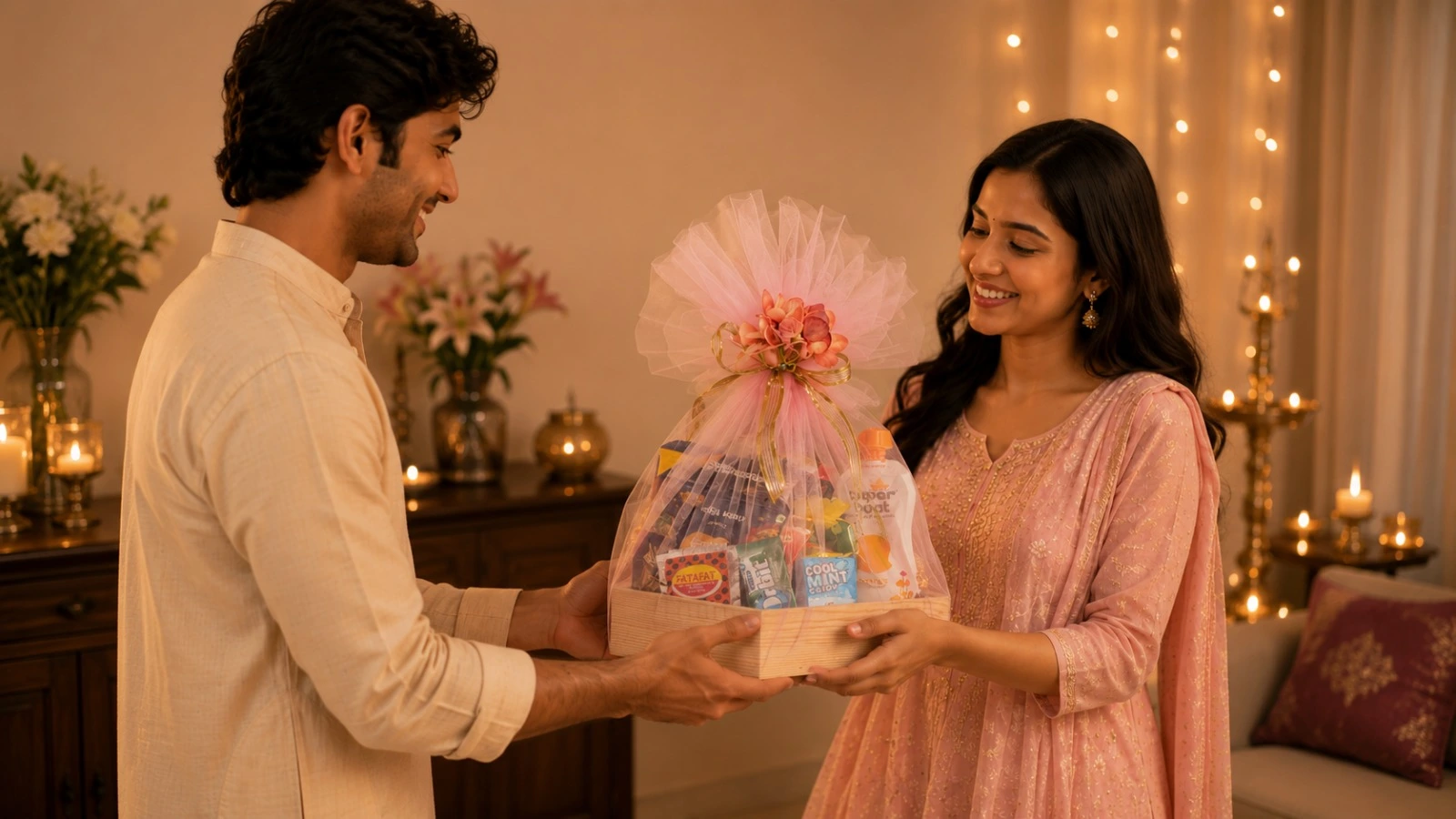
In India, confectionery gifting is not seasonal; rather, it is structural. Diwali, Eid, Christmas, Holi, Rakshabandhan, corporate milestones, weddings, festivals across regions: the gifting calendar is dense and lucrative.
This creates a genuine sub-segment opportunity. A confectionery brand crafted for gifting occasions requires different design logic from an everyday impulse brand:
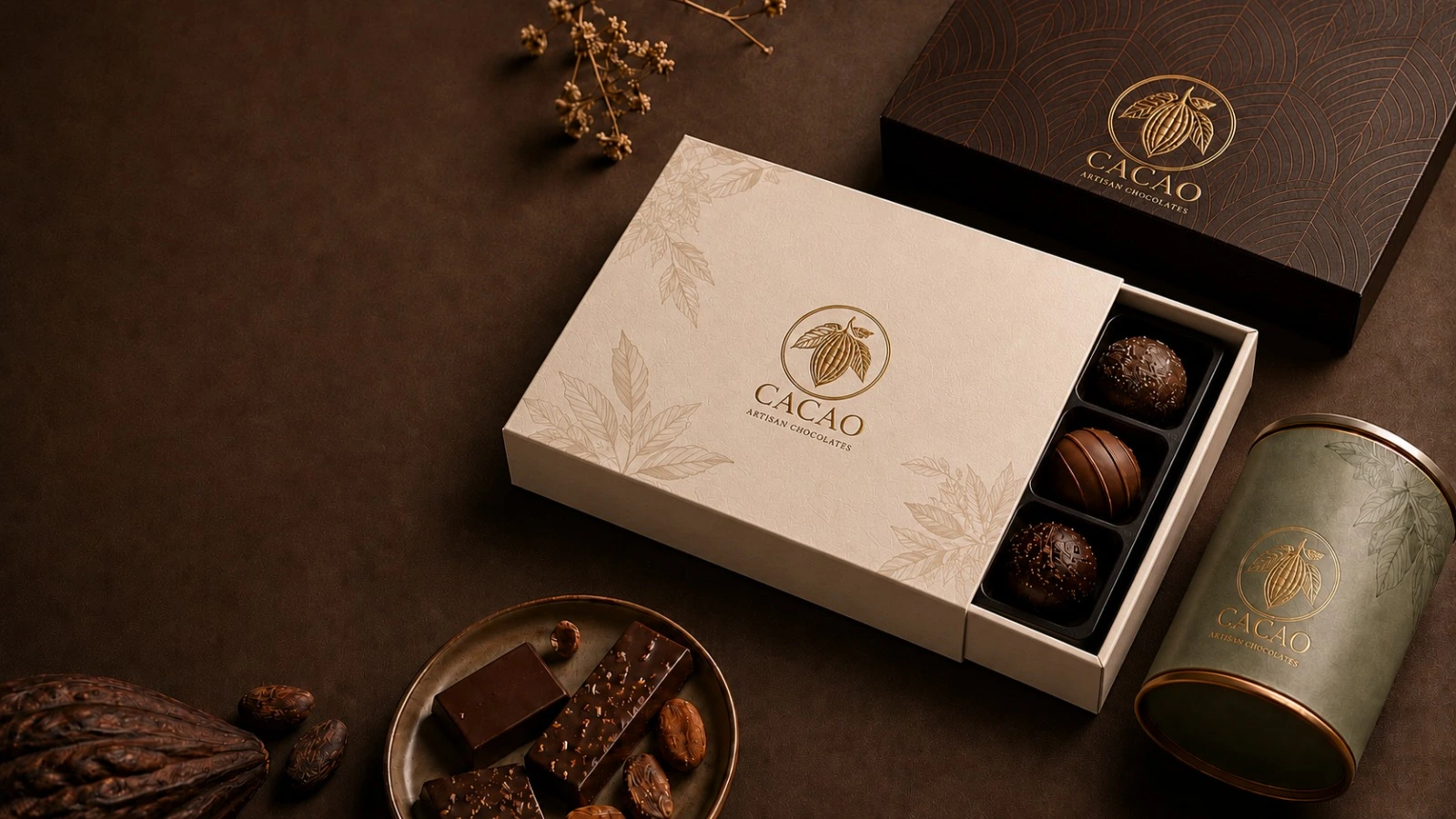
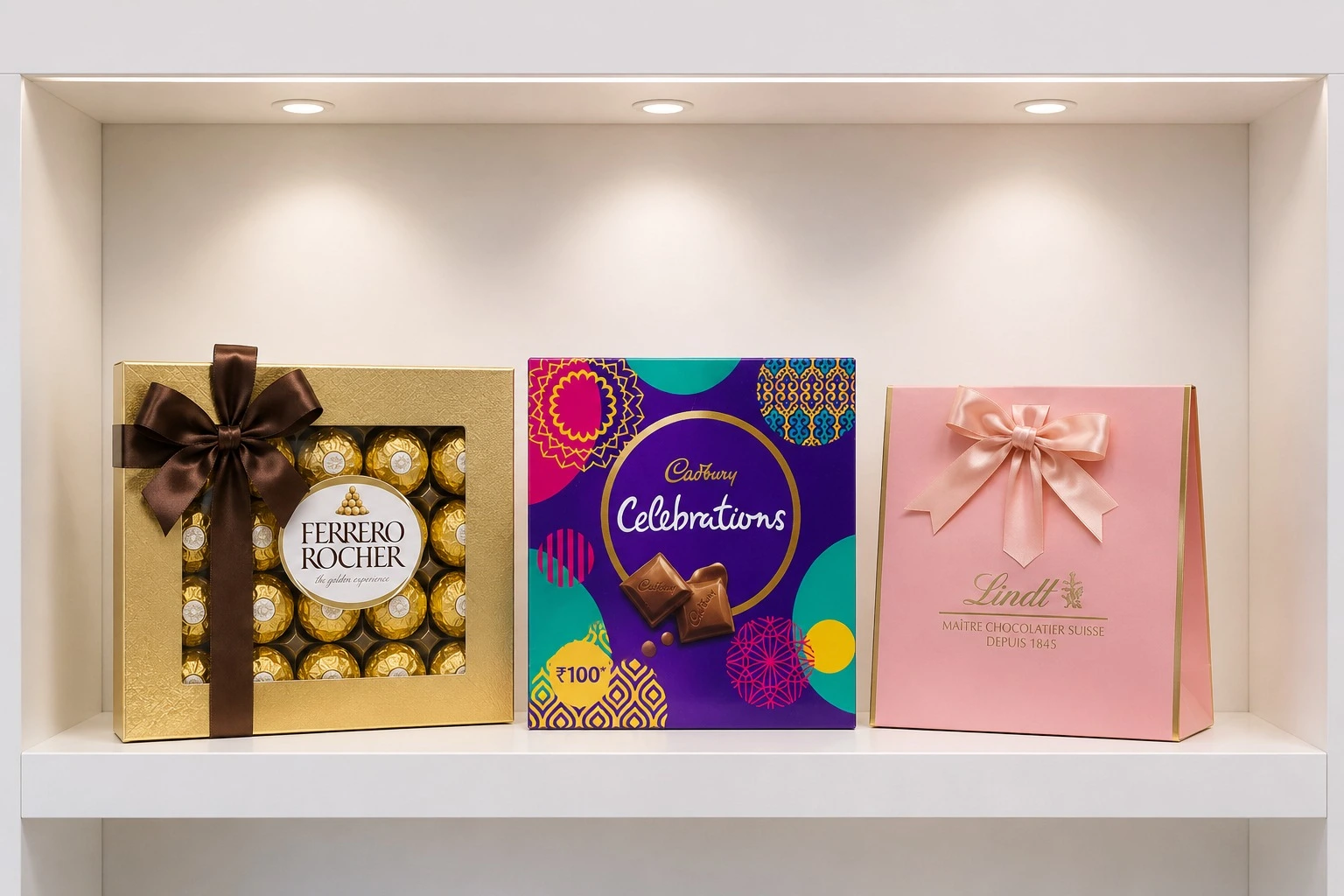
- Sweets packaging design must feel like an object worth giving, not just an object worth buying.
- Formats matter too: rigid boxes, premium wraps, customisable sleeves, monogrammed options.
- Price architecture shifts: consumers accept higher price points when the pack carries perceived gifting value.
- Brand identity must travel. Oftentimes, the recipient does not know the brand, so the pack has to sell on its own.
Brands that have built gifting as a dedicated range with its own visual identity layer capture this margin without cannibalising their everyday SKUs.
07 — What's TrendingEmerging Trends Reshaping the Category
Minimal, Intentional Design
The era of "every-surface-covered" packaging is ending, at least for brands that want to look premium or D2C-credible.
Clean hierarchy, restrained colour, a single strong visual anchor. On a quick commerce thumbnail or a modern trade shelf, legibility wins.
Premiumisation
The mid-market is getting squeezed. Consumers are either trading down on basics or trading up on things they genuinely care about.
For confectionery, "premium" is not a price point; it is a feeling. Bean-to-bar chocolate, handcrafted barfi, single-origin ingredients. Design signals deliberateness before the consumer reads a single word.
Storytelling and Provenance
Where your cocoa comes from, the family recipe, the founder behind the brand — these are now brand assets, not backstory.
Confectionery packaging design is increasingly where the story lives: kraft textures, QR codes linking to origin films, founder faces on the pack. Provenance has become visual vocabulary.
Dietary Democratisation
Clean ingredients, Jain-friendly, vegan, keto are not niche segments in India. They are loyal, underserved buyers actively looking for brands that speak to them.
Most confectionery brands have not pulled this lever yet. Packaging that signals dietary compatibility clearly and confidently is a straightforward growth play.
08 — Work With UsHow DN Designs Approaches Confectionery Branding
Whether you are launching a first product, entering modern trade, moving into the gifting segment, or cleaning up a brand that has drifted, our work starts with diagnosis, not decoration. We understand the market, the segment, the shelf context, the consumer you are trying to convert, and thereafter create a strategic roadmap that positions your brand to win, scale, and lead its category. Every design decision draws from this strong research-backed foundation. No guesswork.
Be it bakery, chocolate, candy and sweets brands, over the years, we have worked across the confectionery space. If you're looking for a reliable agency to launch your confectionery brand, talk to the team at DN Designs. We absolutely love our creative space and help brands carve out a space no competitor can claim.