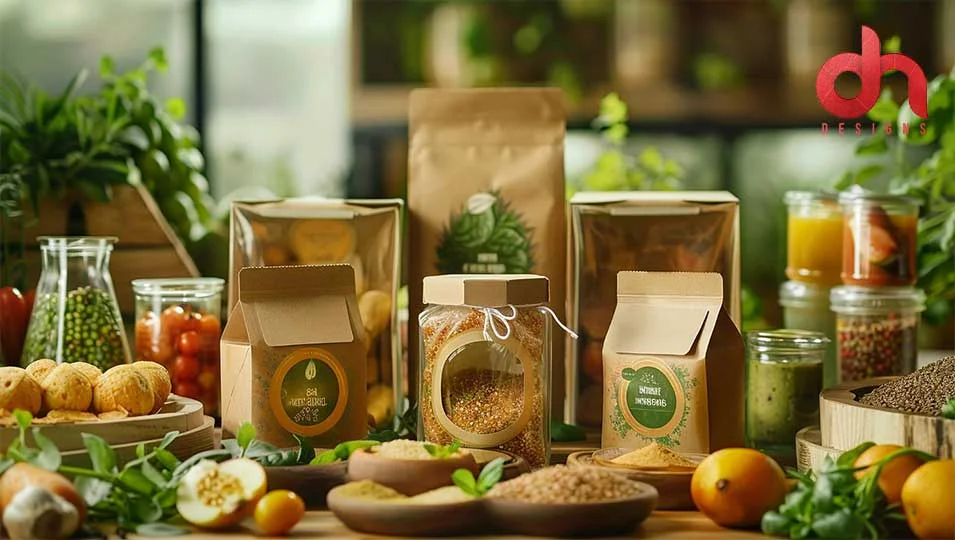
Why Does Food Packaging Design Even Matter?
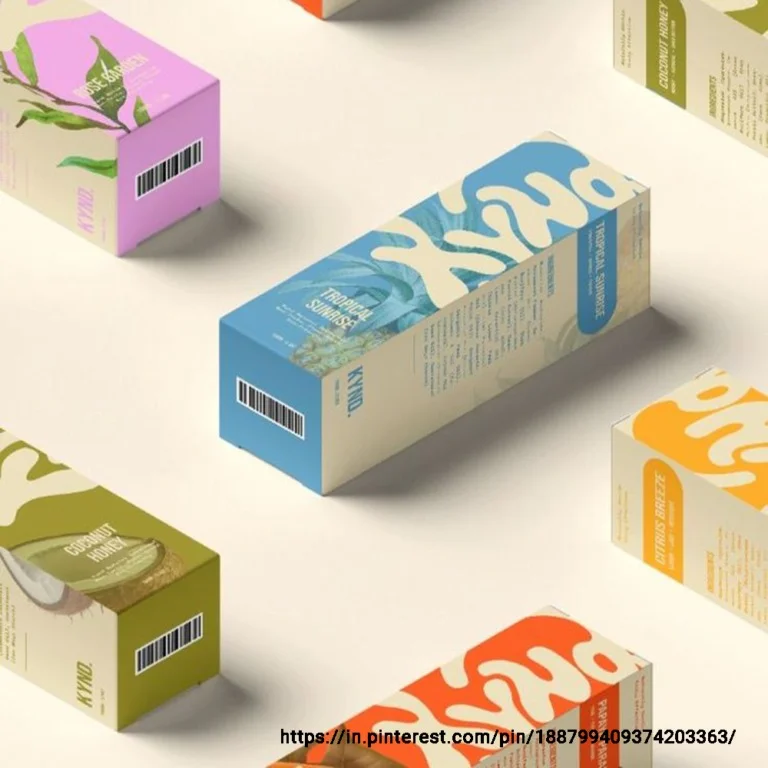
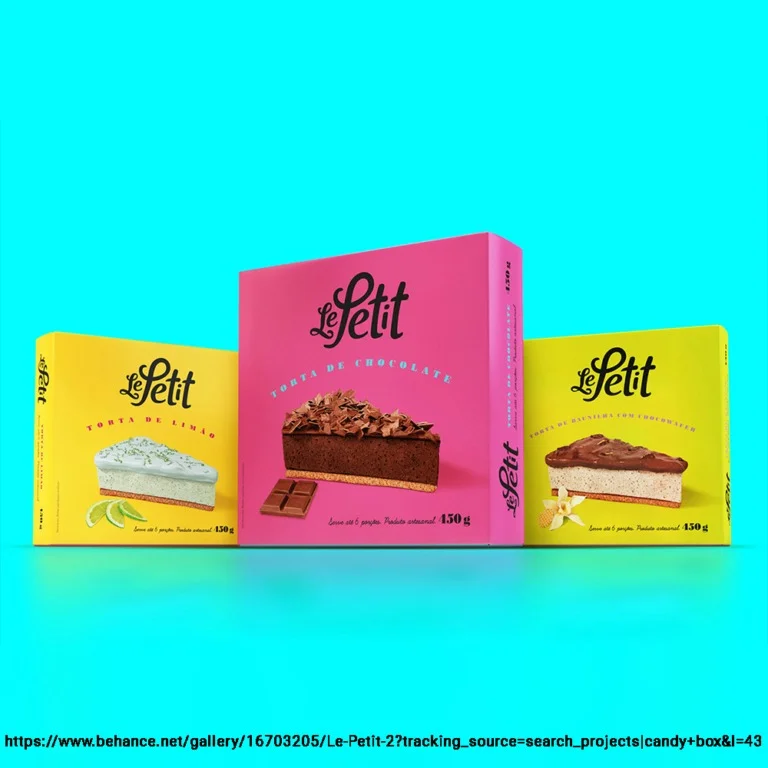
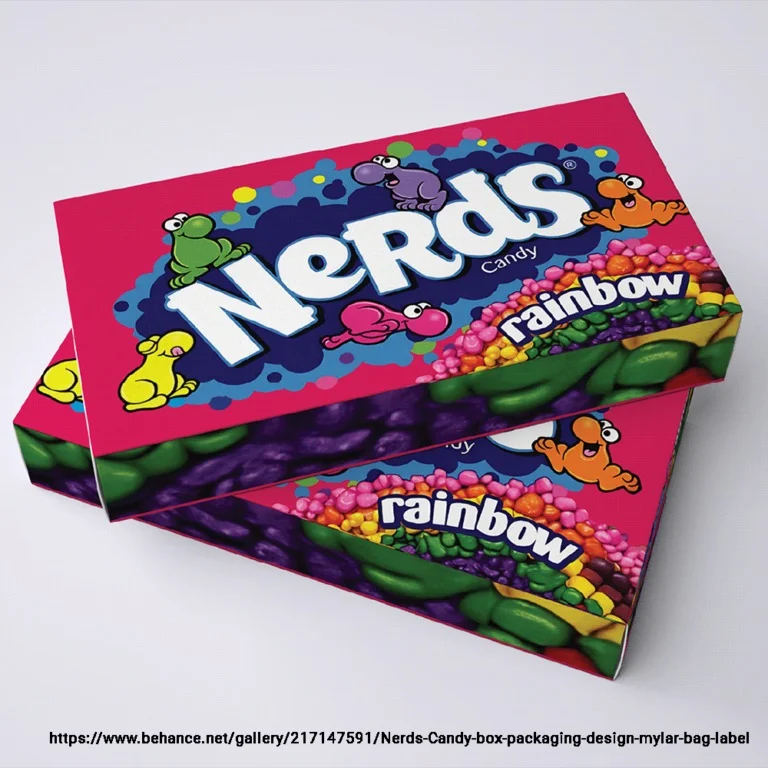
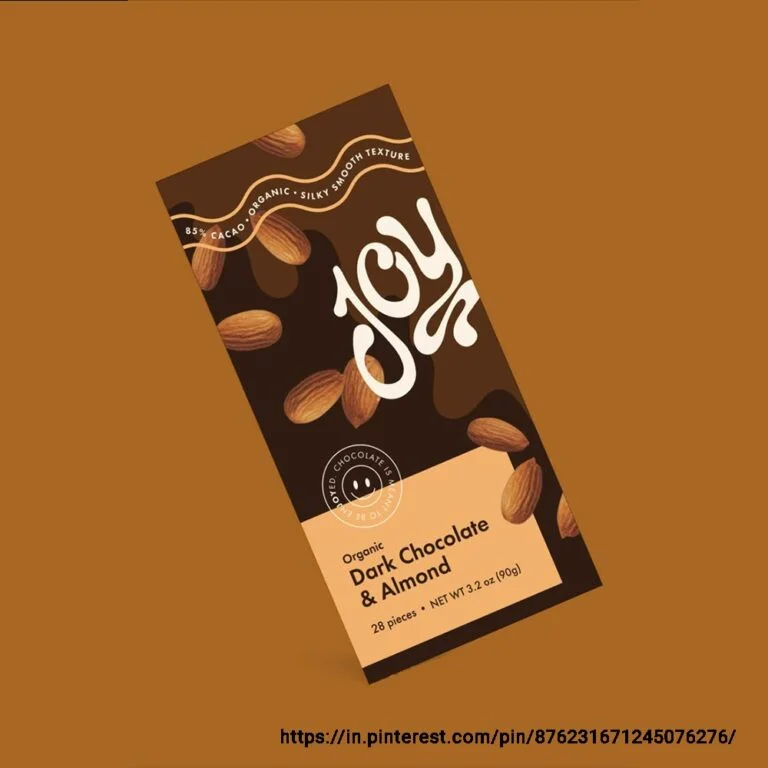
Okay, let's be honest here. We have learnt not to judge a book by its cover, but we all have been guilty of doing it otherwise. And most often, we judge the food by its packaging design.
Think about it, while in a grocery store or a supermarket, our eyes often wander through hundreds of products, but still, only a few stand out. And among these is the one product that compels us to buy it. The reason, time and again, is its innovative food packaging design – one that has the power to make an impression and influence consumer behaviour.
A strong and strategic food package design is also important to secure and maintain a place for the product on the store shelves.
What this implies is that if your product fails to catch the buyer's eye and struggles to yield the desired sales and profit, grocery chains might end up removing the product altogether. Since stores have limited display space and your product has failed to survive the competition, they will replace it with one that has better chances of performance. A strategic and creative food package design ensures that your product gets purchased by the customer and thereby retains its spot on store shelves.
02 — Data & Impact"Your packaging has a few seconds to earn a shopper's attention, trust, and money — all at once."
DN Designs
The Connection Between Food Packaging Design and Sales
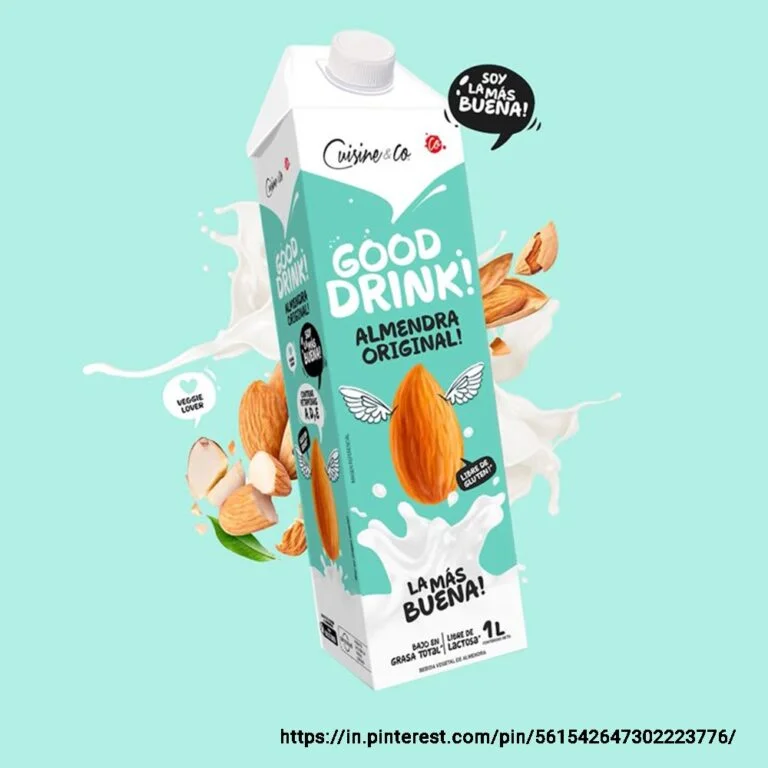
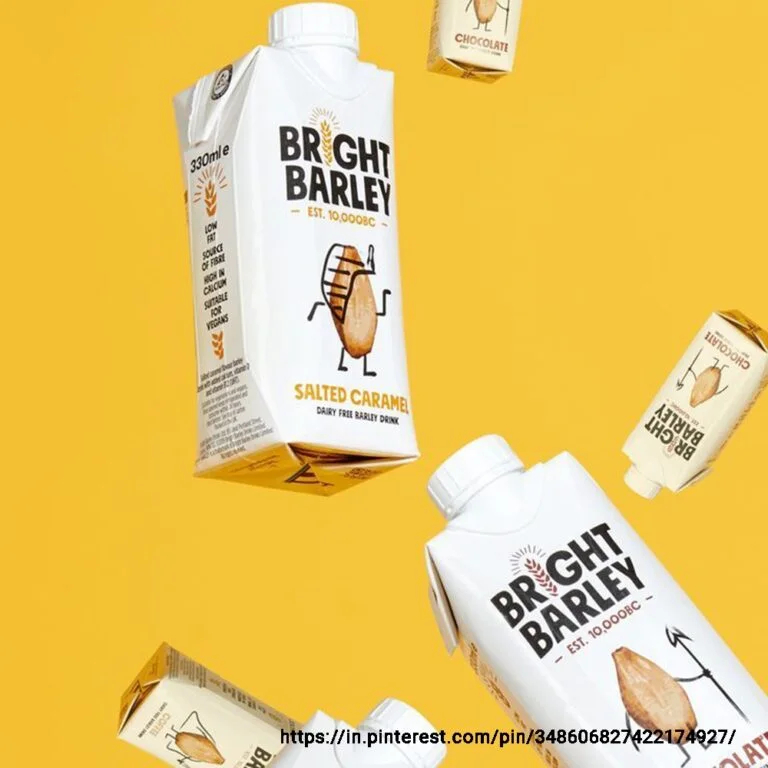
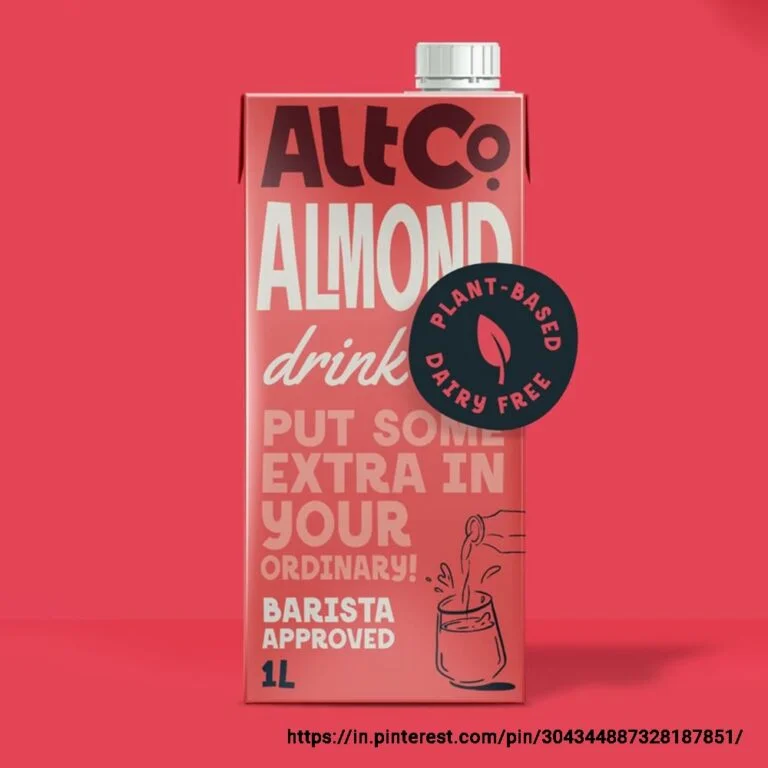
Here are a few statistics worth considering.
to research conducted by Ipsos, 72% of people agree that a product's packaging design can influence their buying decisions.
Studies also indicate that around 81% of consumers purchased a new product because the packaging attracted them.
Let's see a couple of more related statistics.
Approximately 63% of consumers repurchased a product, and 52% of consumers switched to other brands because they liked the packaging design.
Though these statistics are not specifically related to the food industry, they are powerful indicators of how your food box packaging design can influence your business sales.
This means that even the product of a renowned brand won't sell if it has an unimpressive, inconsistent or confusing packaging design. Always remember that packaging design is often the first element that draws consumers to a product, and if it is not impressive, the final sales figure is going to be impacted.
03 — Design FactorsKey Factors for Creative Food Packaging Design That Increases Sales
Now, here's what you've been waiting for. These are the key factors you must consider for your food product packaging design if you want to achieve impressive sales results.
Brand Identity
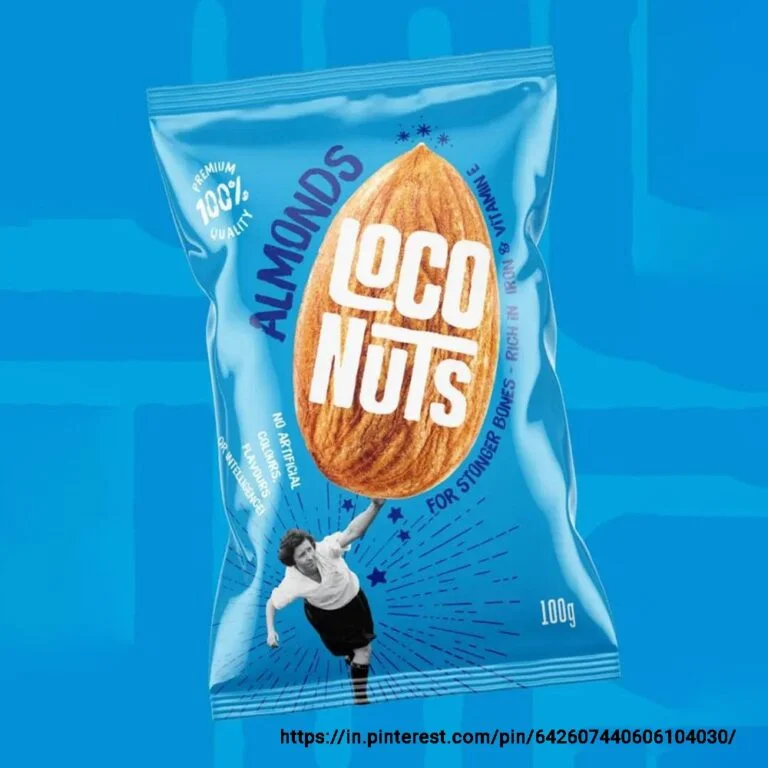
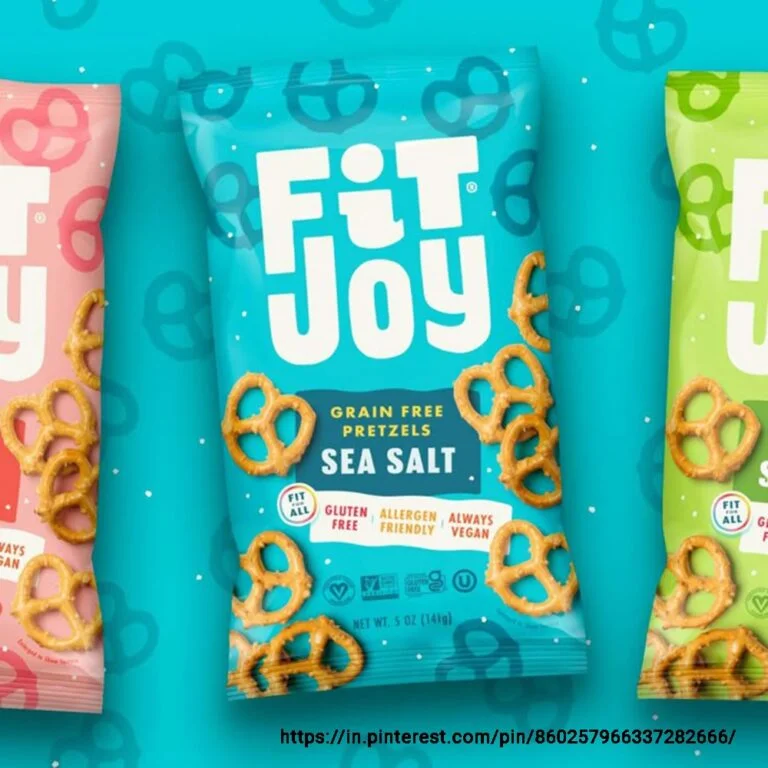
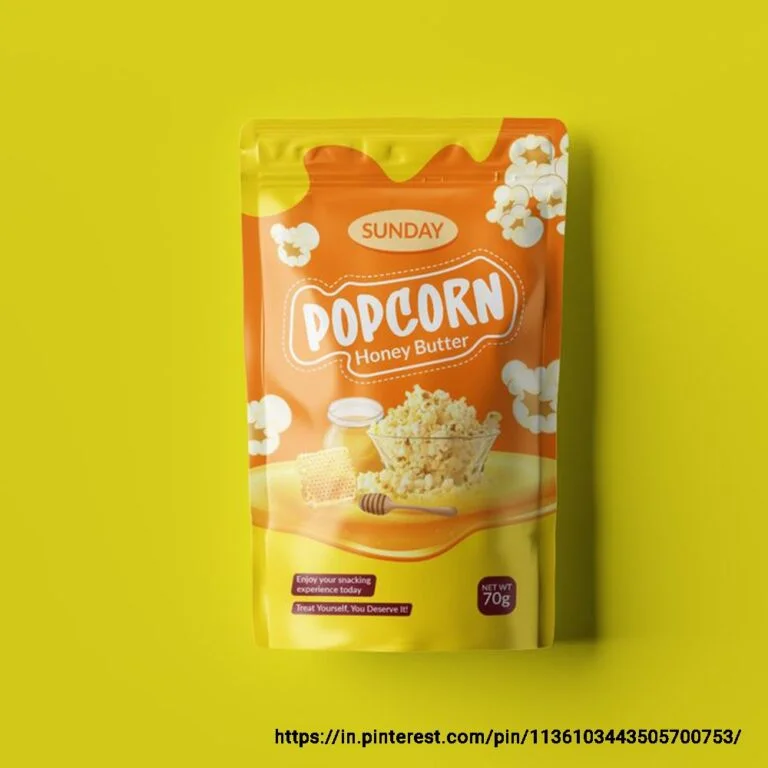
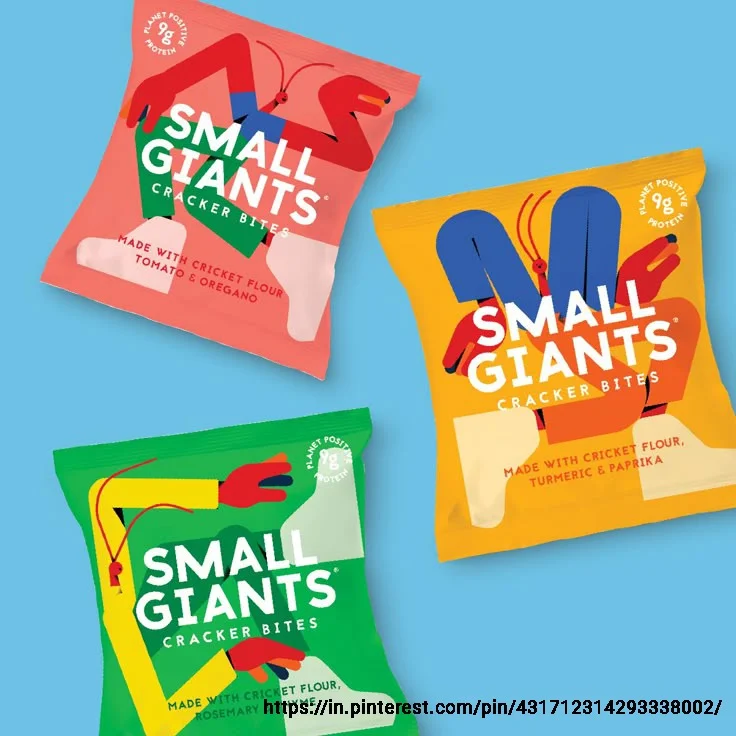
Your food product packaging design is the first thing your consumers see. So, it is essential that it clearly communicates who you are – your brand identity. Every element, from the colour palette to the typography and brand messaging, must demonstrate your brand and its personality.
Begin by understanding your brand. What personality does your brand convey? Is your brand about a fun personality like Amul or a premium one like Starbucks?
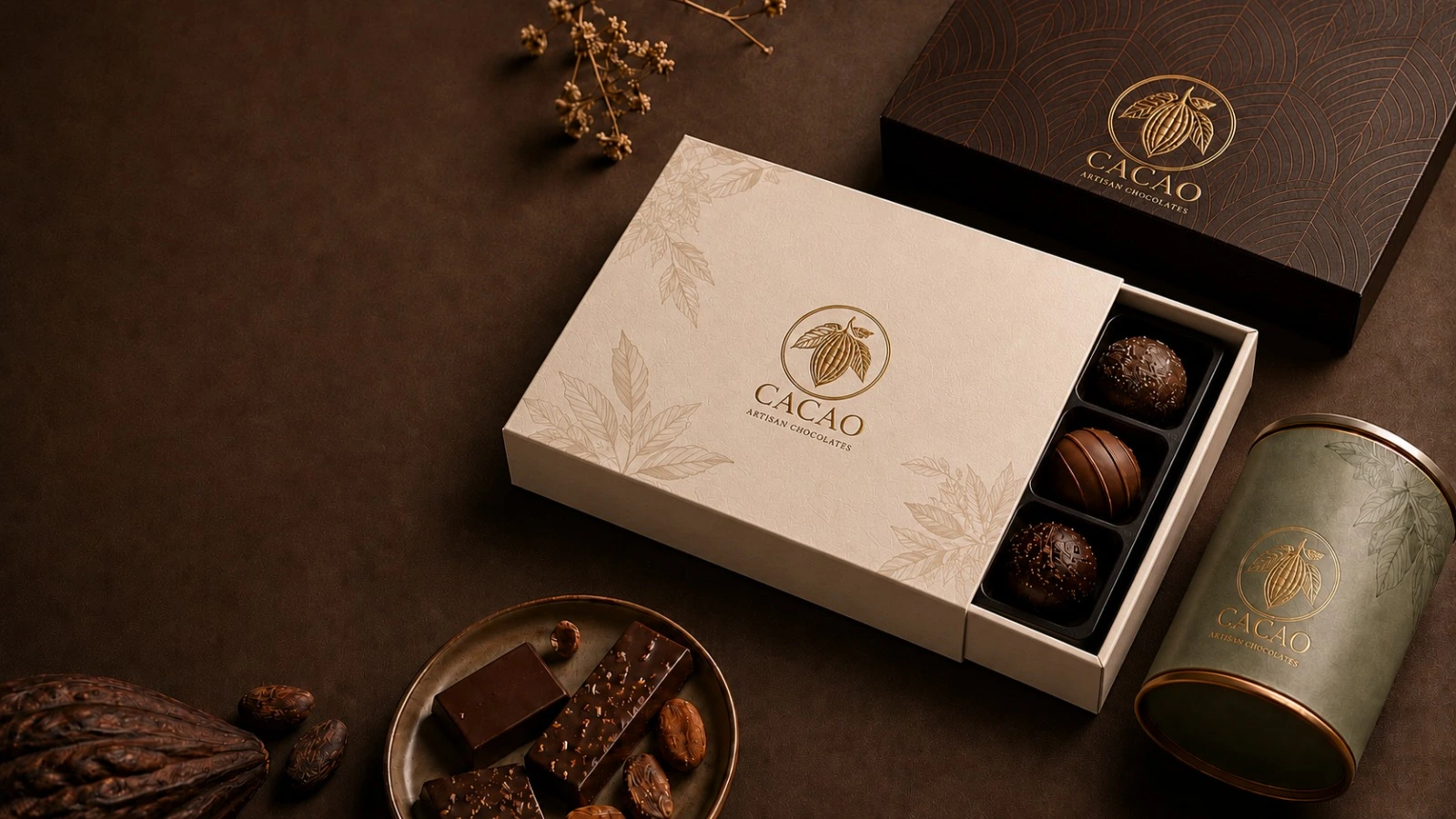
If you're a luxury brand, your design must speak of premium, elegance, and high quality. On the contrary, if you want to present yourself as a fun brand, your packaging design must appear lively, playful, engaging and full of personality.
With that, it is important to maintain brand consistency. It doesn't matter if you have a single product or an entire line; what is non-negotiable here is to maintain the same brand identity throughout. Consistency creates recognition and trust and ensures the best food packaging design experience for your consumers.
Target Audience
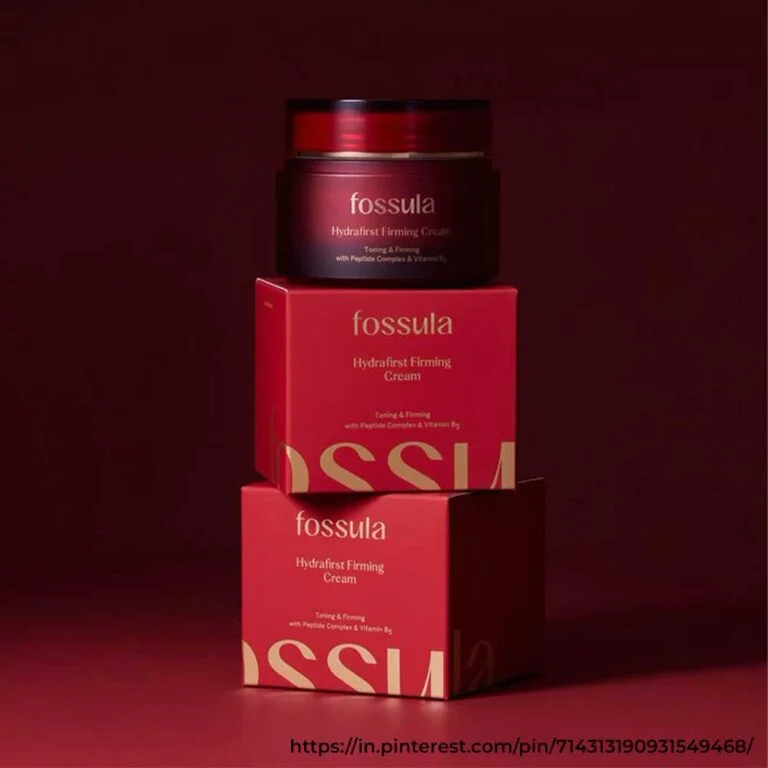
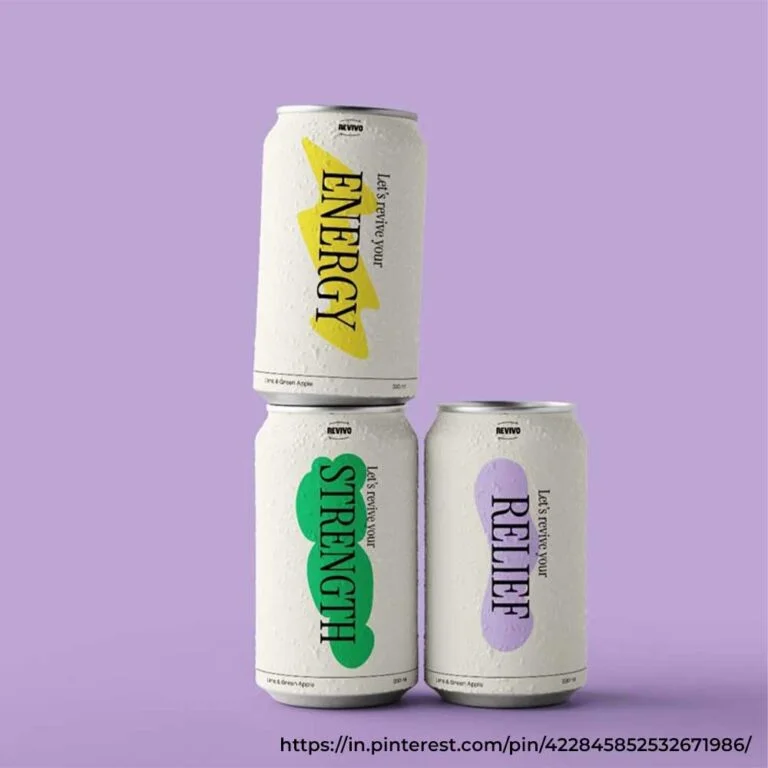
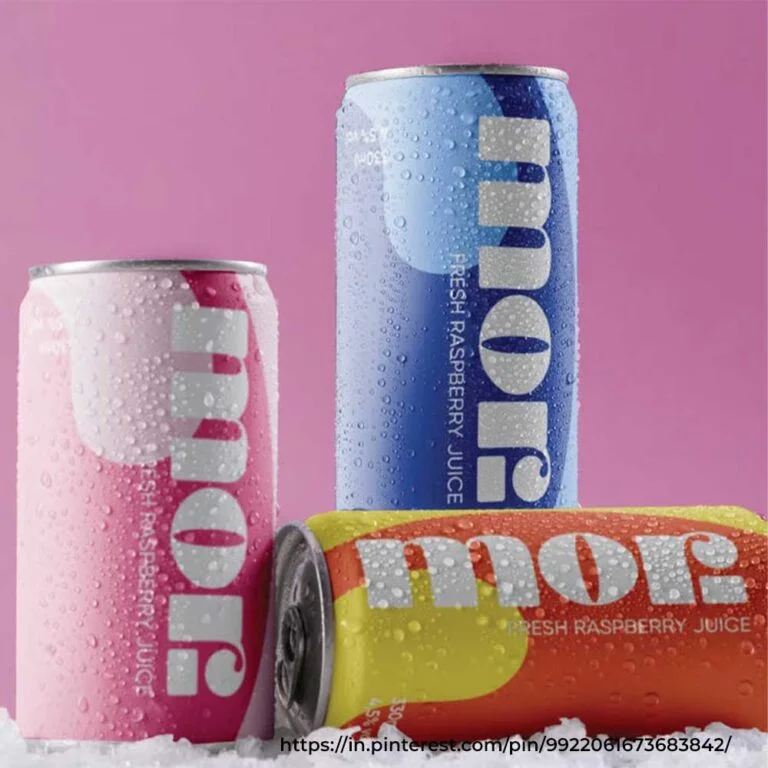
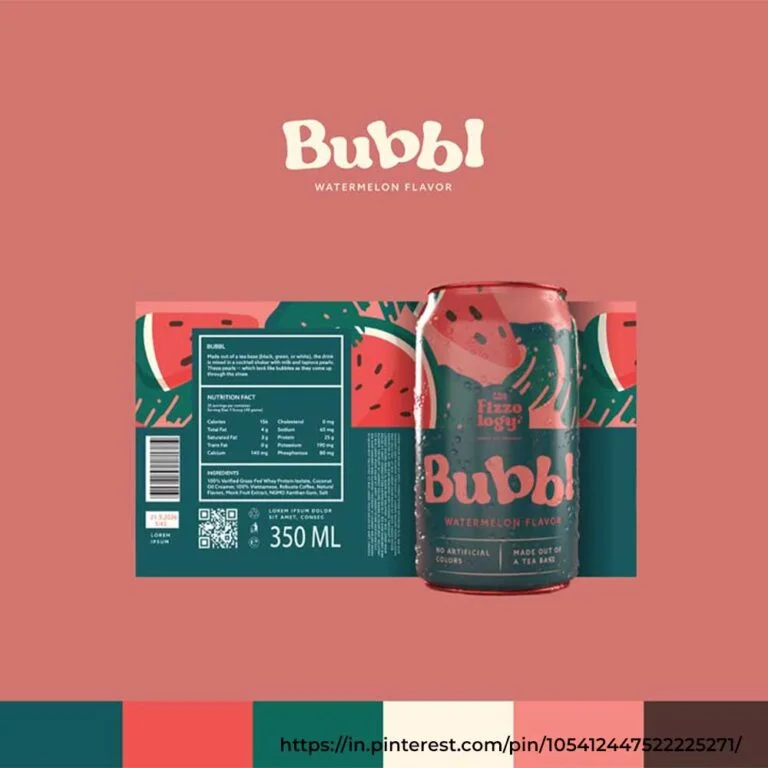
How can you create a resonating packaging design for food products if you don't understand your audience? So, it is imperative to understand your target consumers, their concerns, and what is it that they are looking for in the packaging.
Are they adults, children or Gen Zs? Are they people from all over the country or world, or are they specific to any particular region? What is their background, and what matters to them more? Is it taste that they are looking for, or is it health that is more important for them? Are they concerned about calorie count and nutritional information, or do flavour variations appeal to them?
Once you understand your audience and their preferences, you can successfully create a visually striking and informative packaging design that connects with them and encourages them to choose your product over competitors.
Clarity and Simplicity
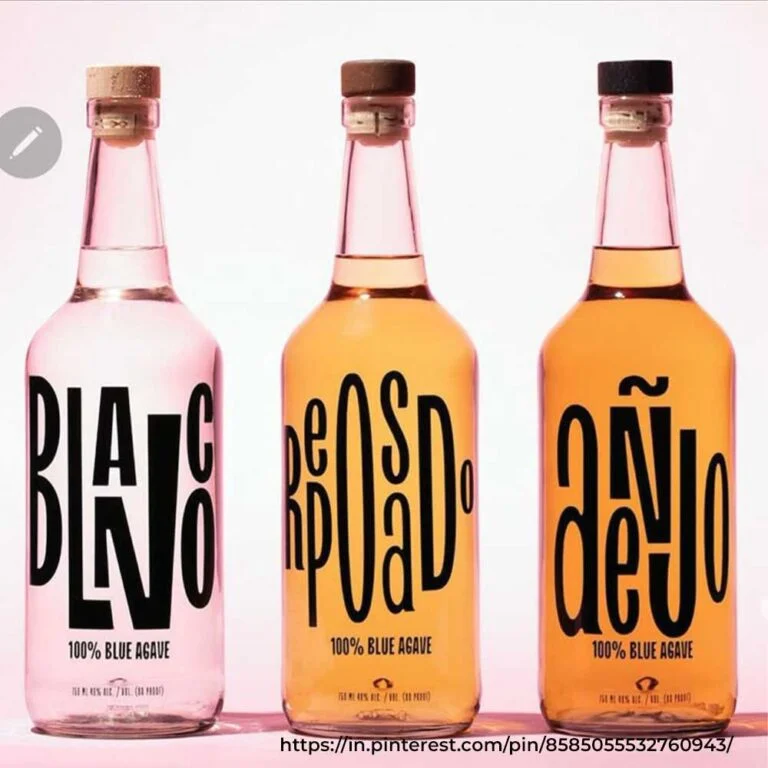
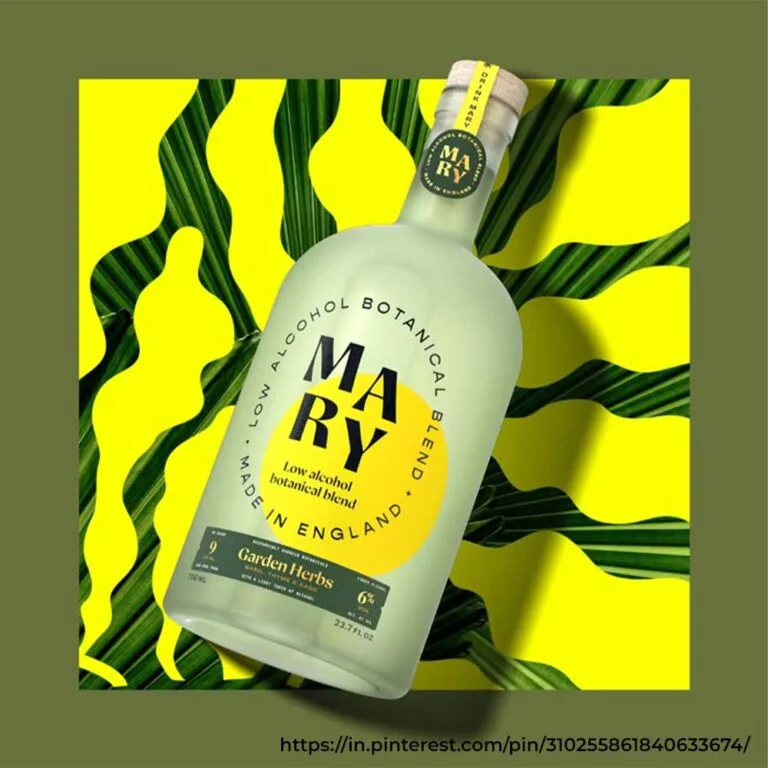
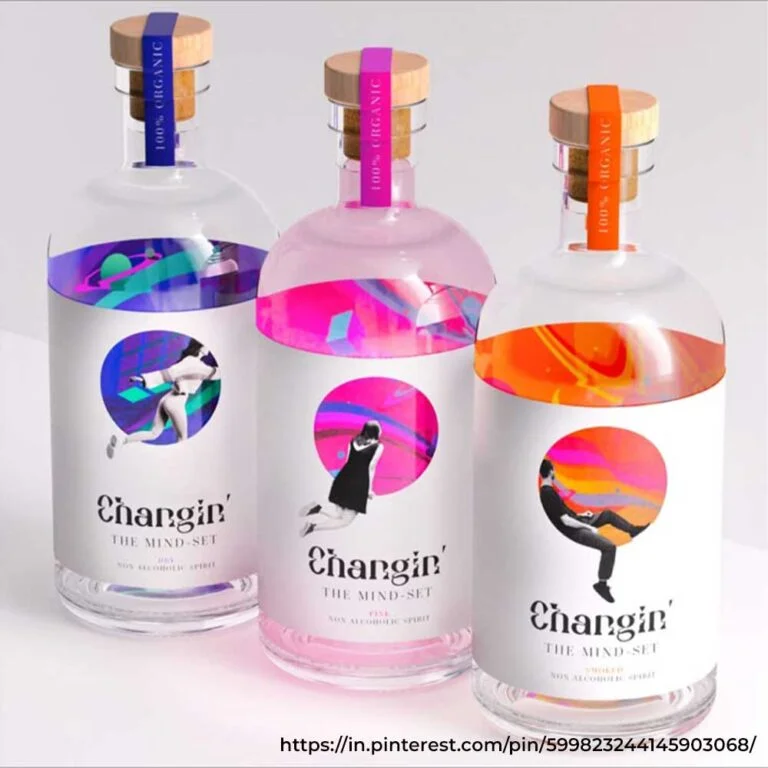
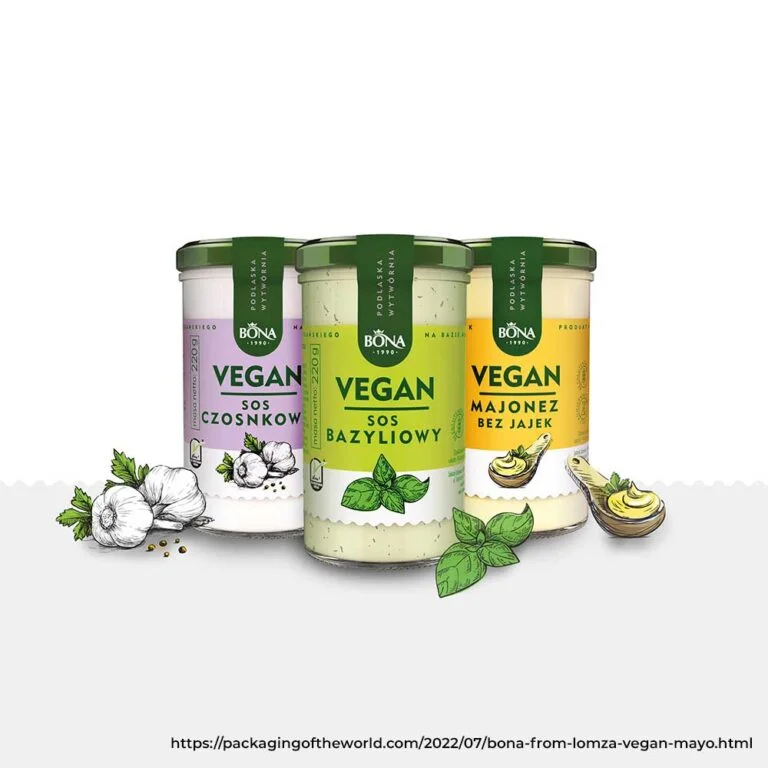
'Less is more' – this phrase is very well known, so you must have heard it. It perfectly fits in the context of packaging design. Your buyers must not struggle to find what your product is truly about or what makes it special. Avoid overcomplicating your food package design because this would only confuse and deter them from purchasing. Always remember- a simple, clear and creative food packaging design wins.
Go with clear, compact and captivating brand and product messaging, don't be too descriptive. Mention important details like your product's name, unique selling proposition (USP), nutritional details and other benefits clearly. Remember to follow a well-defined structure when working on your package design and focus on keeping the important information in the front and centre.
In the end, simplicity doesn't mean boring; it is more about designing strategically to effectively communicate your product's essence in just a glimpse.
Shelf Impact and Differentiation
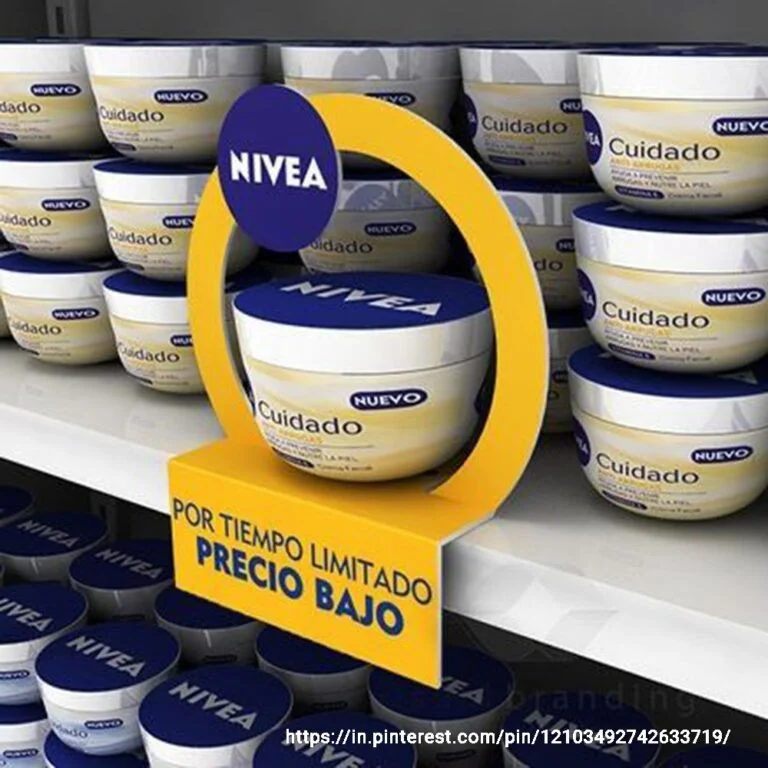
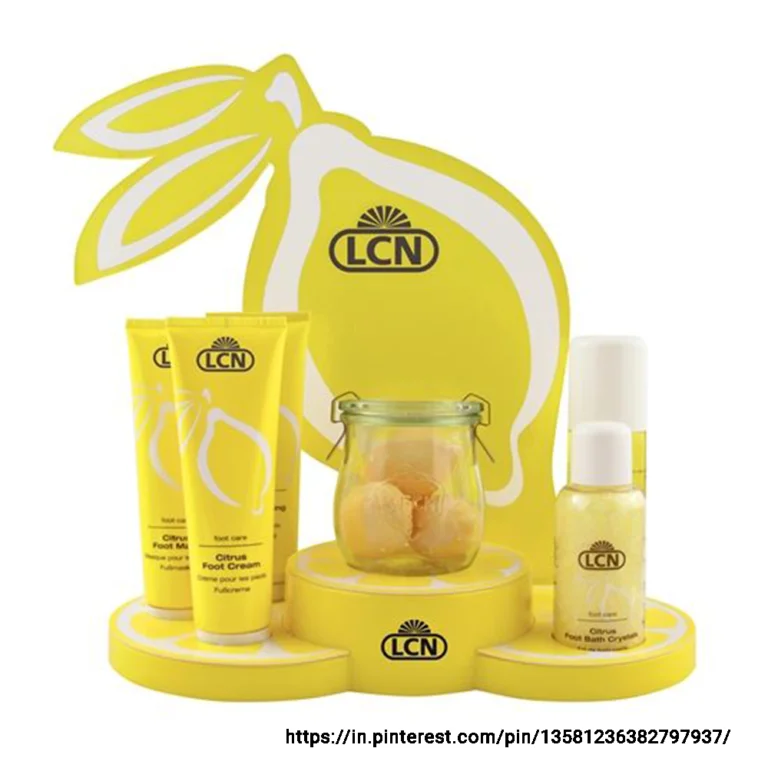
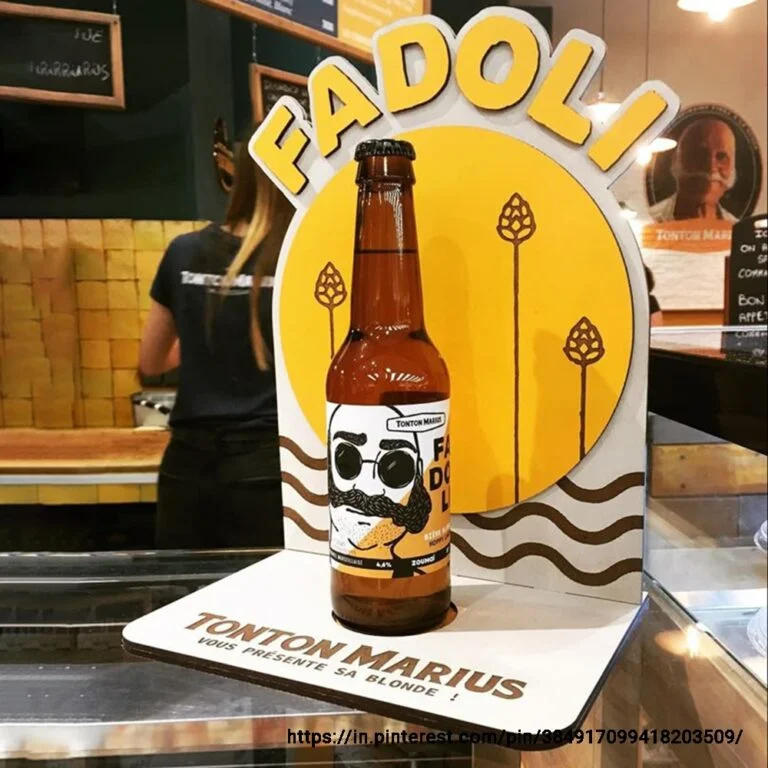
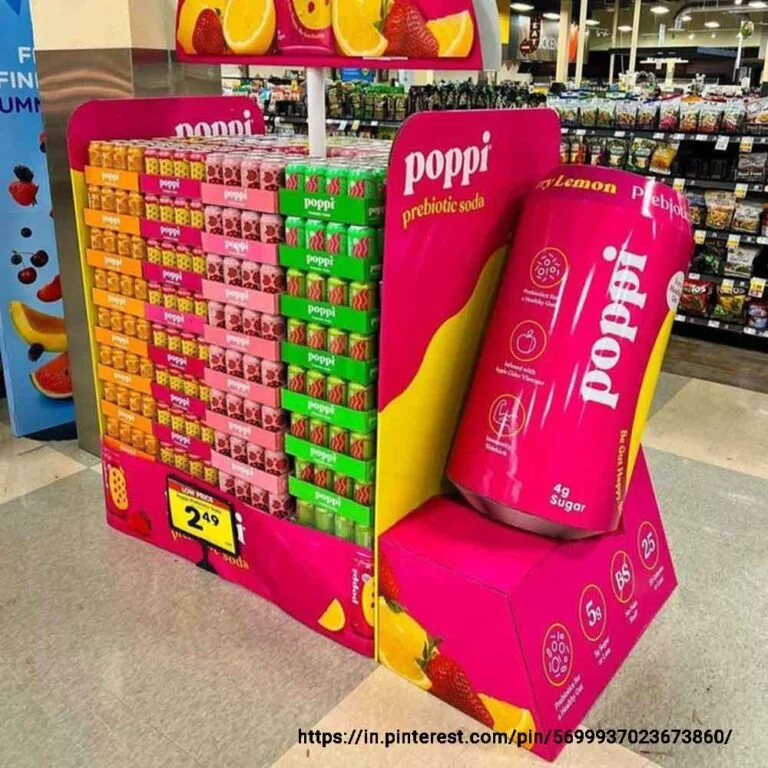
In a retail environment, your product will directly compete with your competitors' products (remember, it will be placed just next to yours). Customers will assess and compare all the options in a matter of a few seconds and pick just one. Therefore, your food packaging and label design must be made with the retail scenario in mind.
You should ensure that your food packaging designs command attention and make a lasting shelf impact. It means standing out from all the other products in the product aisle and making people actively select it. Brand differentiation is the way to gain this competitive advantage. Your packaging should effectively communicate how your product differs from other products in the market.
While positioning your brand as unique and different from competitors, you can go bold and innovative; however, you must always keep in mind that this differentiating factor is actually significant and worthwhile for your target customers. A unique factor (no matter how attractive it may appear) which doesn't add any value or solve a customer's problem is pointless.
Design Trends
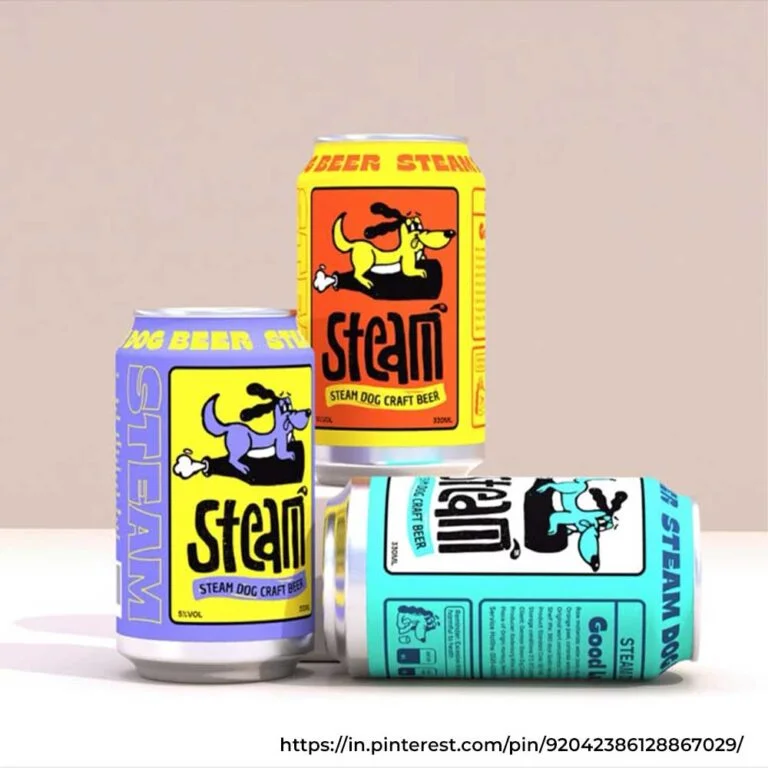
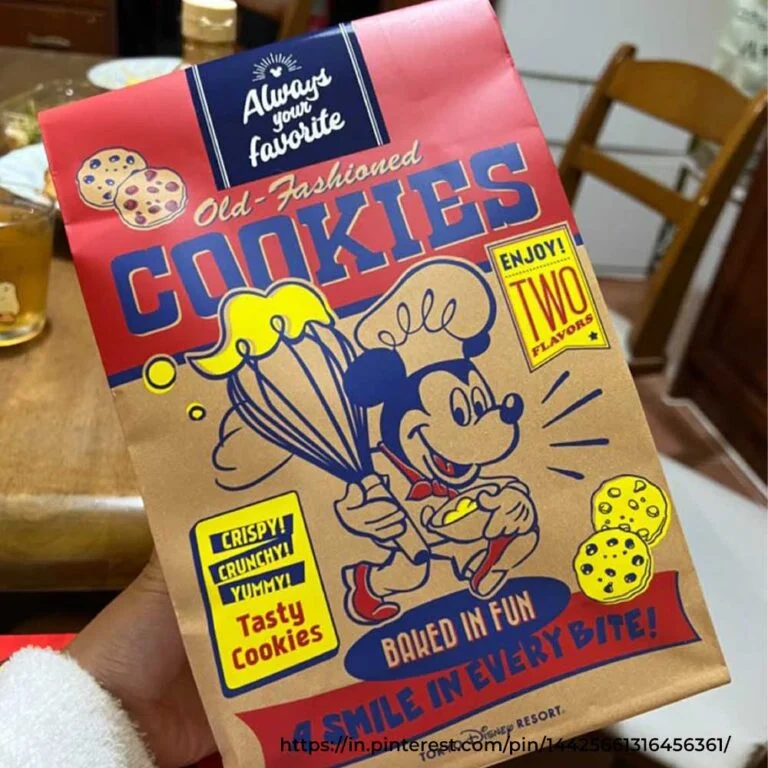
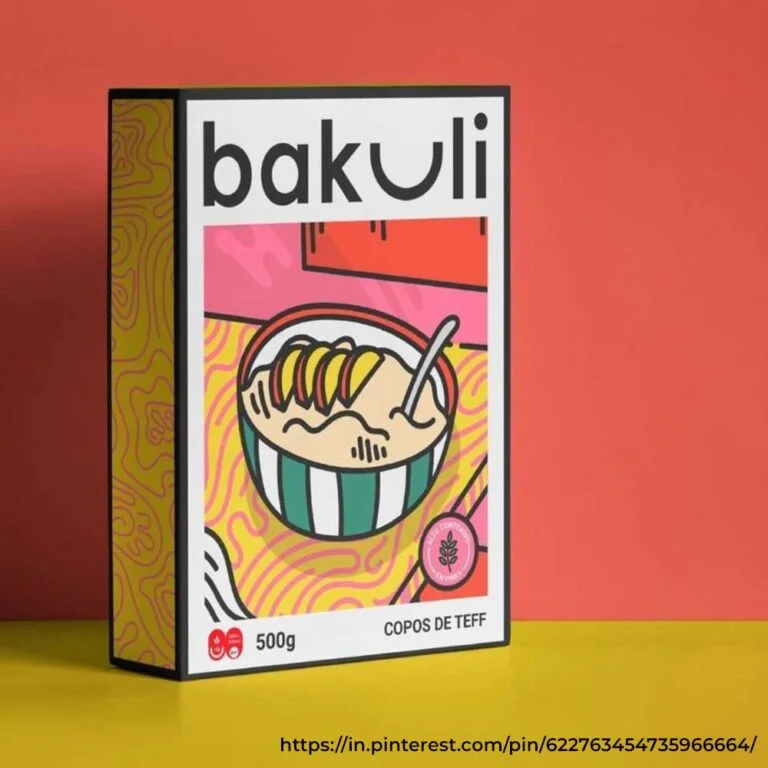
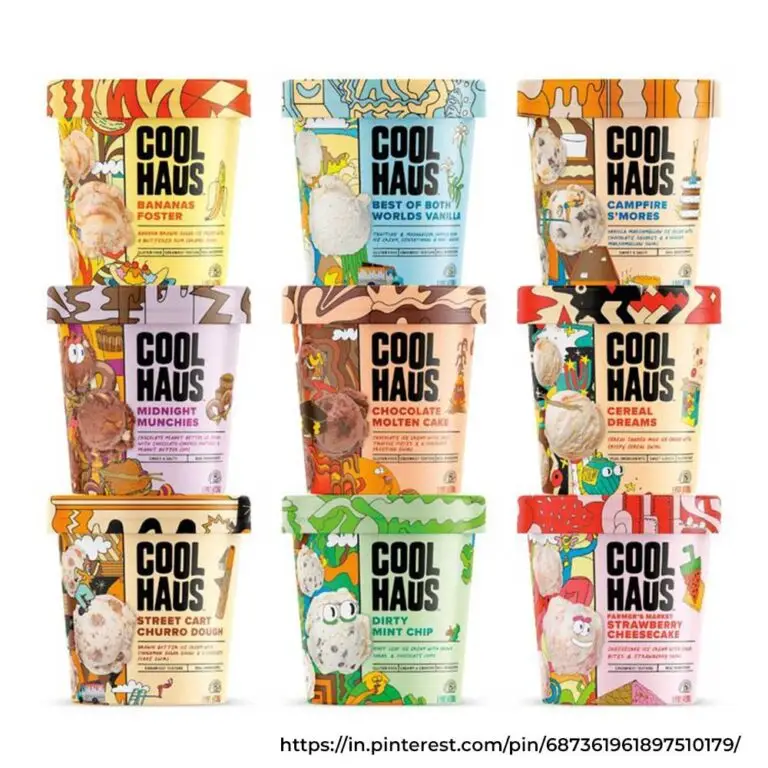
Customers and markets are ever evolving, so designing packaging for food products also means staying updated with these evolving trends. What worked a decade ago may no longer resonate. Following these trends strategically gives your brand a competitive edge and keeps your packaging design for food products relevant in a fast-changing market. Current trends include minimalism, sustainability, interactive elements, and smart packaging design with QR codes or AR experiences.
While staying abreast with changing design trends is a good idea, it is also important that you do not overdepend on trends or force them into your packaging design. Instead, choose a design that stays relevant for a long time and appeals to your target audience.
Resources and Constraints
While you may aim for the moon for your food product packaging design, the reality may be a little different. Practical factors like budget, timelines and overall project scope may not allow you to spread your wings as much as you want. So, you must be aware of your resources and constraints from the very beginning and plan accordingly.
Clearly understanding the resources in hand and constraints enables you to create the best food packaging design within limits.
Want Packaging That Earns Its Place On The Shelf?
Talk to ExpertsThe Complete Food Packaging Design Process
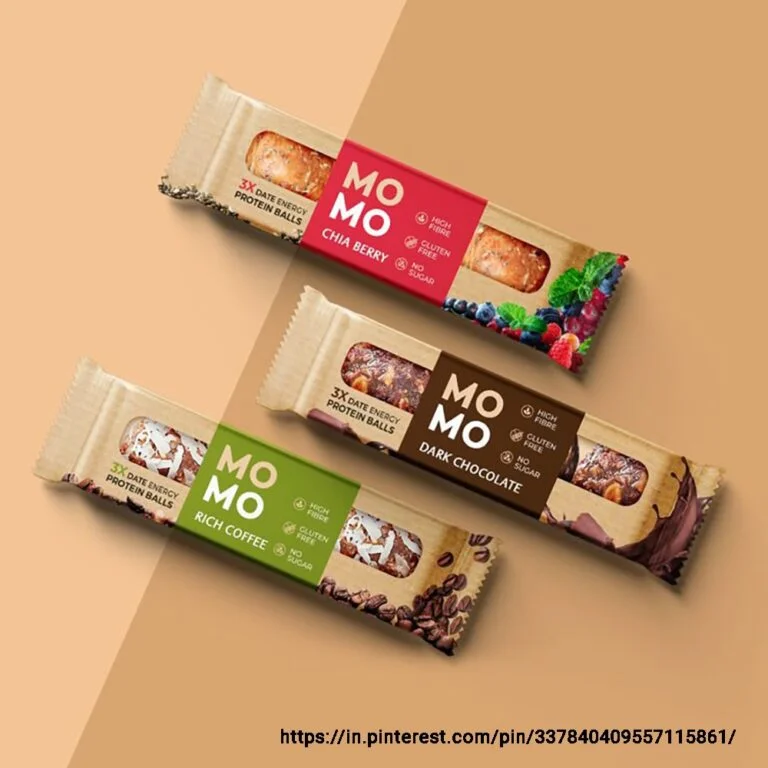
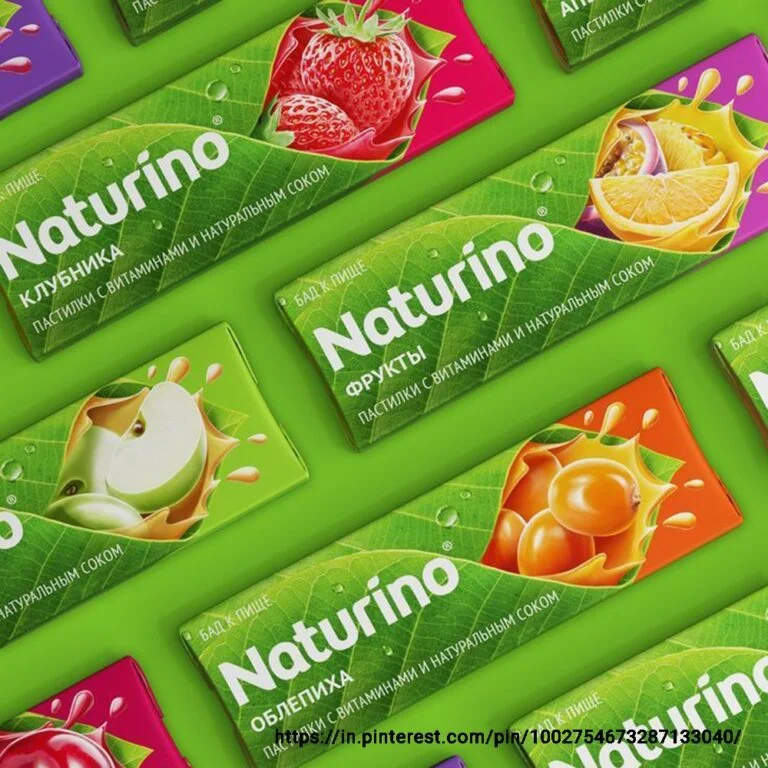
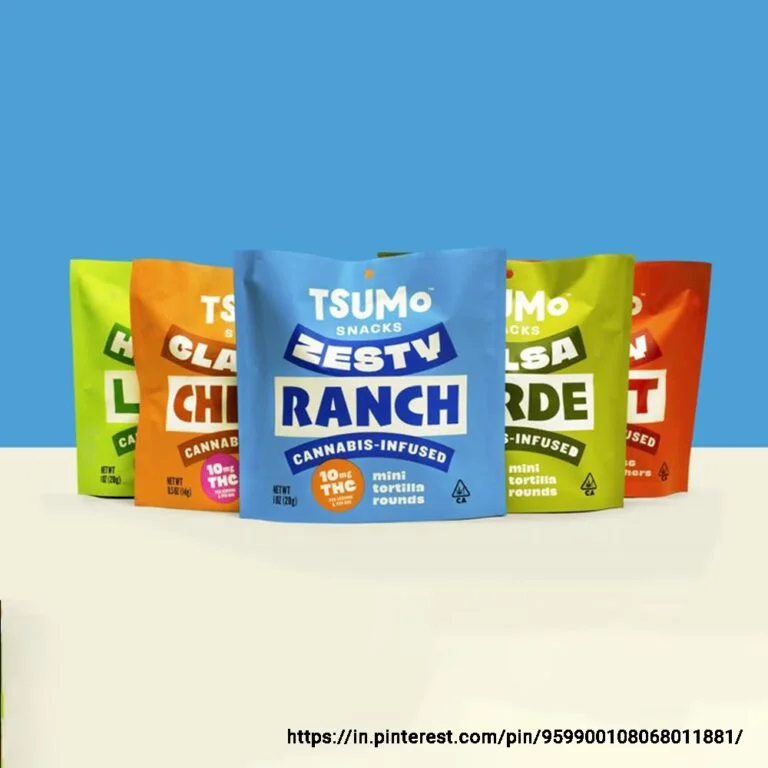
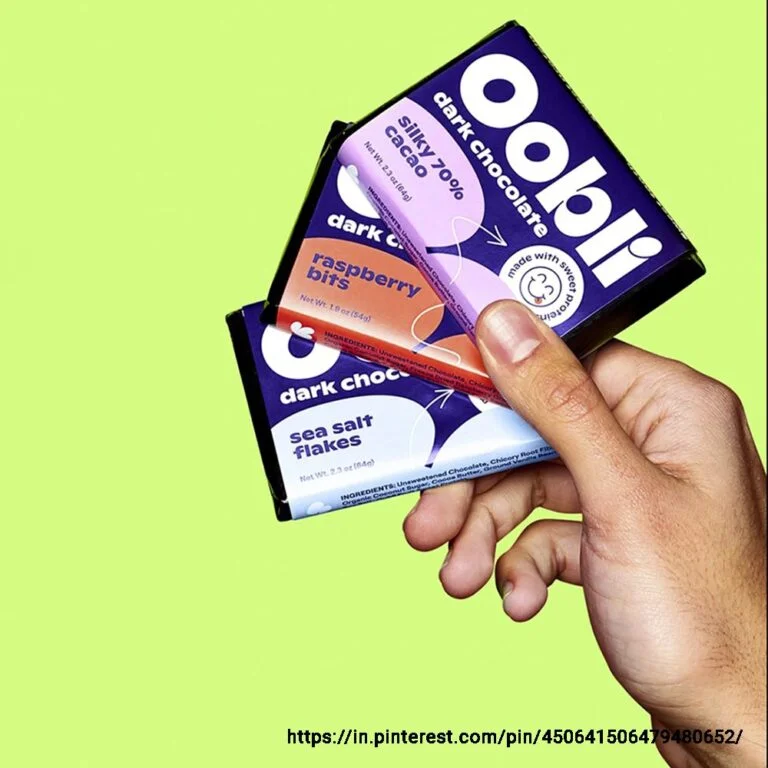
Designing a food pouch design transcends beyond aesthetics. It demands thorough research, planning, and maintaining the balance between aesthetics and function. Here's the complete process of creating a creative and effective food product packaging design:
The first step in designing food packaging is thorough research. Here, the market, audience, and competitors' information are gathered. Comprehensive research and the use of all information are crucial in determining the success of your packaging design.
Market research gives you an idea about the opportunities and risks – what works in the market and what is outrightly rejected by customers. It also helps you find the market gap, which you can utilise to reach a new audience segment (not targeted by your competitors until now).
Competitor research can help you find and highlight your own unique differentiating factor. This, in turn, can help you stand out on cluttered store shelves.
So, this research phase lays the foundation for the entire process, gathering essential insights to guide every design decision for your food products.
Once all the necessary data are gathered, the next stage is ideation and design implementation. This is where you or your food and beverage packaging design agency brainstorms design concepts that align with your brand identity and vision, and create a packaging design.
- Design Goals: Whether you aim for luxury, minimalistic, bold, or fun designs, this clarifies the design direction to go forward with.
- Actual Design: The design, along with crucial brand communication elements like logo, typography, graphics, and colour palette, are finalised. Layout, information hierarchy, and white space are also considered.
If you are availing food packaging design services, your agency will share its design ideas and direction with you for feedback at this stage.
After the design phase, prototyping brings your food package design into a tangible form. This phase identifies potential practical issues that can affect the performance of your design and ensures the packaging works effectively in real-world scenarios.
- Physical Form: Does your packaging complement the key line drawing (KLD)? Does it show the design clearly, or does it disturb it?
- Aesthetics: How does your packaging design for food products look when placed on a shelf? Does it blend with the competitive world or stand out?
Testing design with real target customers is also important, since it gives you an idea of how consumers will respond to the packaging design.
The final design is ready after multiple design, prototyping, and testing rounds. It is now time to do a final check before printing.
- Complementing Your Brand Identity: The design is reviewed one final time to ensure it aligns with your brand values and personality. Whether the direction is fun or luxurious, the packaging must communicate it effectively.
- Uniformity Across All Products: If you have multiple product variations or a complete product line, the design must remain consistent across all products. Consistency strengthens brand recognition and builds consumer trust and loyalty.
- Print and Production: The packaging is prepared for mass production, ensuring the printing process delivers the approved colour palette, finishes, and overall design accurately.
Why You Should Get Help With Your Food Packaging Design
There are multiple reasons why you may need professional assistance for your food package design. Firstly, as a food manufacturing business, it can be quite challenging for you to handle everything on your own. There is just so much to take care of, like raw material sourcing, inventory & supply chain management, process management, quality control, and food safety & compliance. Working with a Food branding agency and packaging specialists can considerably reduce your workload, stress and time.
Moreover, while creativity is important for packaging design, it alone cannot do the magic. It needs to be combined with a research-based strategy. A professional food packaging design agency with a group of skilled and experienced professionals can help you do just that. It can help you create innovative food package designs based on market research, consumer psychology, and design strategy. Additionally, it can help you come up with fresh concepts for your new brand or redesign the packaging design of your existing food products so that they look fantastic on screen and work well on the shelves.
To put it succinctly, a food packaging design company will make sure that your packaging is more than simply a box, packet, pouch or sachet. It will ensure that your food product packaging design is captivating and unique – something that effectively conveys your brand story, resonates with your target audience and yields conversions and profits.
Ready to create packaging that sells? Let's talk.
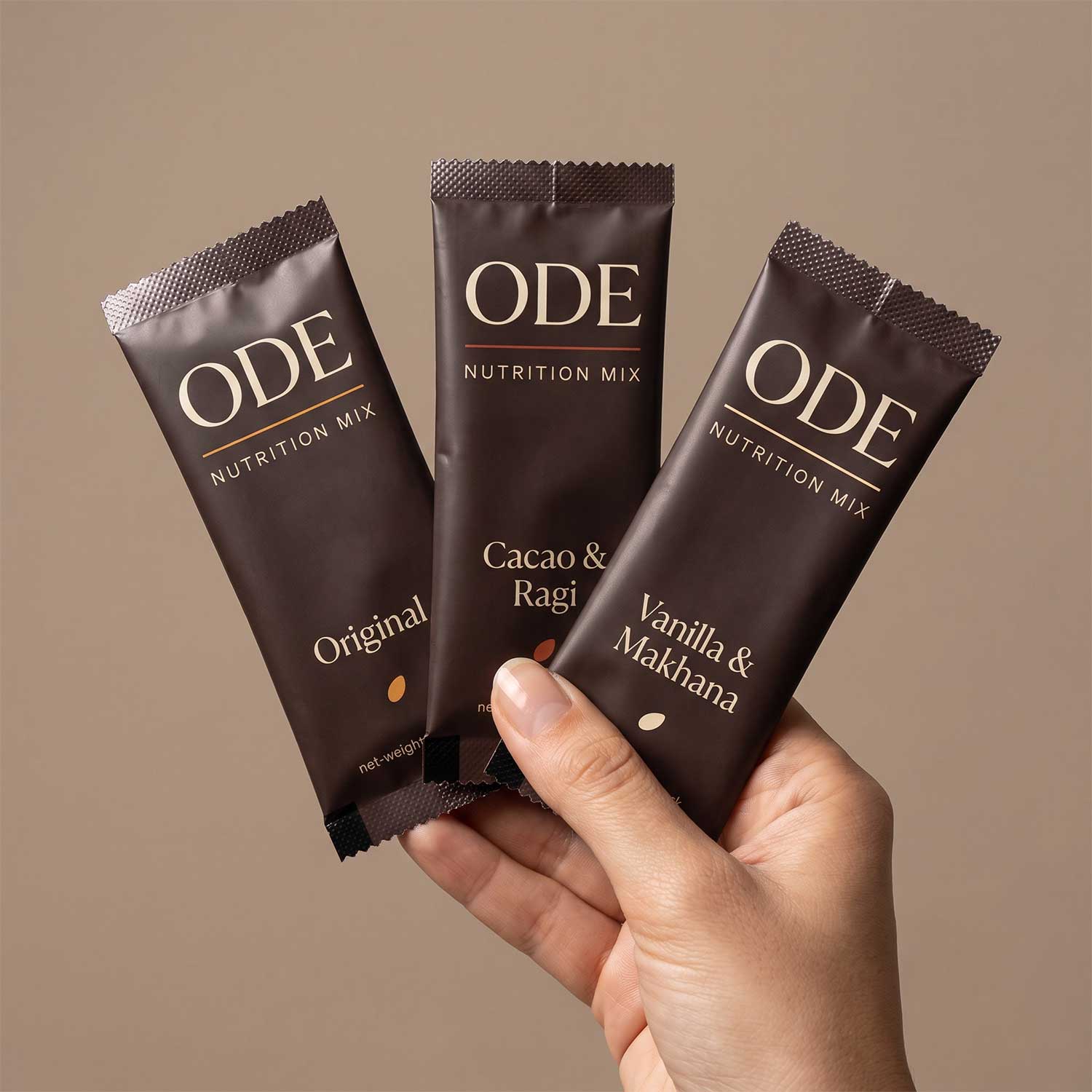
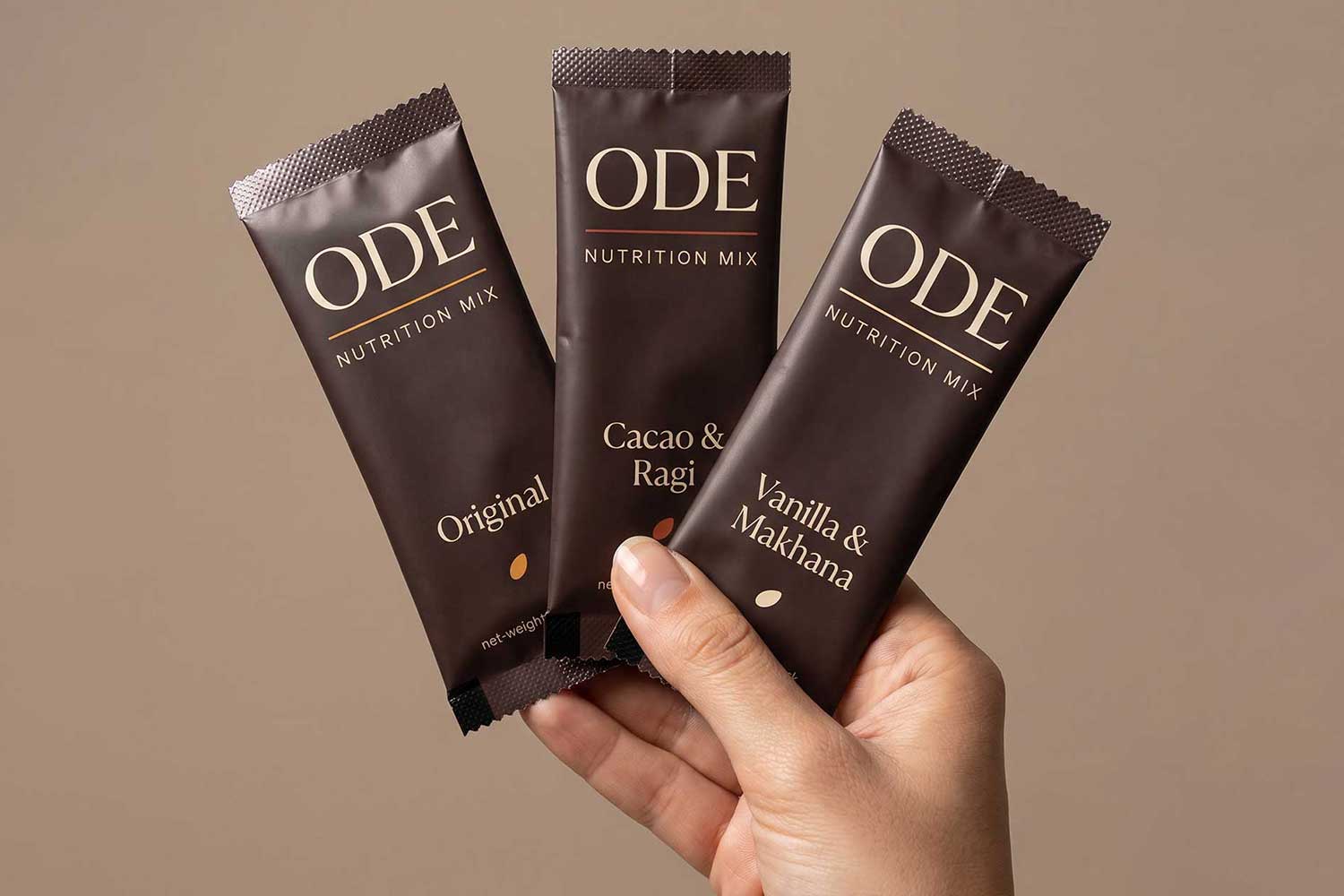
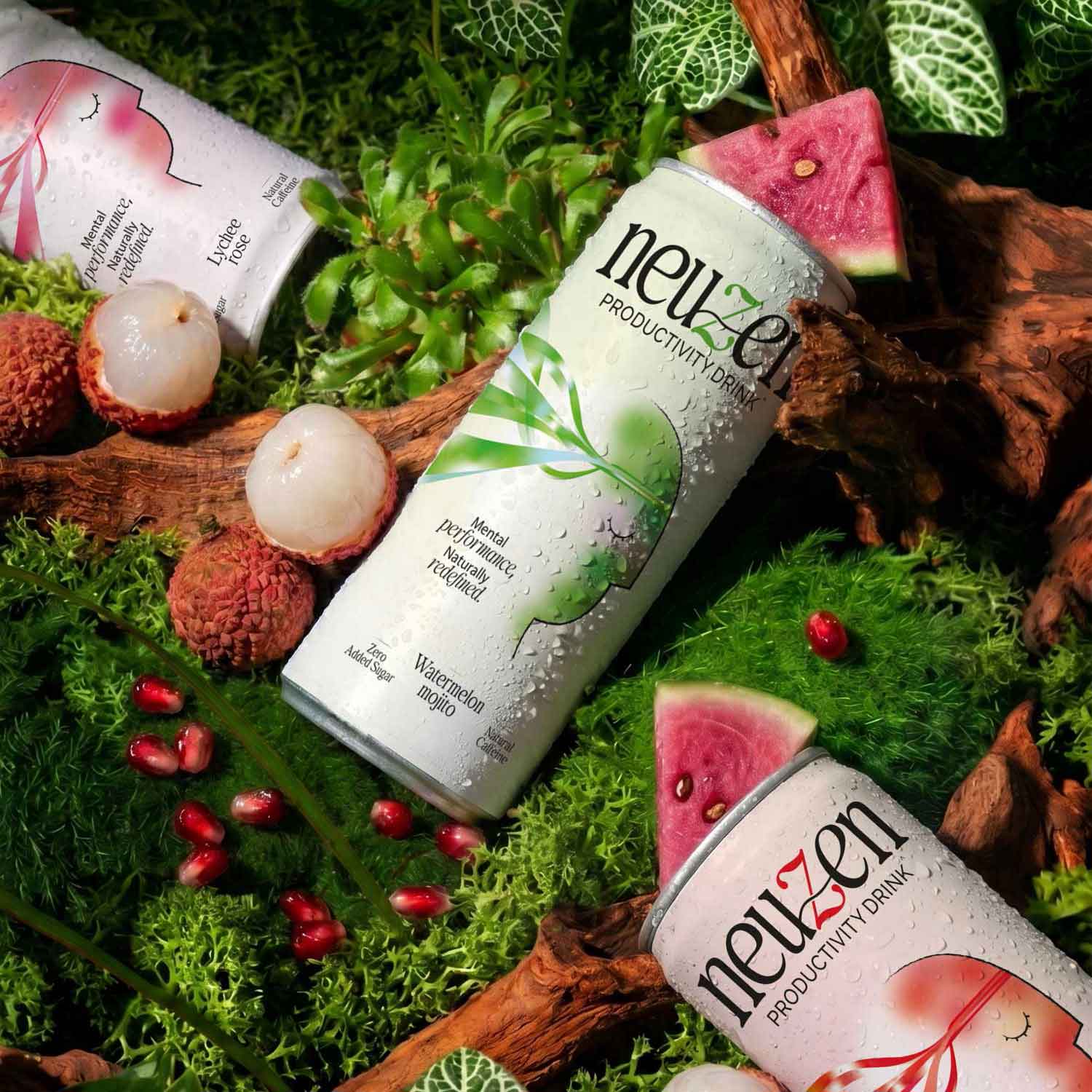
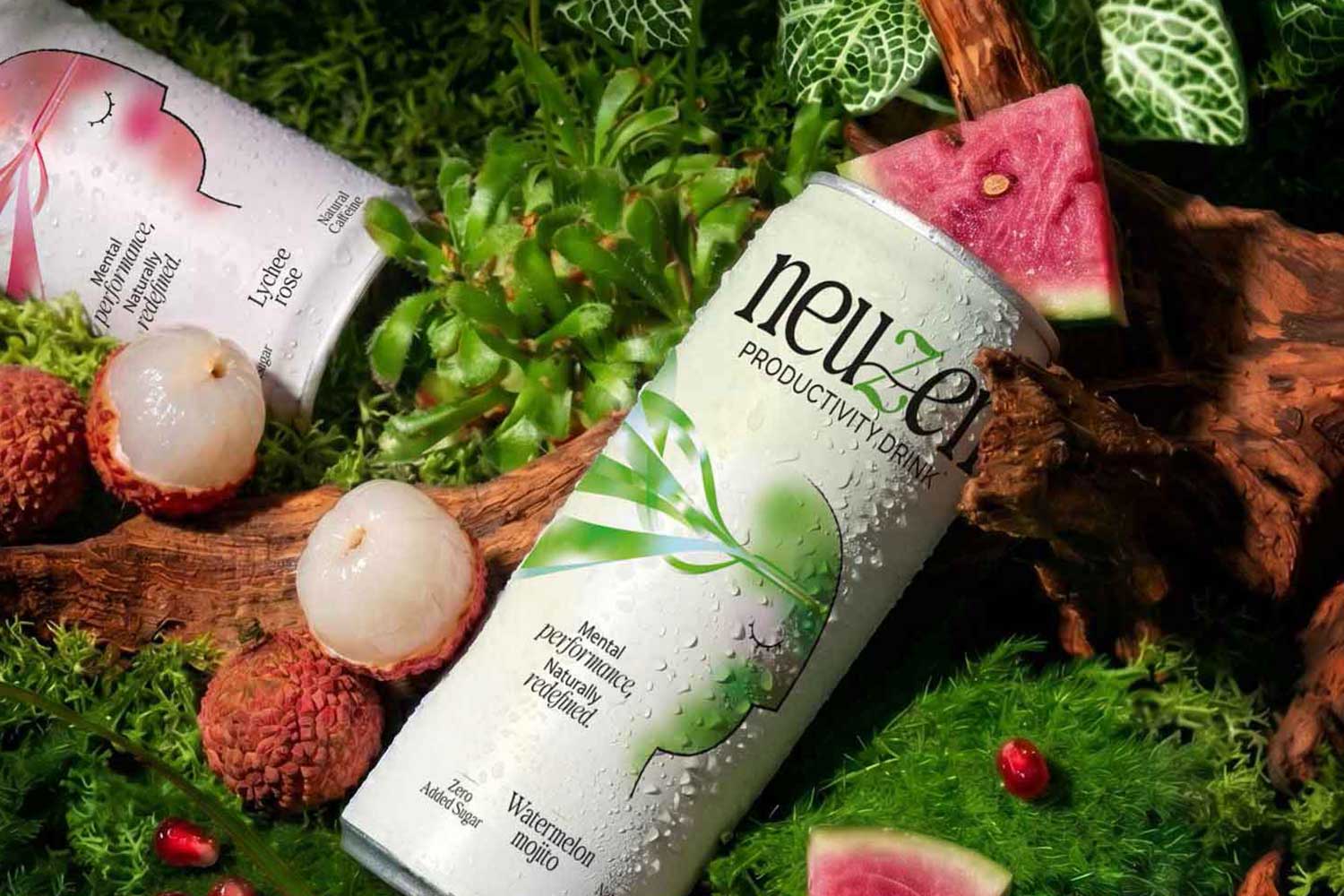
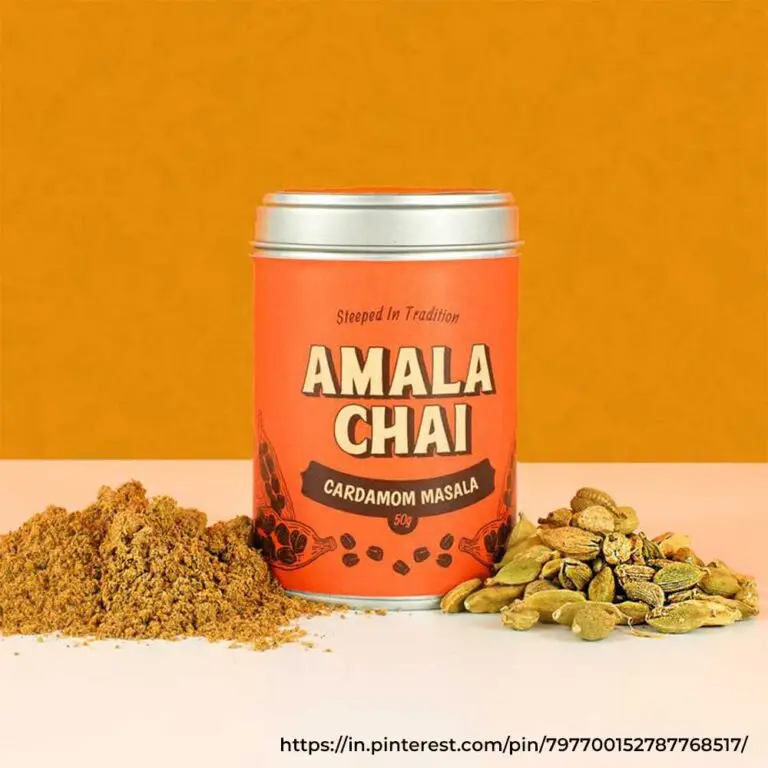
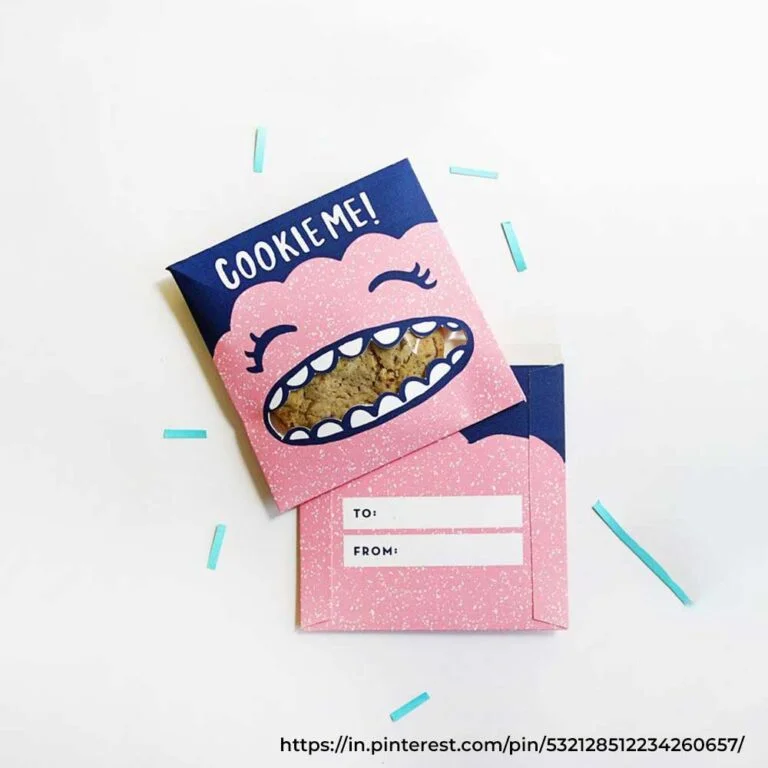
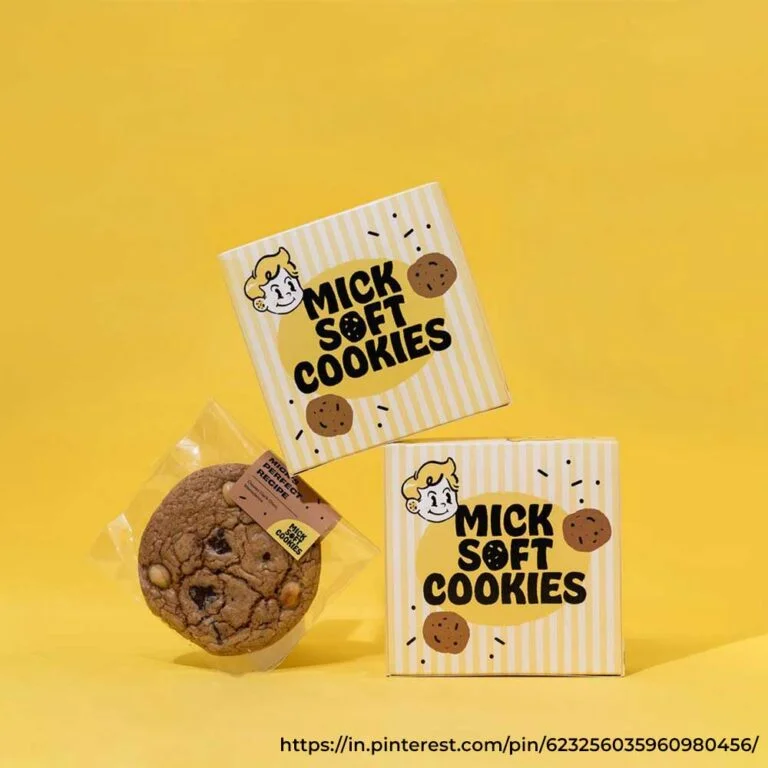
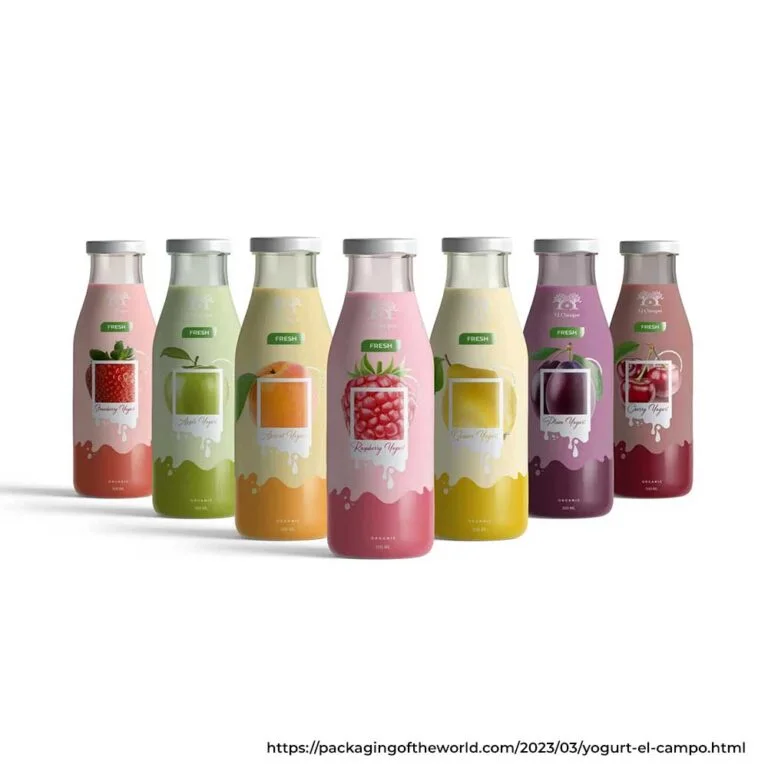
Start a ProjectSelected Food Packaging Design From Our Portfolio
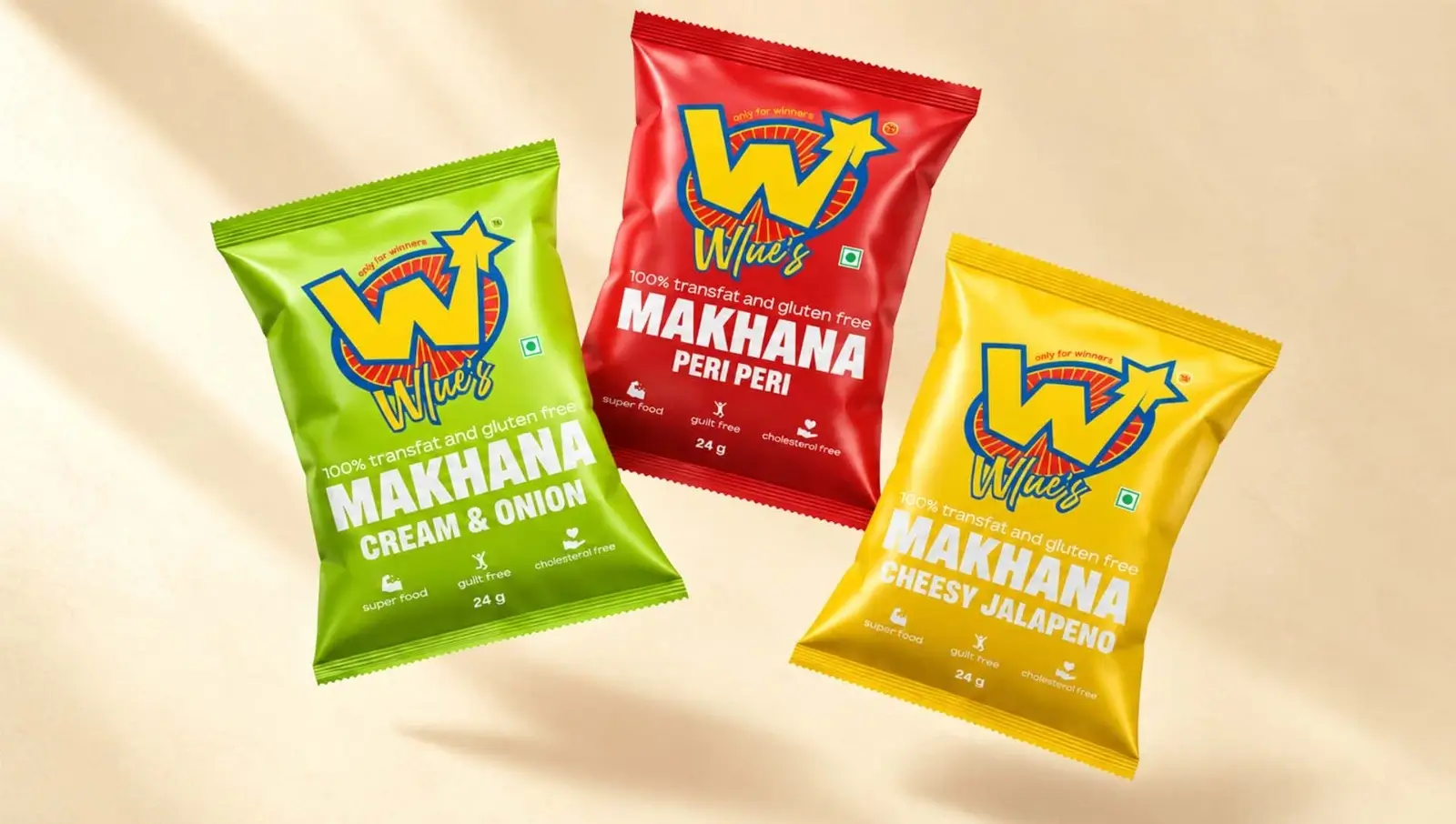
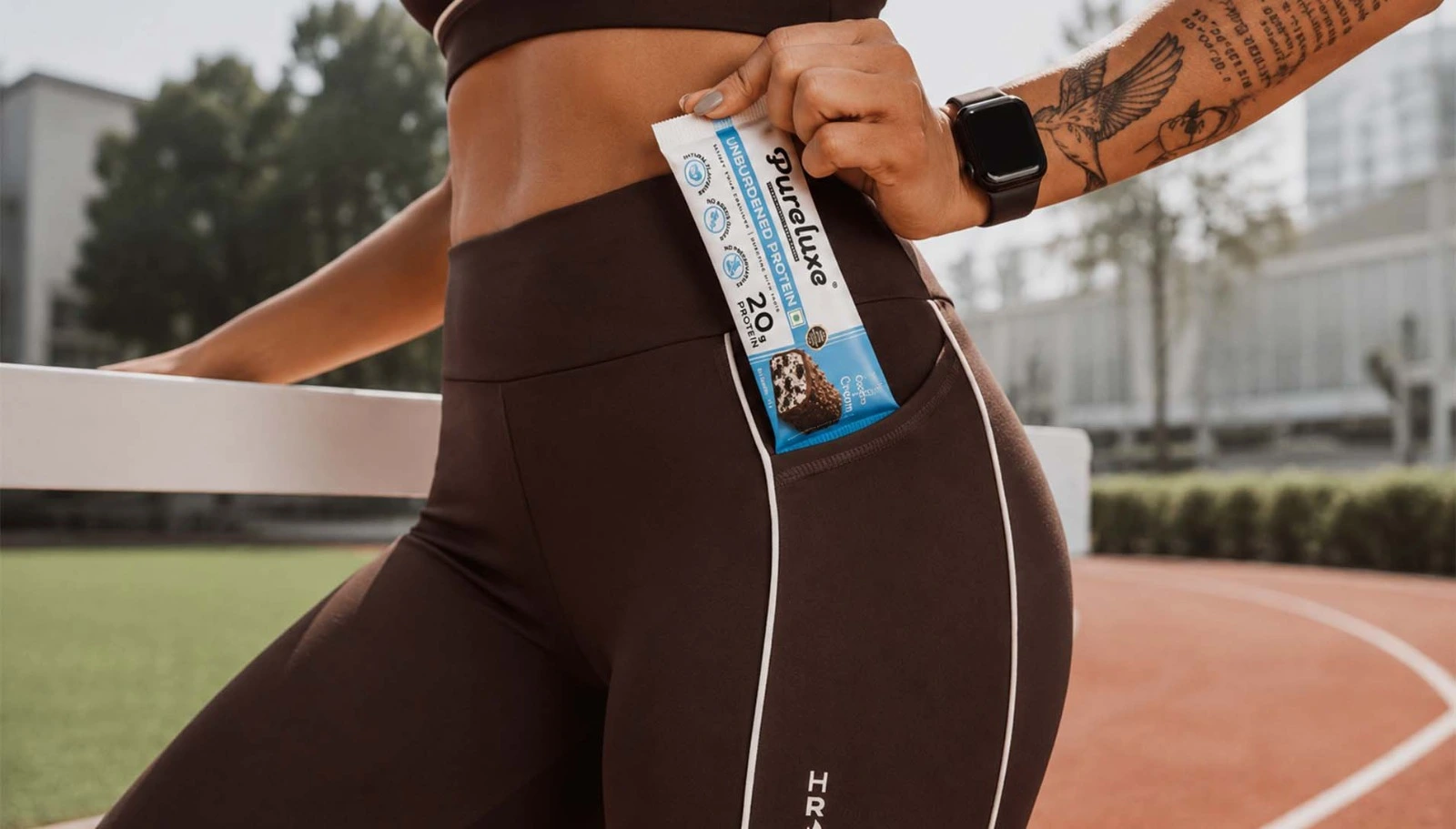
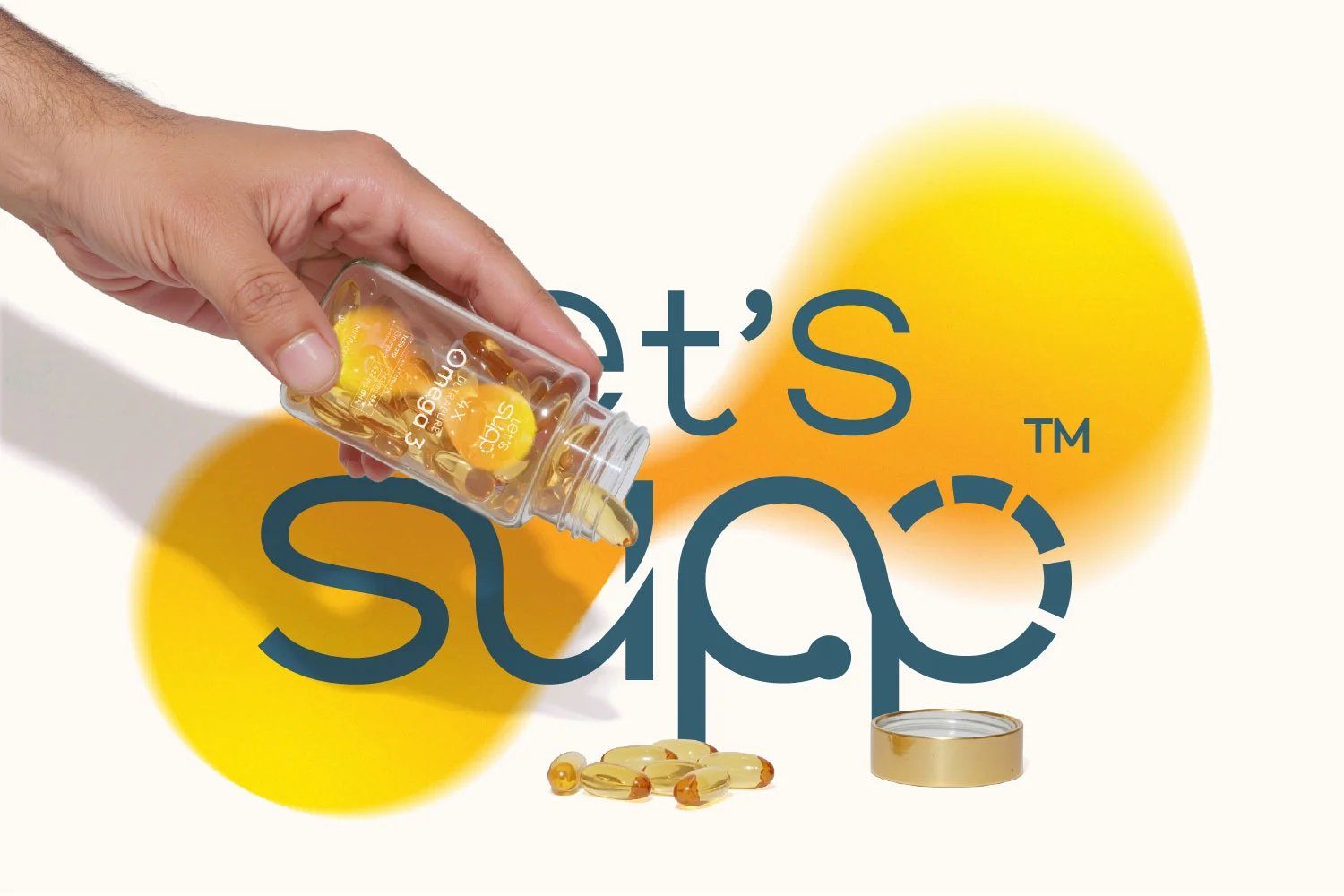
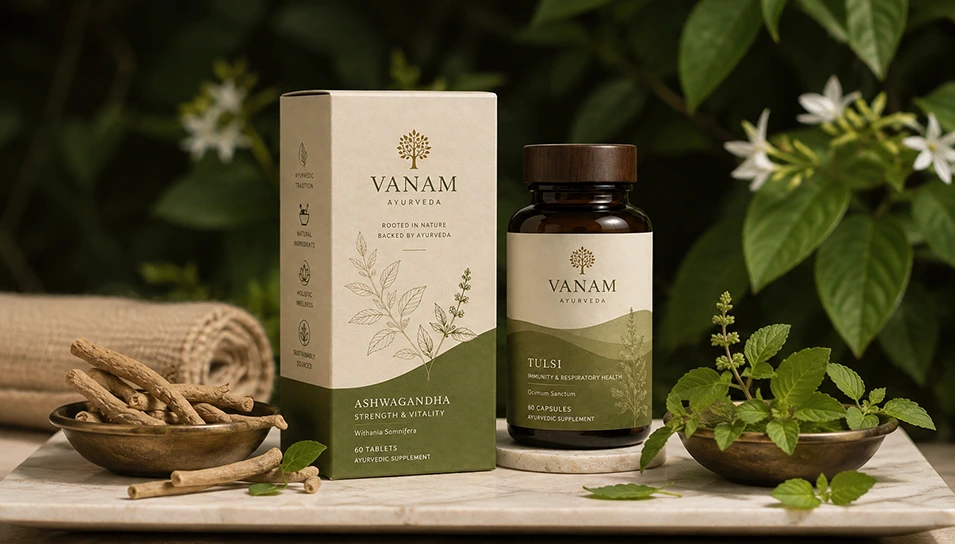
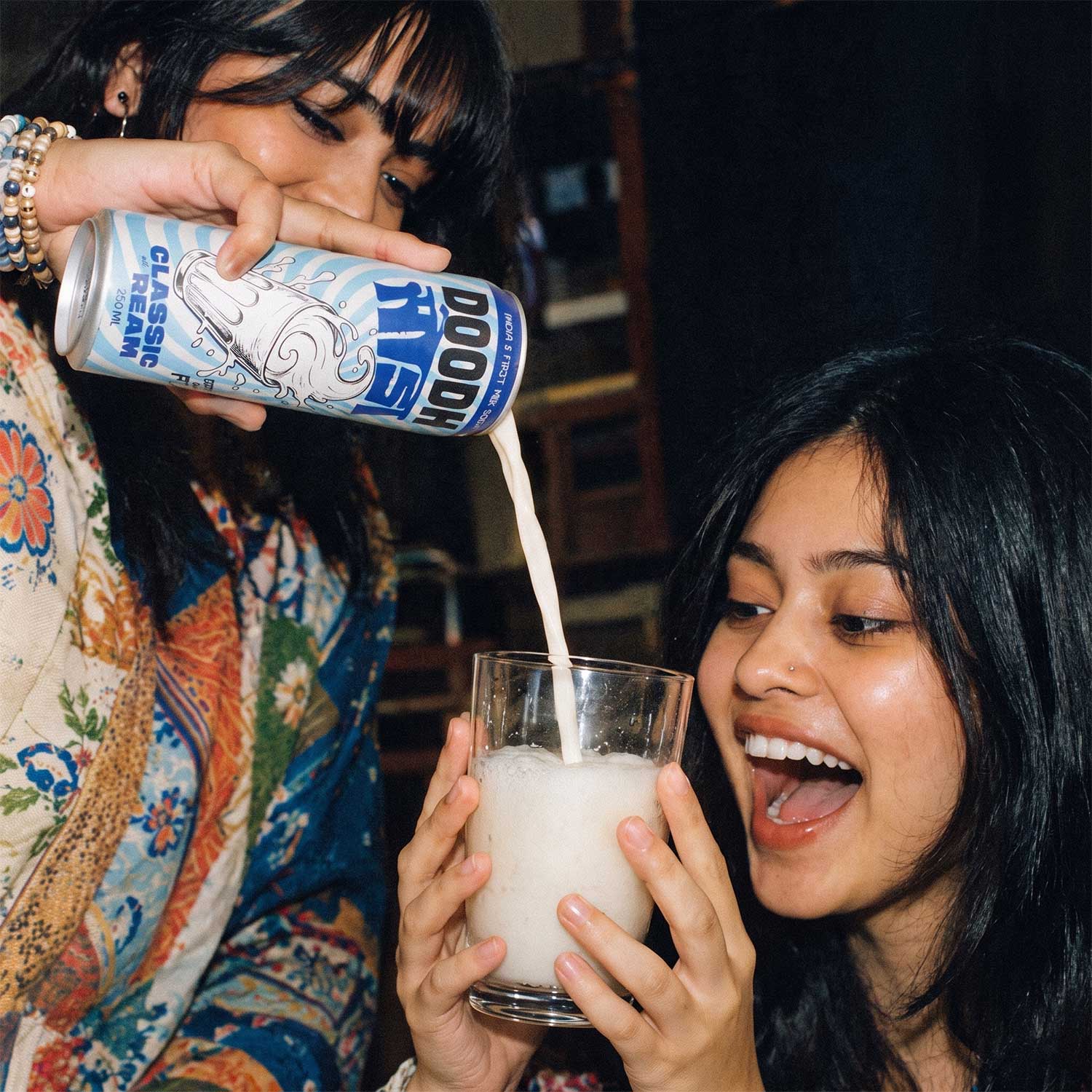
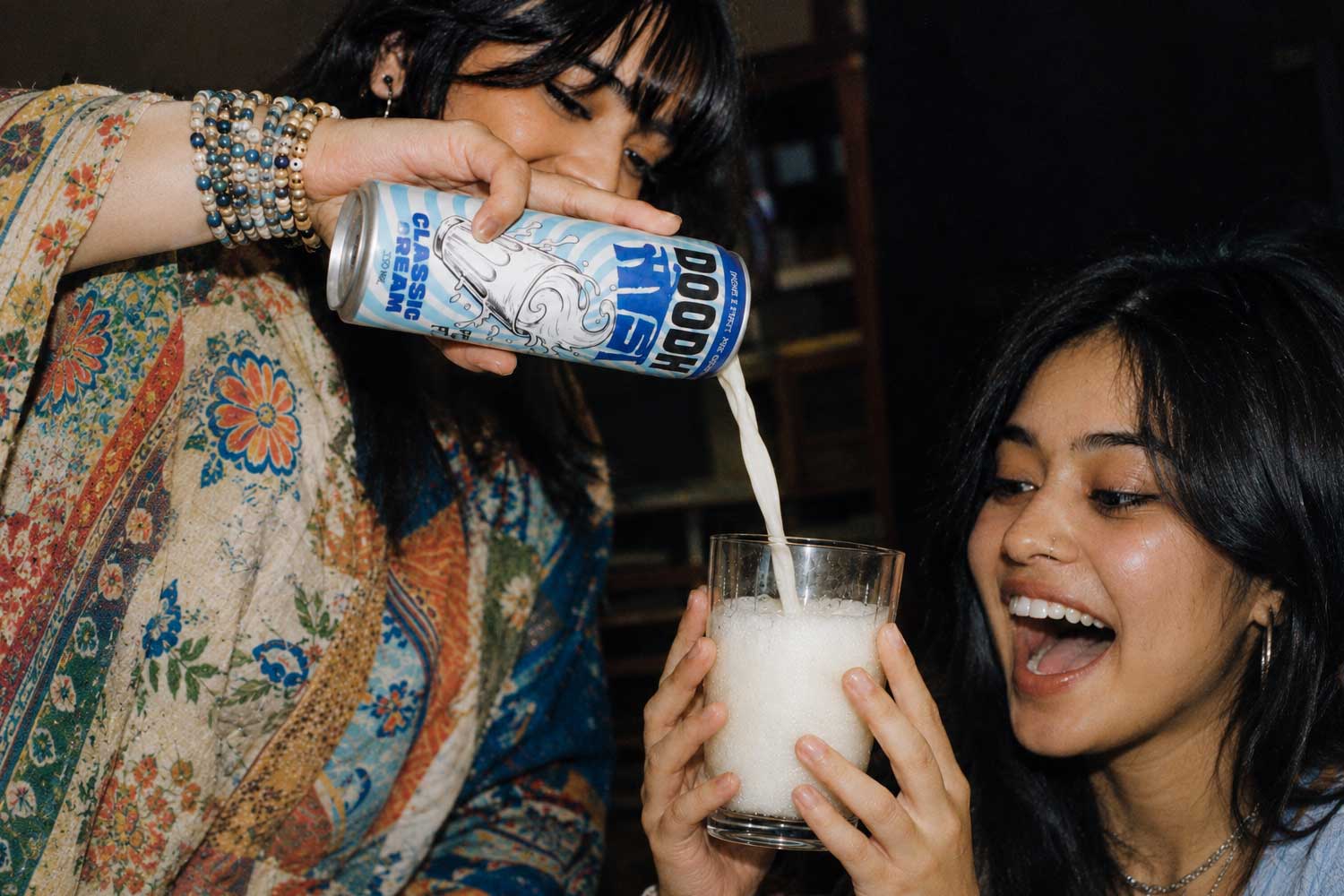
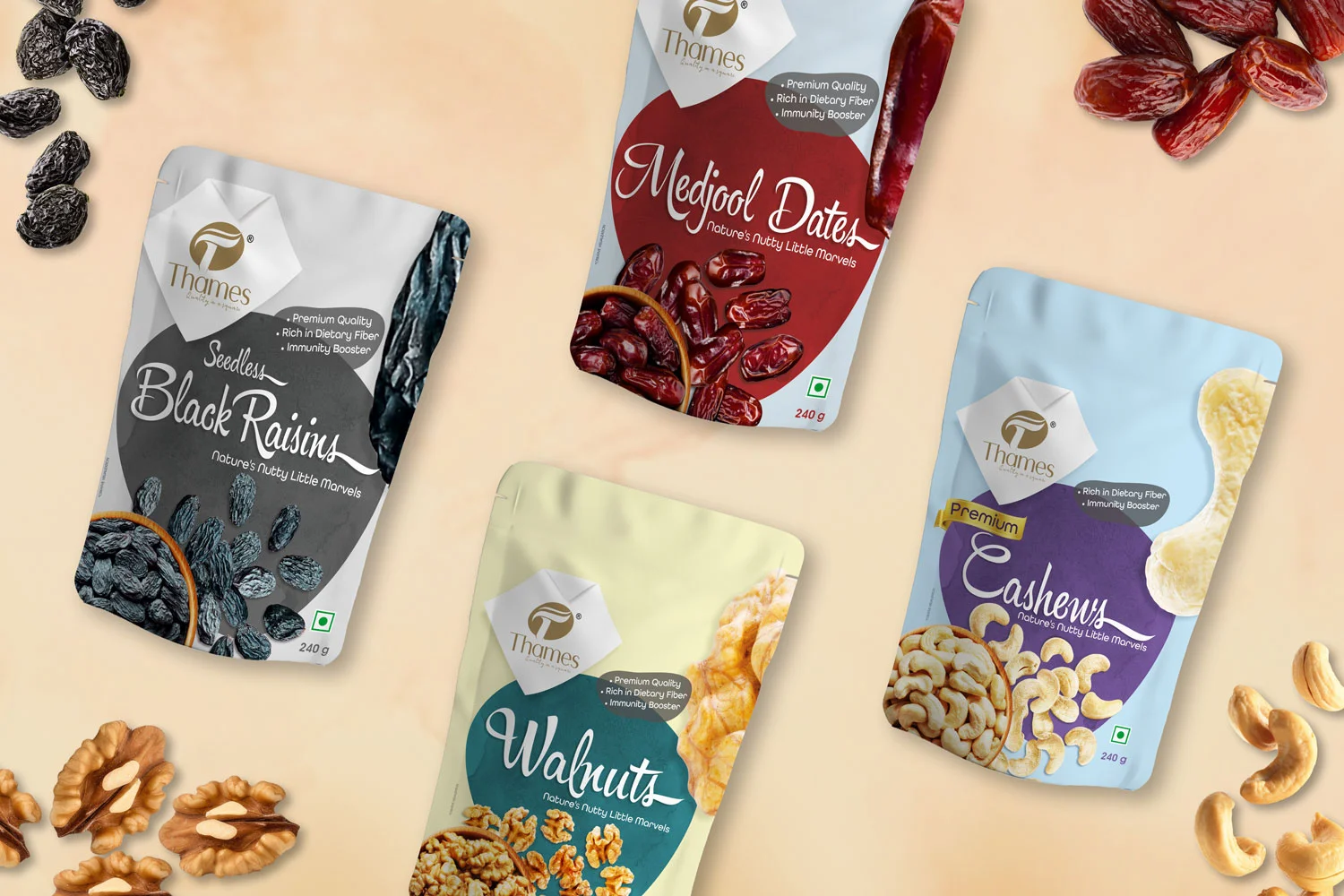
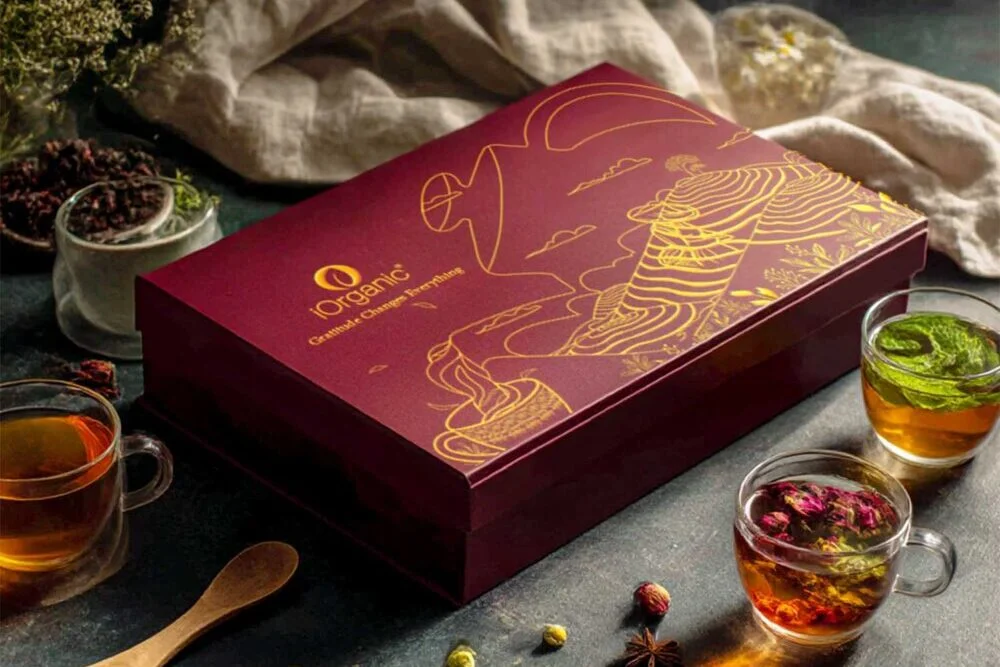
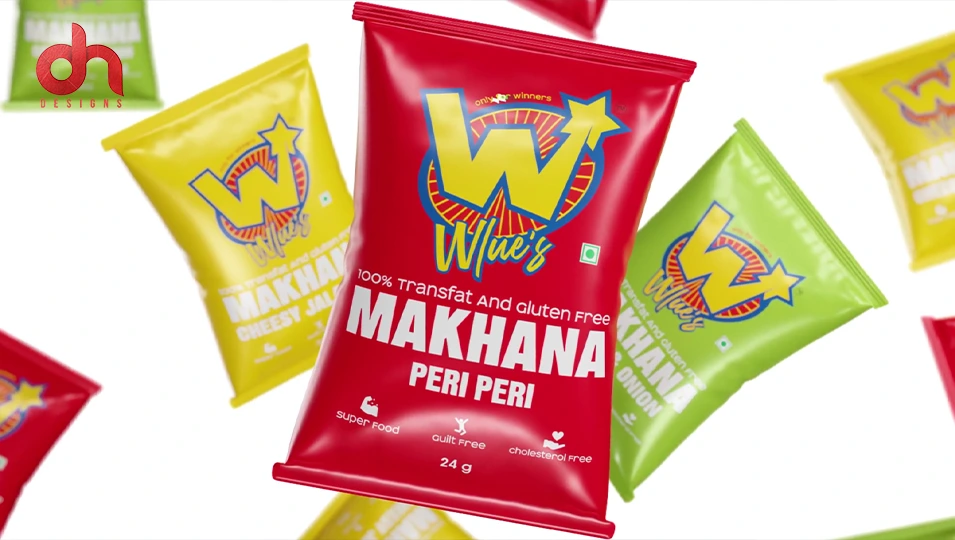
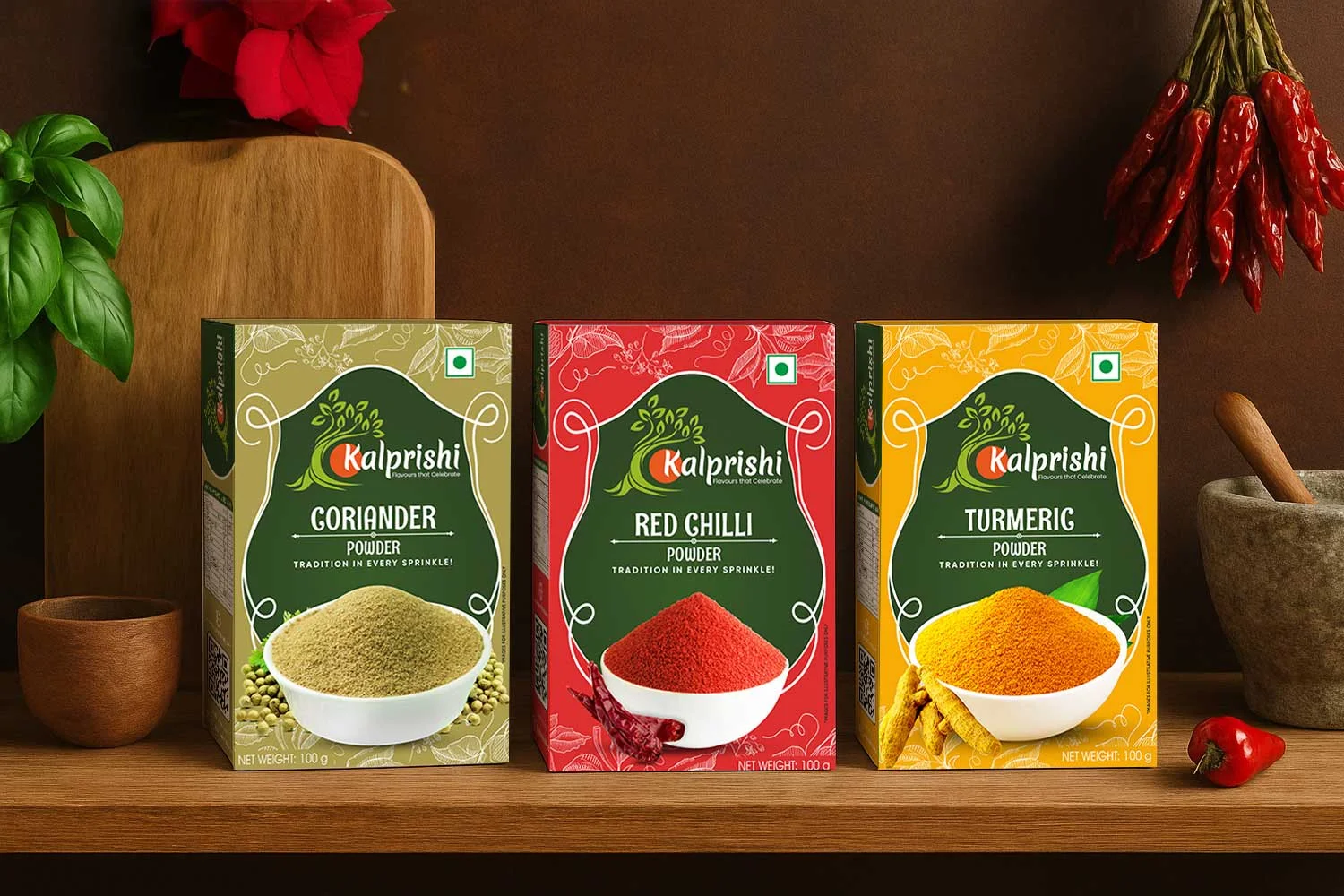
A cross-section of food packaging projects we've delivered — spanning FMCG, snacking, spices, and functional food.
.webp)
More Than a Design Agency — We Create Packaging That Sells
Now you understand the value and benefits of hiring a packaging design agency, the question is obvious. Which company should you choose for your food products? With so many options available, making the right decision can feel overwhelming.
Without overstating it, we can confidently say that we are among the leading food packaging design companies in India. If you are looking for innovative and effective packaging solutions, we are here to help. Our approach goes beyond aesthetics. We design packaging that stands out on crowded shelves, captures attention, and influences buying decisions.
Whether you need premium packaging for a new launch, a redesign for an existing product, or packaging for multiple SKU variations, we create custom solutions tailored to your brand. The focus remains simple. Packaging that not only looks good but also drives real sales impact.
Your Food Brand's Best Salesperson Is Its Packaging.
Let's build packaging that earns its place on every shelf.